The Antwerp Six and the legacy of avant-garde fashion
Fashion is not only shaped by trends, materials, and products.
It is also shaped by places, communities, cultural movements, and creative visions that redefine the way we imagine clothing.
During our international trend research journey, Antwerp confirmed once again its role as one of the most influential creative capitals in Europe: a city where experimentation, individuality, and conceptual thinking continue to shape the future of fashion.
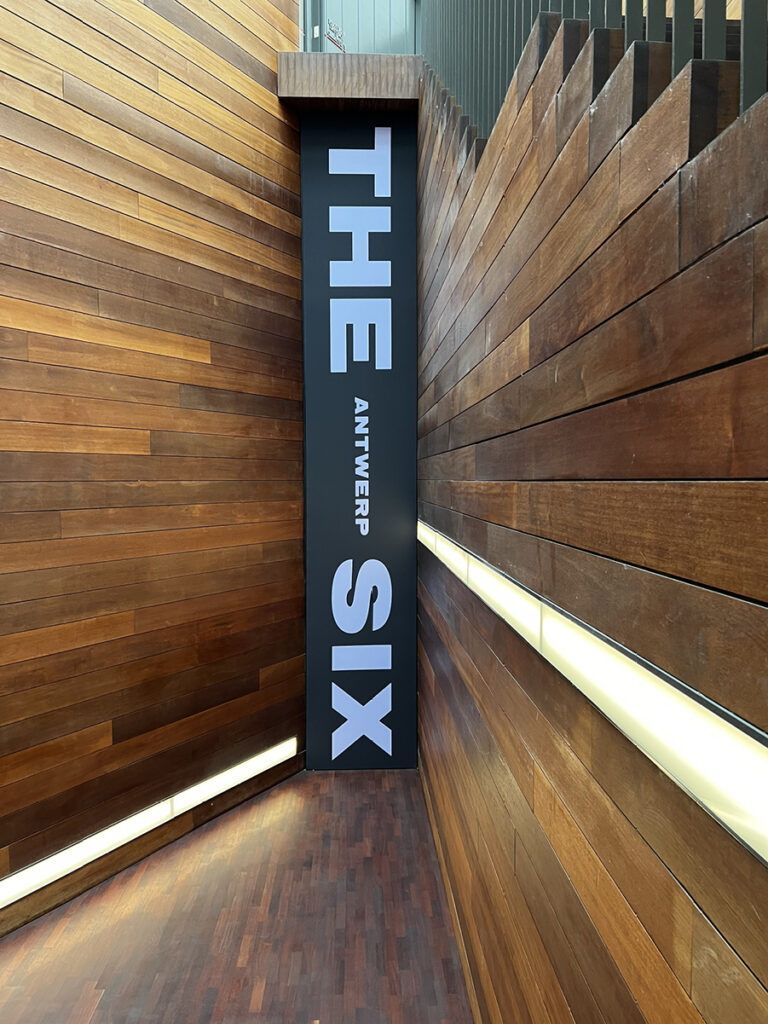
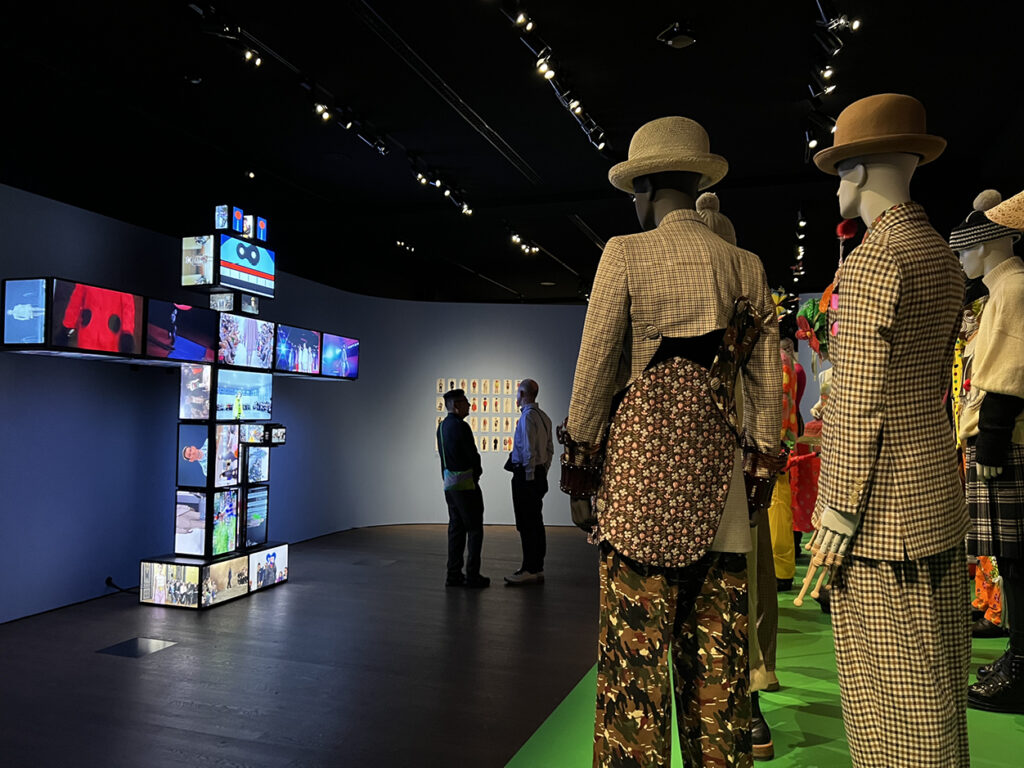
Our visit to the exhibition dedicated to The Antwerp Six, celebrating 40 years since their revolutionary presentation in London, offered the opportunity to rediscover the story of six designers who changed the perception of Belgian fashion worldwide and transformed Antwerp into a global reference point for avant-garde design.
The Antwerp Six: when a city changed the fashion map
Before the 1980s, Belgium was not considered a major player in the international fashion scene.
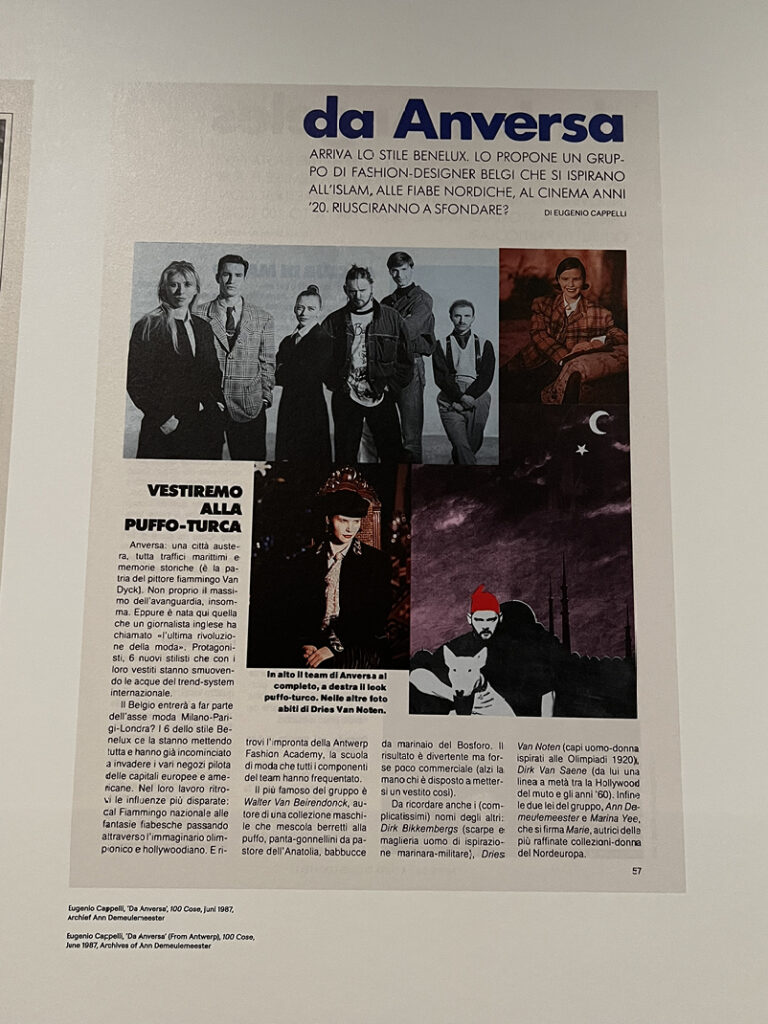
Everything changed when six young designers from the Royal Academy of Fine Arts Antwerp presented their collections during the London Fashion Week in 1986.
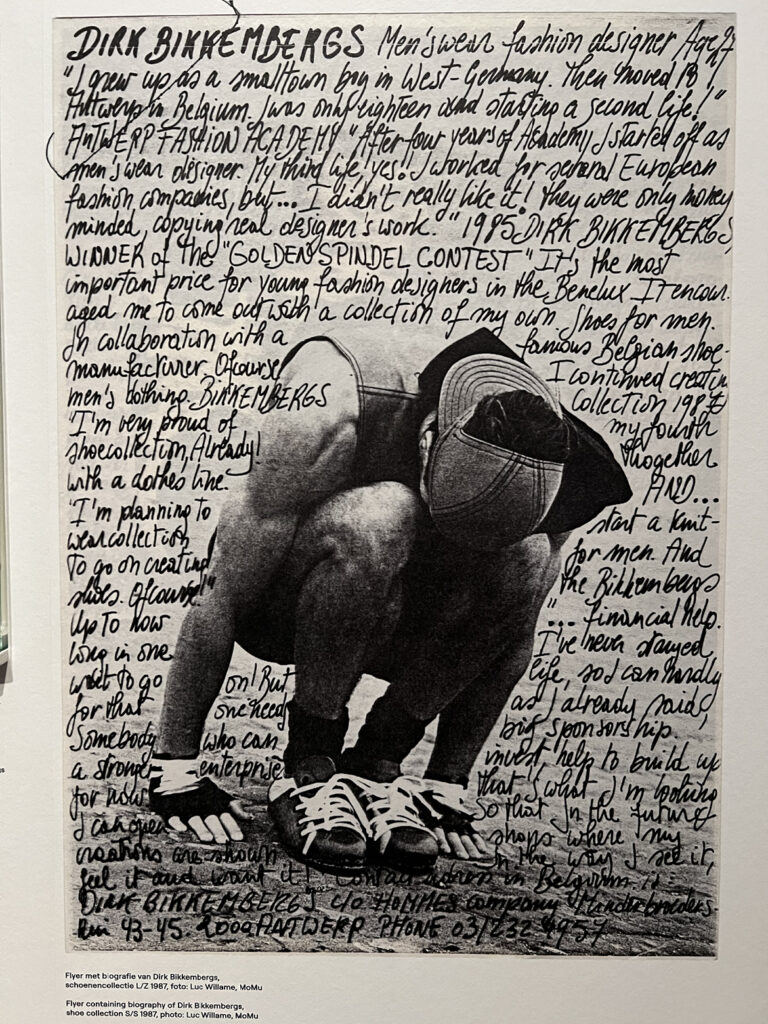
The group, Ann Demeulemeester, Dries Van Noten, Walter Van Beirendonck, Dirk Bikkembergs, Dirk Van Saene and Marina Yee, introduced a completely different approach to fashion.
Their vision was not based on traditional luxury codes or commercial aesthetics, but on: conceptual design, strong personal identity, artistic expression, experimentation with silhouettes and materials, storytelling through garments.
Their work demonstrated that fashion could be a cultural statement, not only a product.
The difficulty of pronouncing their city of origin became part of their story, but their creativity quickly made Antwerp internationally recognizable
Fashion as a complete visual language
One of the most fascinating aspects of the exhibition was understanding that their innovation was not limited to clothing.
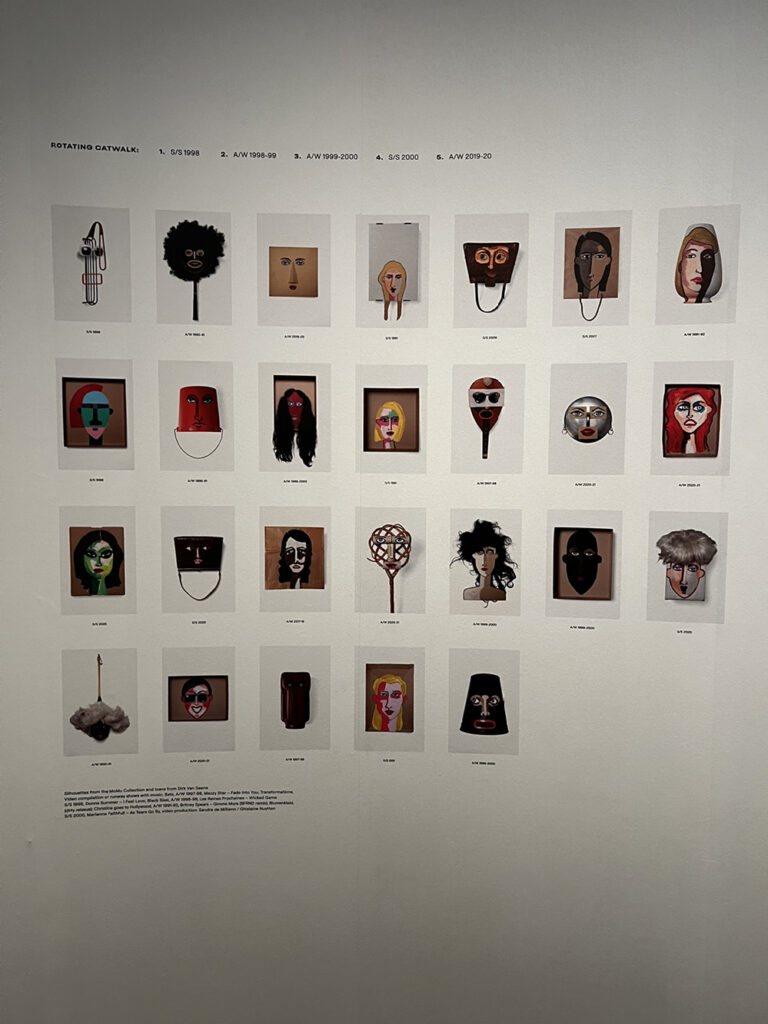
The Antwerp Six created complete worlds around their brands: the collections, the communication, the visual identity, the runway invitations, and the presentation formats were all expressions of a precise creative universe. Every detail communicated a point of view.
For example, the invitation itself became part of the experience: a physical object carrying the designer’s philosophy before the audience even saw the collection. This approach is still extremely relevant today, as fashion brands increasingly need to build emotional connections and recognizable identities in a highly competitive global market.
Archive, heritage, and contemporary evolution
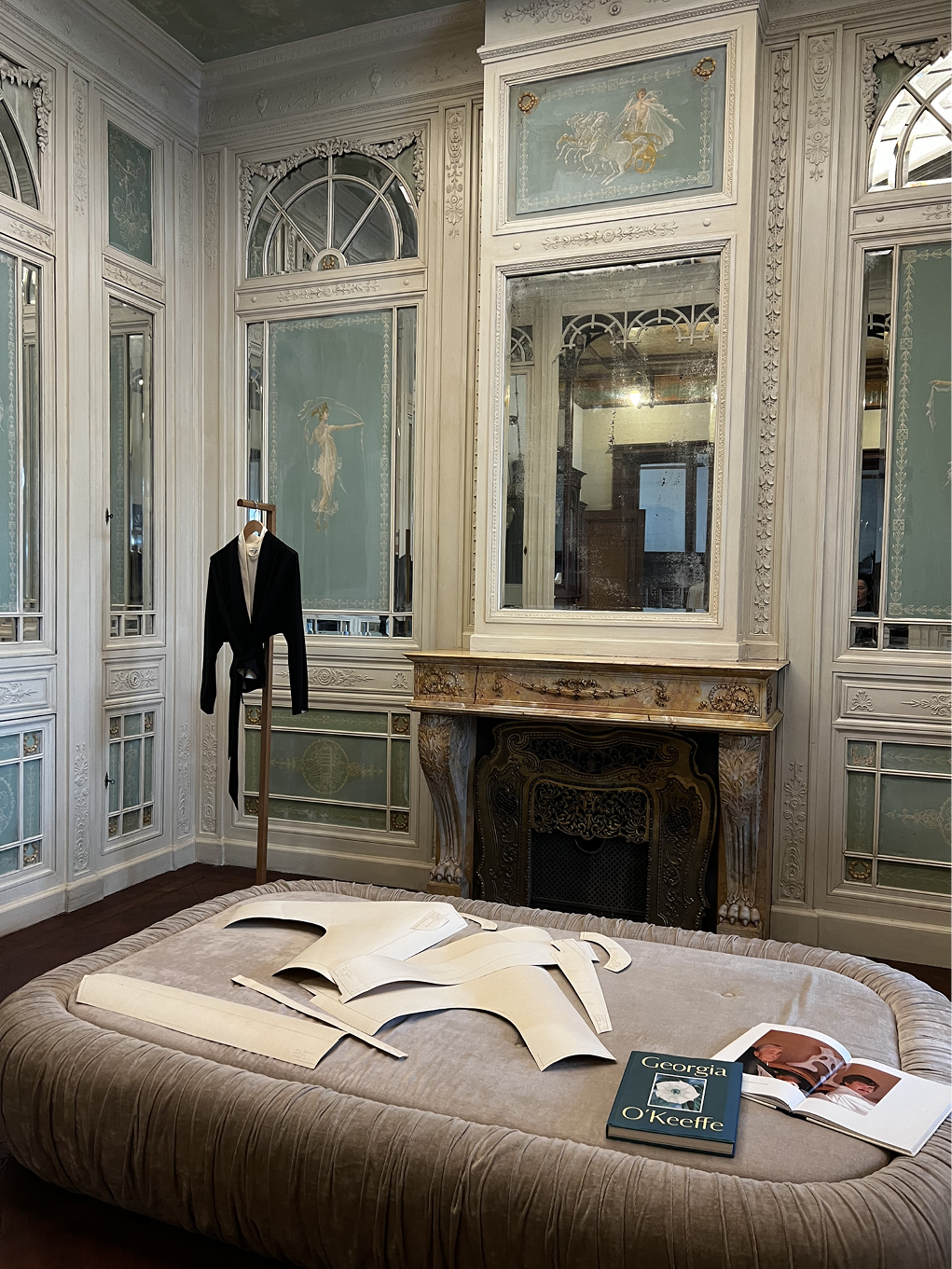
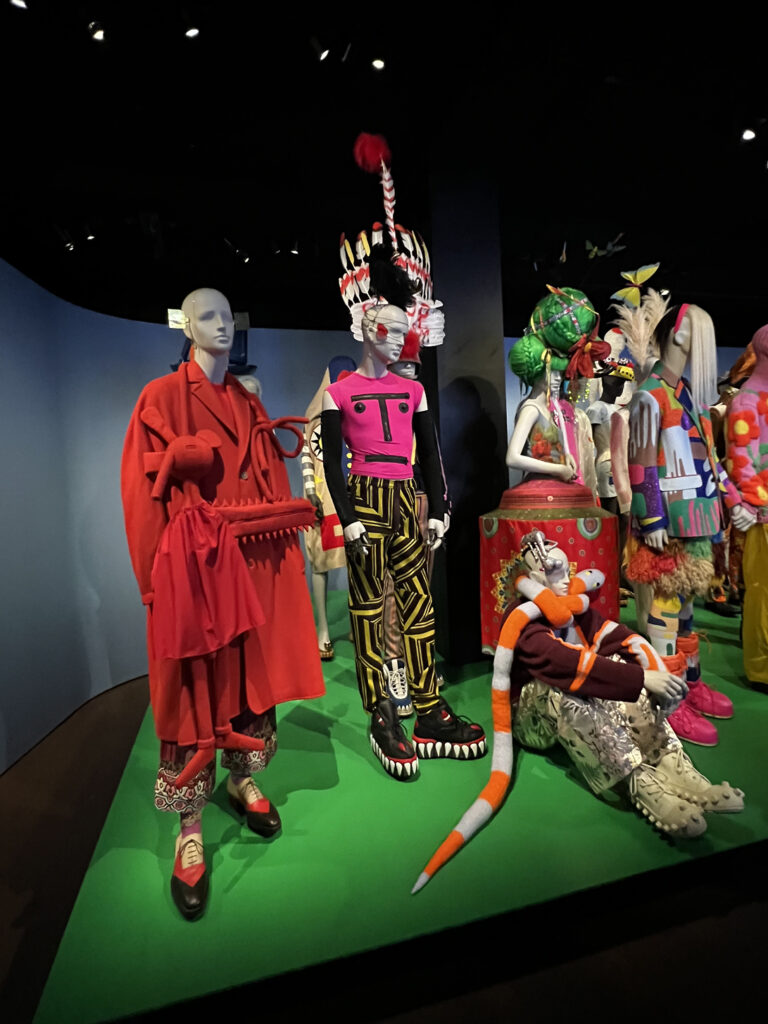
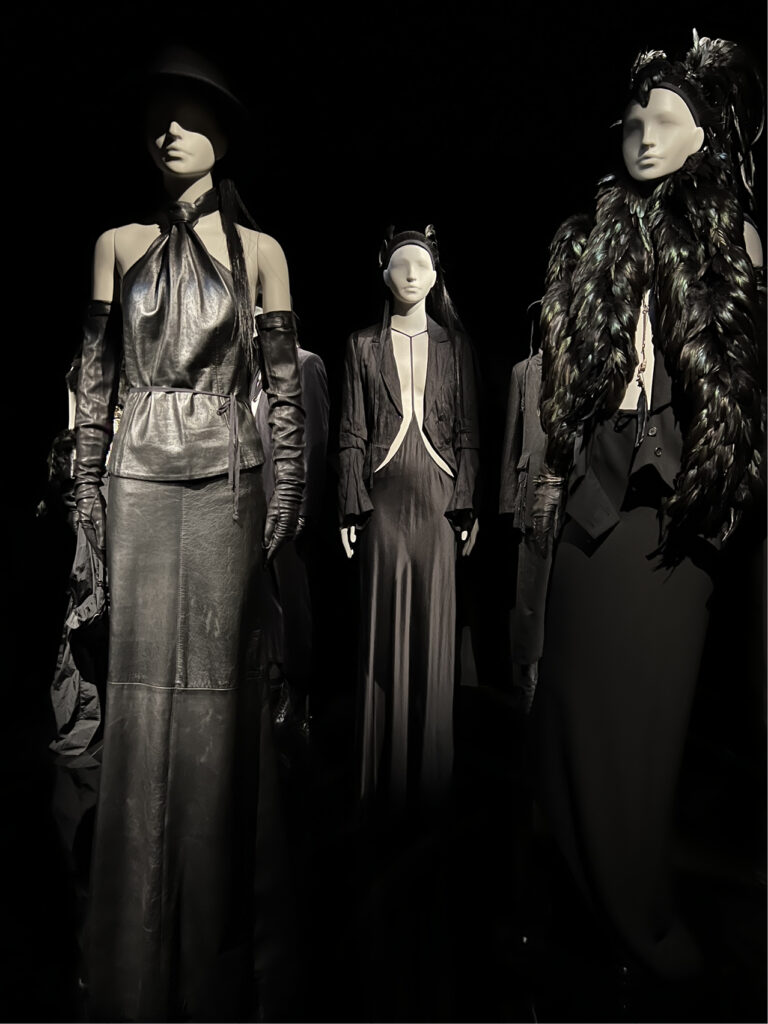
Walking through the exhibition, seeing archival pieces alongside more recent creations, highlighted an important aspect of fashion evolution:
A strong creative identity can transform over time without losing its essence.
Some designers continued their personal journey, evolving their language while maintaining the values that made their work unique.
The archive pieces showed how experimentation with:
- proportions
- fabrics
- construction
- craftsmanship
- unexpected combinations
created a new vocabulary that continues to influence contemporary designers.
Antwerp today: a living laboratory for fashion innovation
The legacy of The Antwerp Six is not only historical.
Today, Antwerp remains one of Europe’s most important destinations for fashion education, emerging designers, and creative research. The Royal Academy of Fine Arts Antwerp continues to attract international talent, becoming a place where young creatives experiment without following conventional rules.
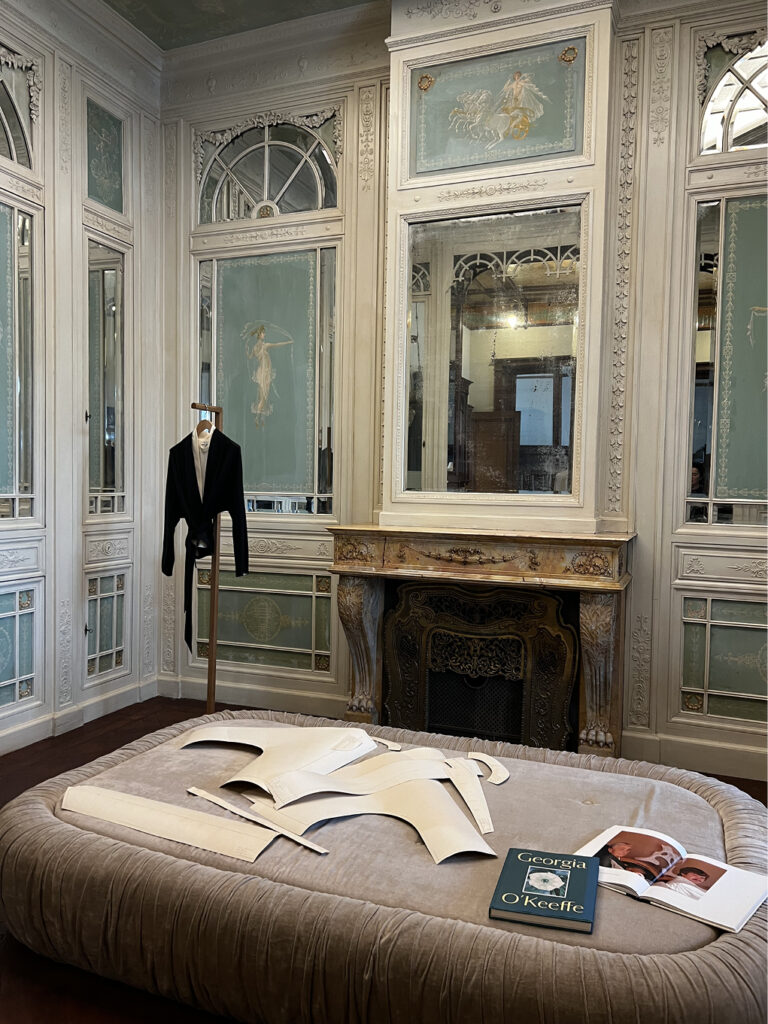
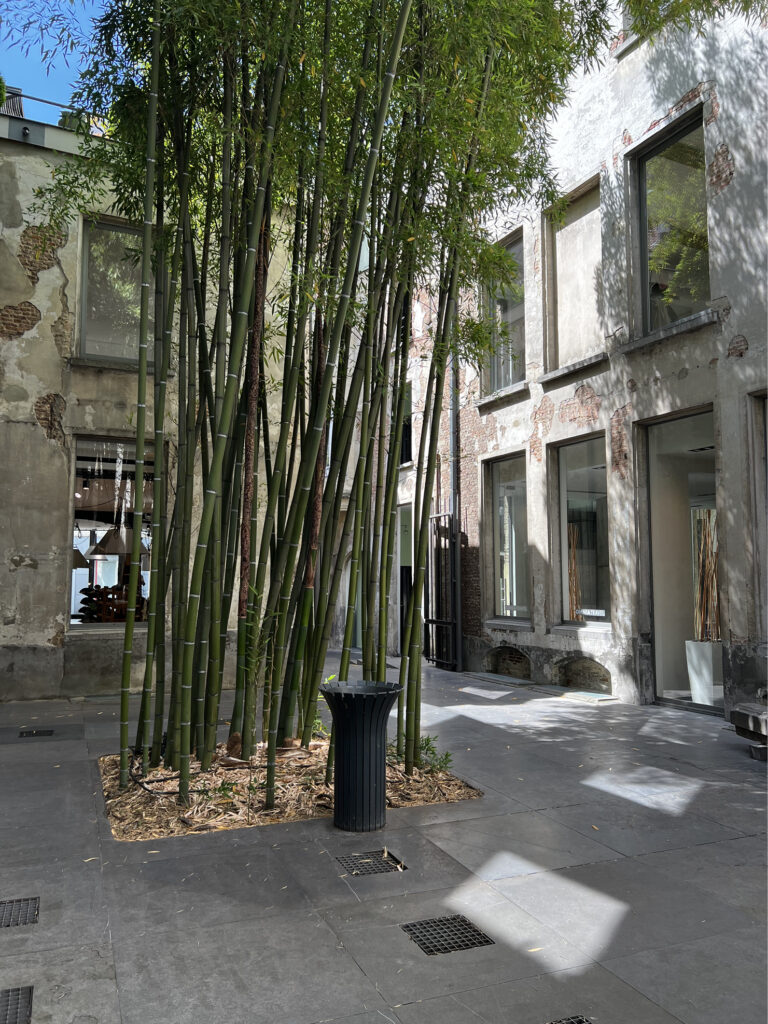
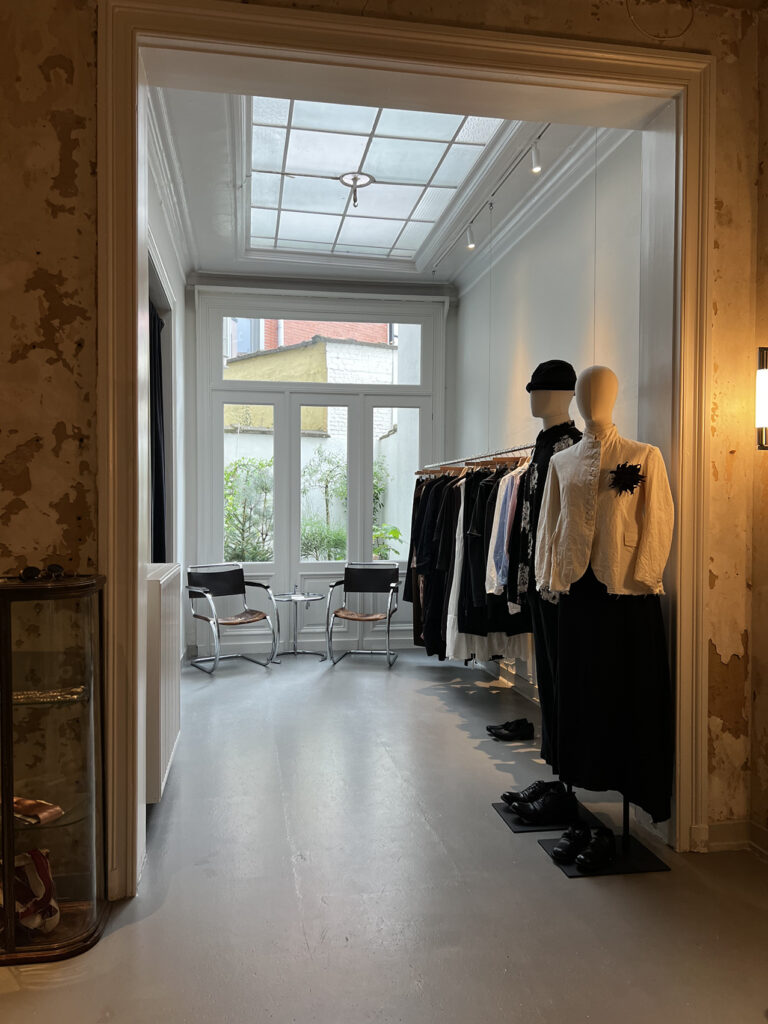
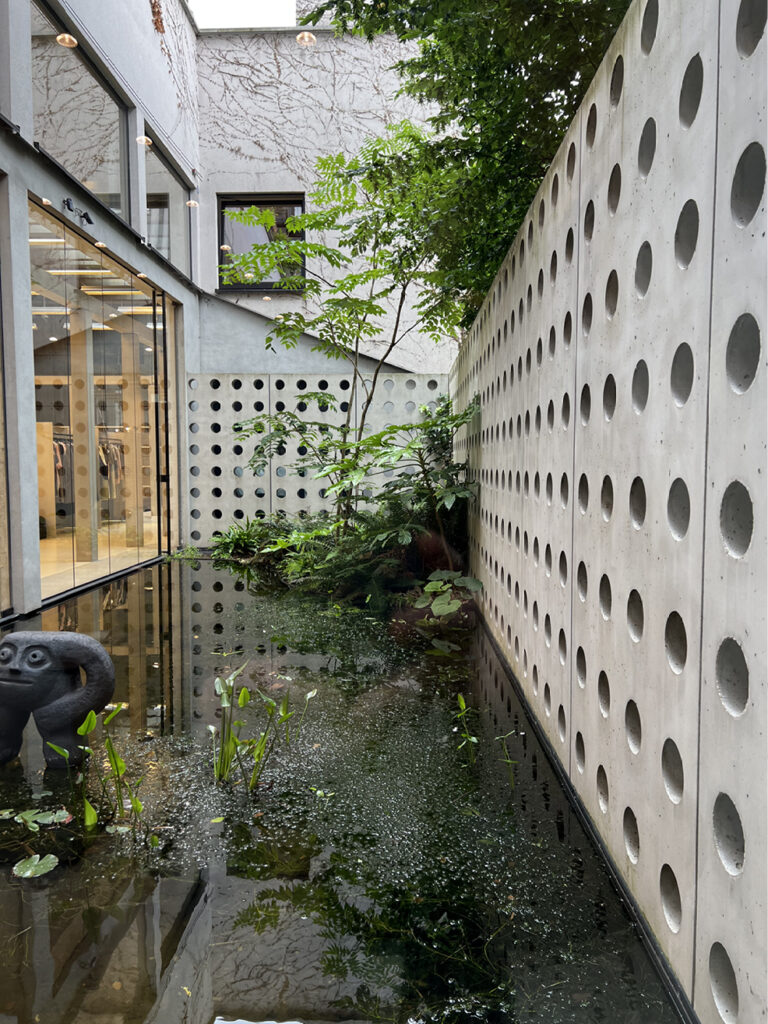
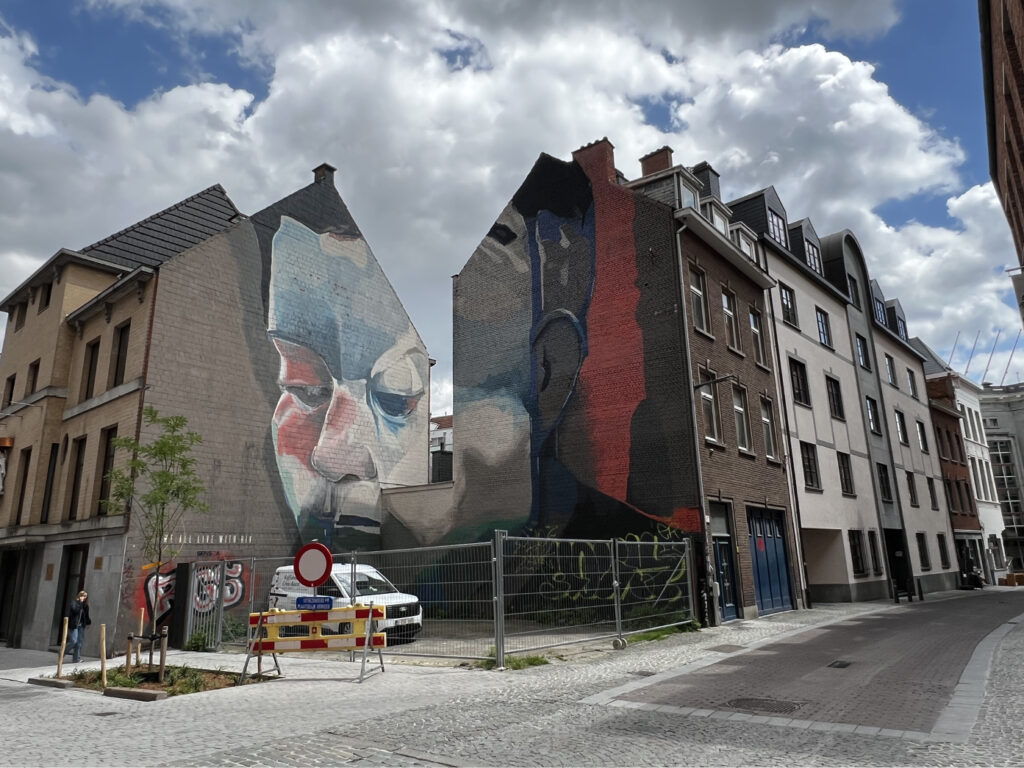
For fashion professionals and consultants, Antwerp represents a unique environment where inspiration comes from: independent designers, exhibitions and cultural spaces, innovative retail concepts, street style, emerging creative communities. Strolling through the streets of the center, you come across internal courtyards with ateliers of emerging designers, a large selection of high-quality vintage and second-hand shops, multi-brand stores that bring together international names in the high-fashion and couture scene. That’s why it is a city where the future of fashion can often be observed before becoming mainstream.
Our perspective as fashion consultants
For us, trend research is not only about identifying colours, materials, or seasonal directions, but it is about understanding the cultural movements behind fashion. Travelling, visiting exhibitions, observing creative communities, and exploring international markets allows us to capture the signals that will influence future collections.
Antwerp represents exactly this kind of inspiration: a place where history, innovation, craftsmanship and personal identity continue to generate new creative possibilities.
The future of fashion belongs to those who can understand not only what people will wear, but why they will choose it.
Want to dive deeper into fashion insights?
In our latest articles, we’ve explored in detail the power of trends, artisanal practices and much more. To learn more, click on these links:
The soul in the weave: Batik and the new renaissance of craftsmanship in high fashion
Hand-Loom Weaving: materiality as a modern luxury
Craft in the fashion industry: Tradition, Innovation, Future
Shibori in fashion design: a bridge between heritage and innovation