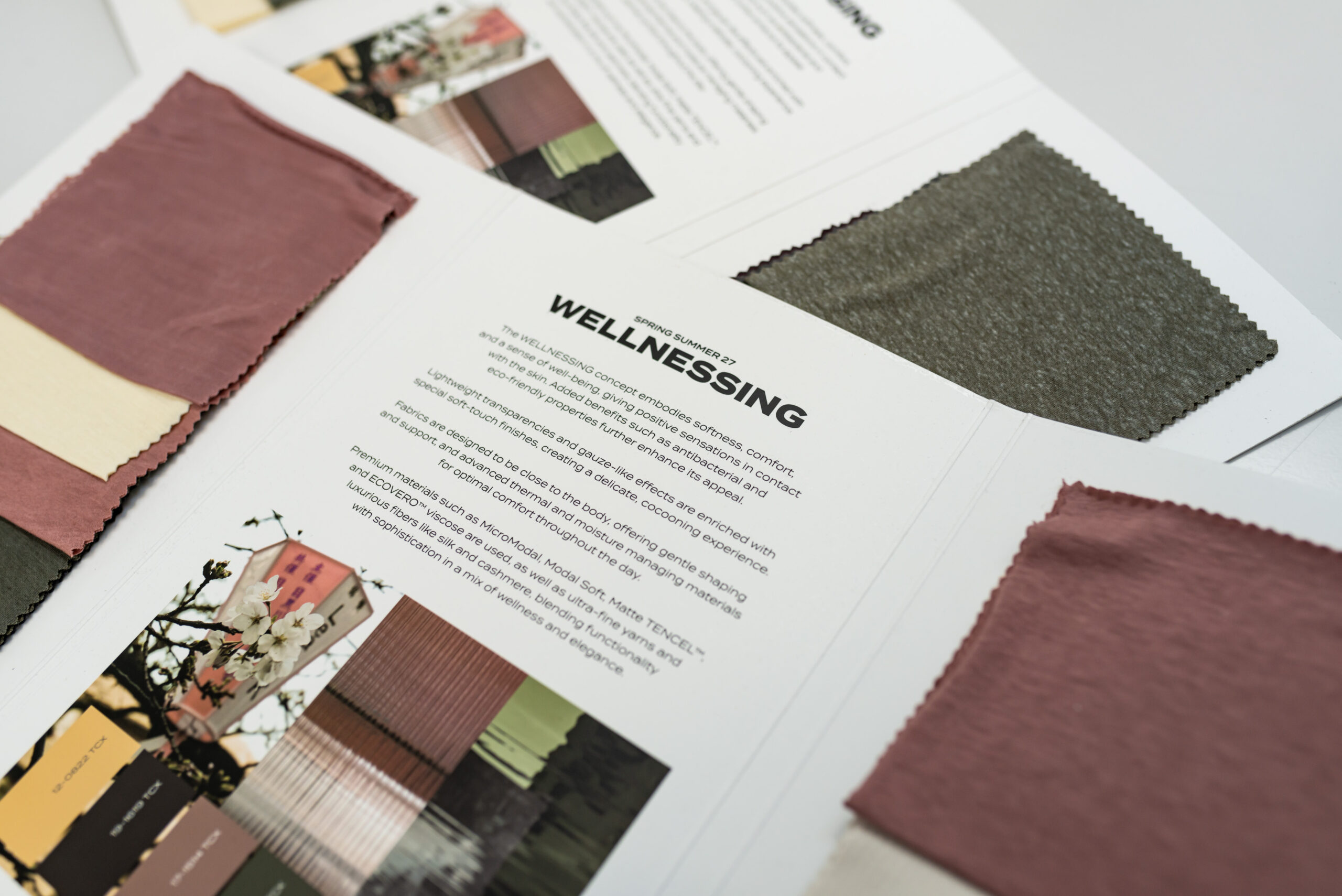
Why the Future of Style Is Also the Future of Self-Care
For more than twenty years we have worked alongside textile producers, fashion brands and international trade fairs. Along this journey, we’ve observed evolutions, reversals, and true revolutions. But few transformations have had as profound an impact as the one currently redefining the global market: the growth of wellbeing as a new driver of identity and consumption.
Wellbeing is no longer a niche, nor a parallel category. It has become a cultural value, a shared language, and a lens through which people evaluate products, brands, and lifestyles. It’s a movement that is influencing everything: from clothing to experiences, from retail to communication. And for fashion brands, it represents a strategic opportunity to be embraced with awareness.
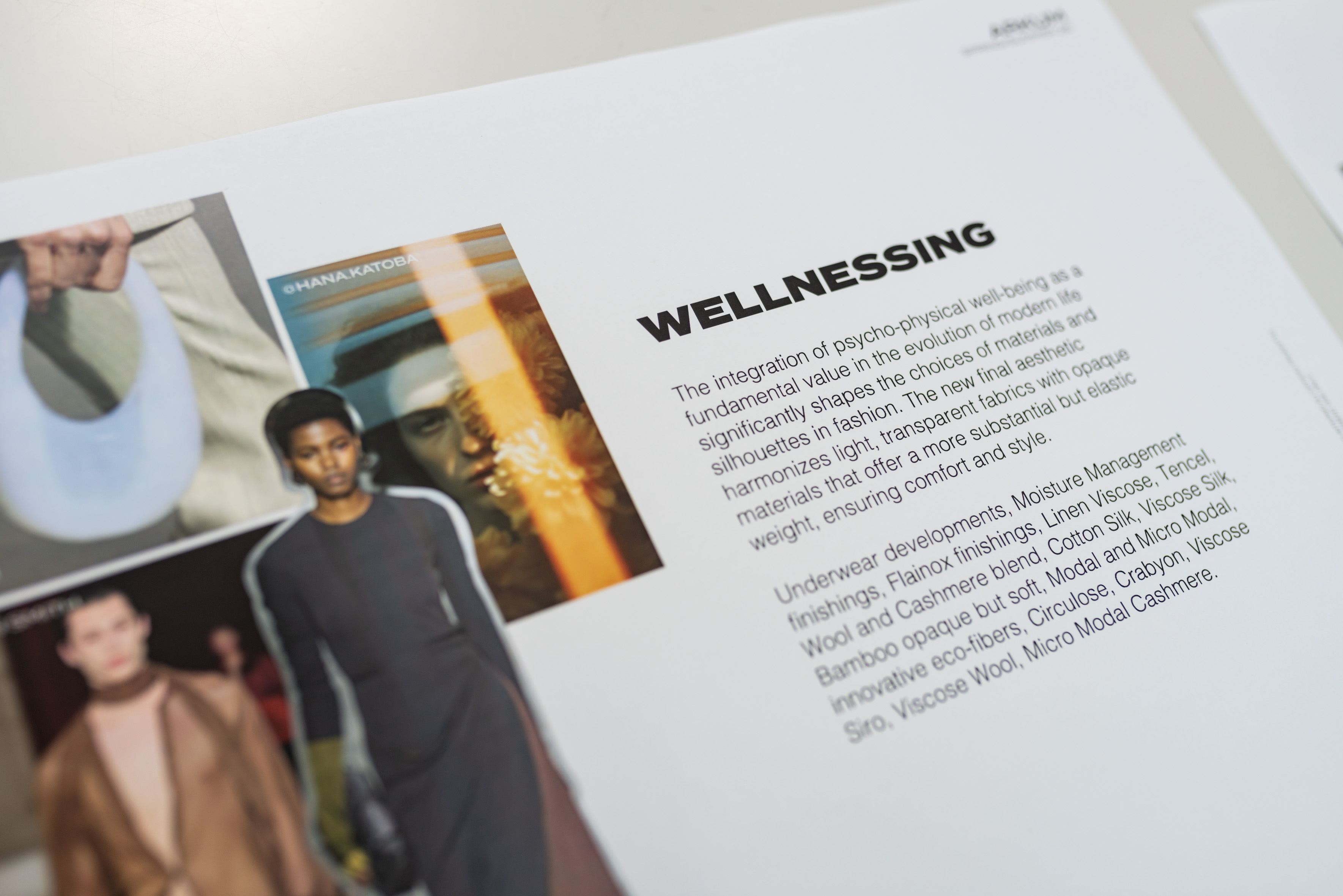
From Dopamine Hits to Meaningful Belonging
The fashion system has long been shaped by fast-paced digital culture: micro-trends, constant novelty, instant virality. But this model is now reaching its limits. Clients, especially Gen Z and Millennials, are gravitating toward slower, more meaningful forms of connection.
They are looking for brands that reflect who they are, what they value, and how they want to live.
Community-driven engagement is becoming more powerful than influencer-driven communication. Belonging outweighs visibility. Today’s audience doesn’t just buy clothes, they buy identity, balance, and emotional resonance.
Longevity and quality: the new language of contemporary luxury
Another emerging phenomenon is the focus on “longevity,” not only in the biological sense, but as an approach to life and products.
Beneficiary seek:
- garments that last over time;
- materials that maintain comfort and beauty;
- solutions that combine performance and softness;
- products that do not compromise between aesthetics and well-being.
For brands, laundries and textile producers, this means investing in:
- advanced textile research,
- new weaves and fiber blends that increase performance,
- sensory finishes,
- colors that are gentler on the skin,
- emotional and functional design.
Wellbeing as a New Individual Identity
Wellbeing has become central to how people define themselves, a phenomenon that cuts across all consumer categories.
Data shows that the majority of people today consider physical and mental health an essential priority. (“The State of Fashion 2026” – McKinsey report)
Wellness is no longer about optimization at all costs, but about living better, not only longer. This shift is reshaping choices in nutrition, skincare, sportswear, leisure activities and, of course, fashion.
Lifestyle categories adjacent to wellbeing, athleisure, functional accessories, body-care, homewear, are expanding rapidly. Yet the biggest opportunity for fashion companies lies deeper: integrating wellbeing into the brand’s DNA.
This has two strategic implications for fashion:
• Comfort is no longer a technical niche, but a universal value. Natural, breathable, high-performance, and soft-touch materials are becoming essential in collections.
• Products must generate positive sensations.
Wellbeing means perception: touch, weight, texture, color, volume, fit. Everything related to the “feel” of a garment becomes part of the consumer’s identity.
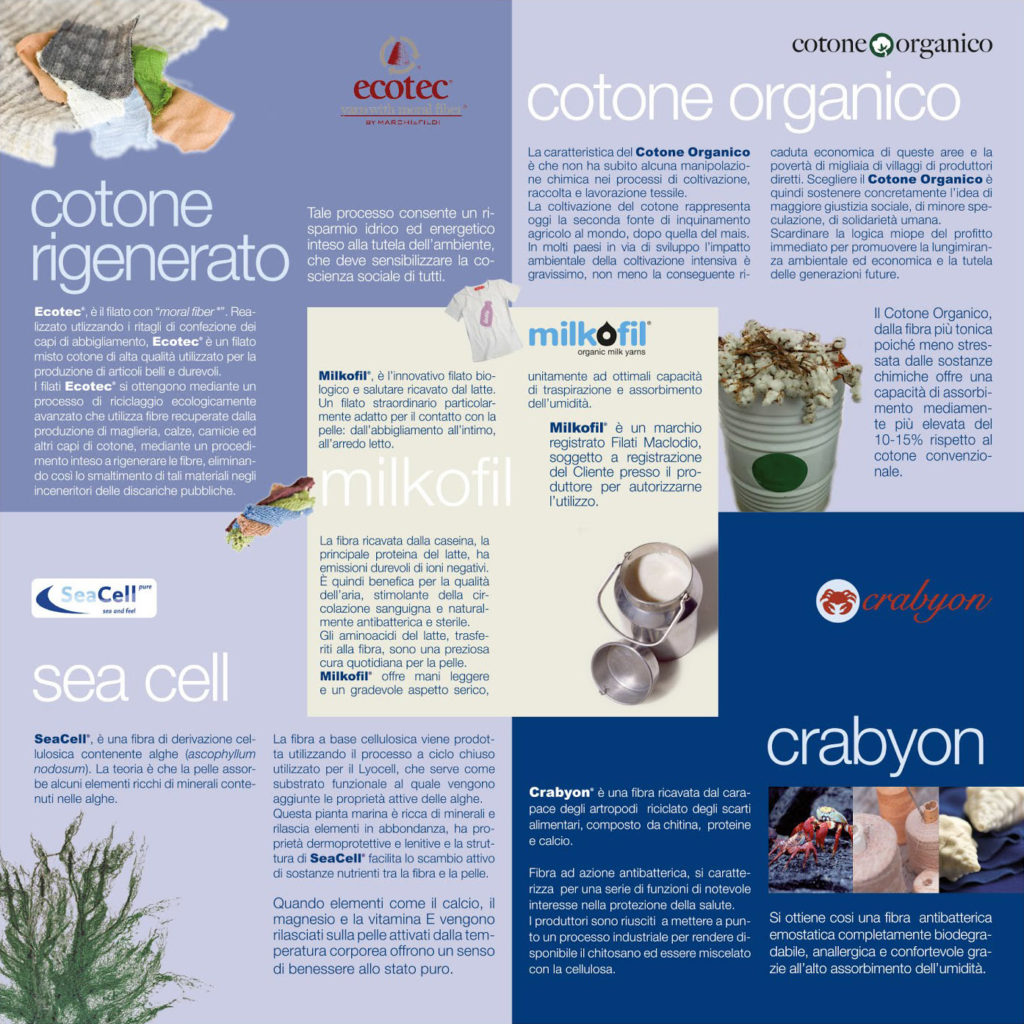
Olimpias. It consists in the creation of a story concept, visual graphic design and promotional merchandising. Garments are designed with sustainable fibers like Crabyon, Organic Cotton, Recycled cotton, Milkofil and SeaCell.
The Rise of “Third Spaces” in Fashion
Fashion brands are increasingly developing “third spaces”: social environments where people can connect, feel good, and spend quality time with a brand beyond the act of purchasing.
Think yoga studios, running clubs, wellness pop-ups, experiential retail areas, or beauty-oriented extensions of fashion heritage. These initiatives reinforce emotional loyalty and allow enjoyers to experience a brand as part of their lifestyle.
For companies, the challenge is ensuring these initiatives feel authentic, aligned with the brand’s purpose, and coherent across all touchpoints, from design to material selection, from communication to in-store experience.
Holistic Approach: From Aesthetic to Experience
For fashion brands, integrating wellbeing is not about adding a capsule collection or introducing a pop-up event.
It requires a holistic, long-term transformation, where:
- Product design resonates with balance, comfort and vitality
- Materials reflect quality, purpose and sensory wellbeing
- Communication celebrates longevity, emotional harmony and meaningful living
- Retail becomes experiential and community-driven
- Partnerships with wellness experts reinforce credibility and authority
The brands that succeed will be those capable of connecting wellbeing to their identity in a way that feels natural, coherent and visionary.
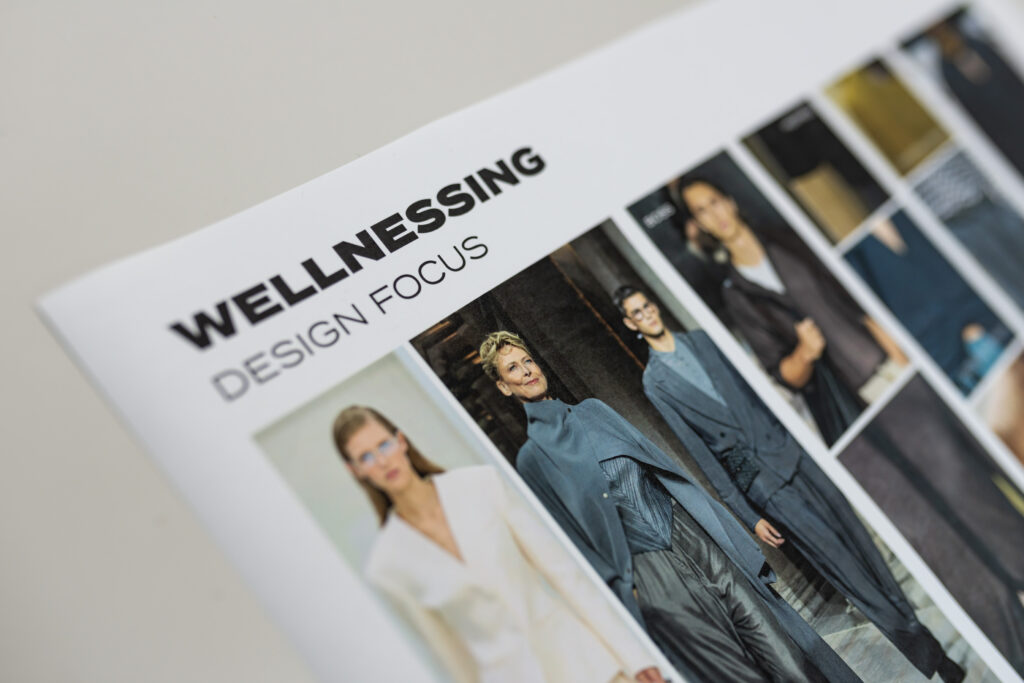
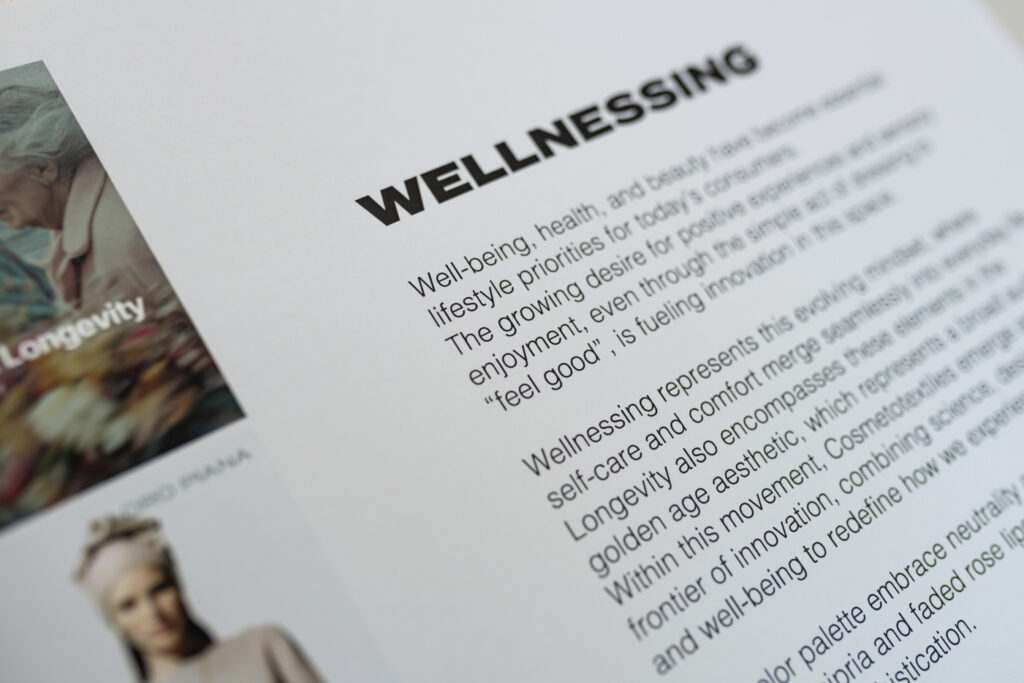
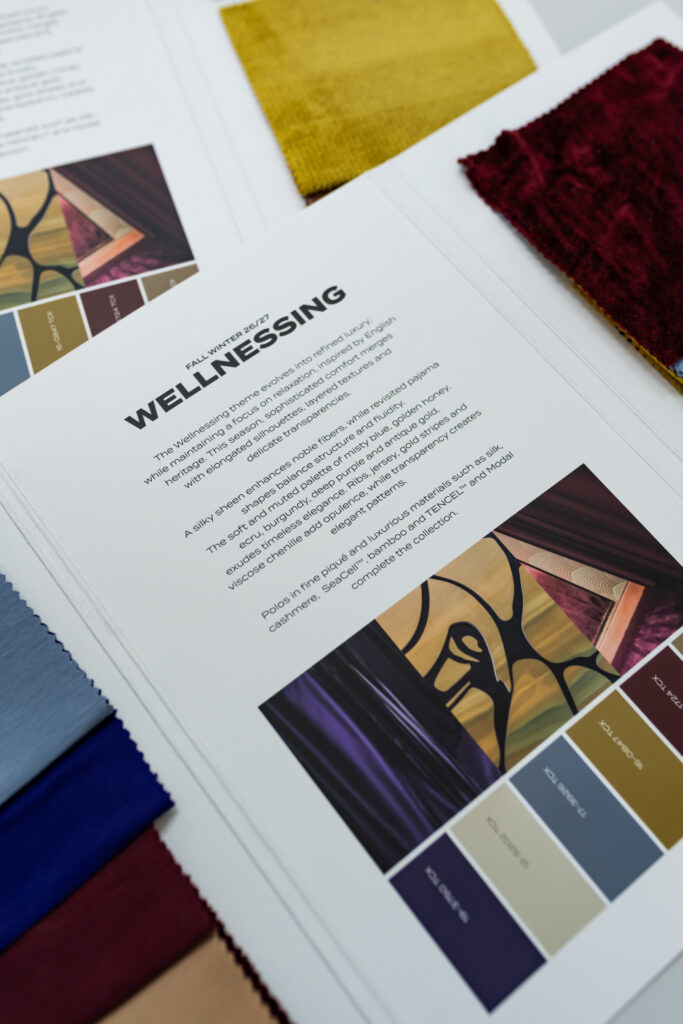
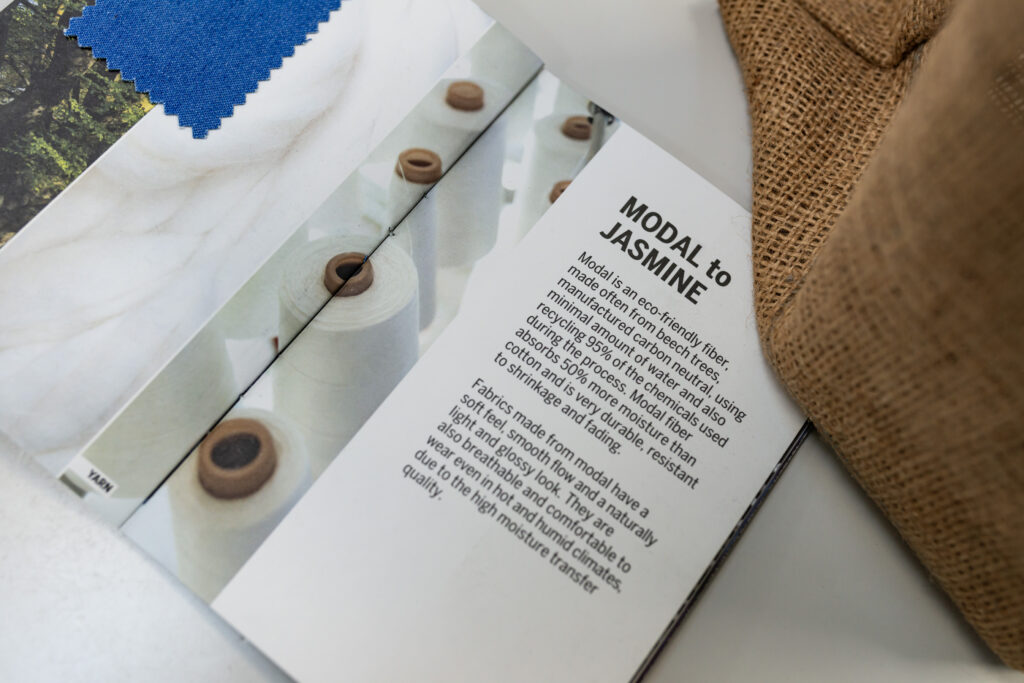
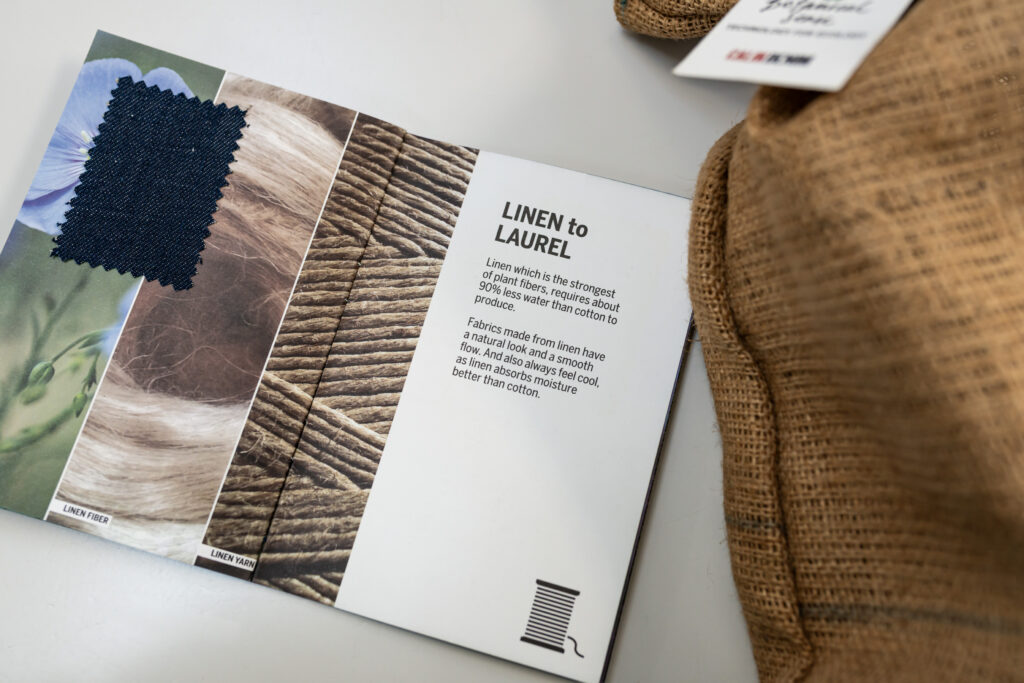
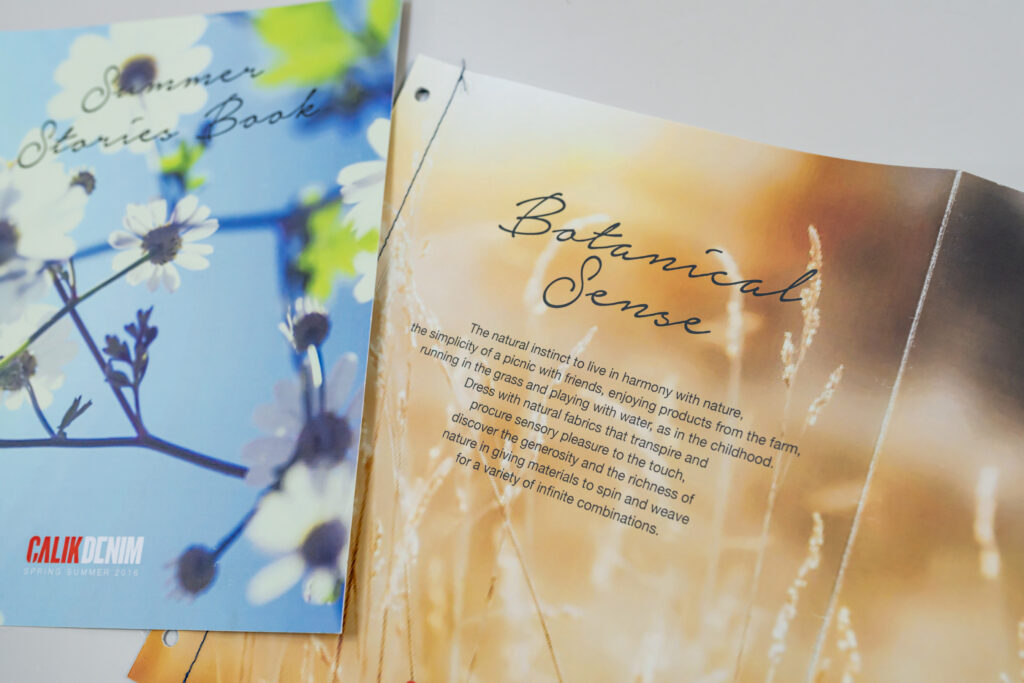
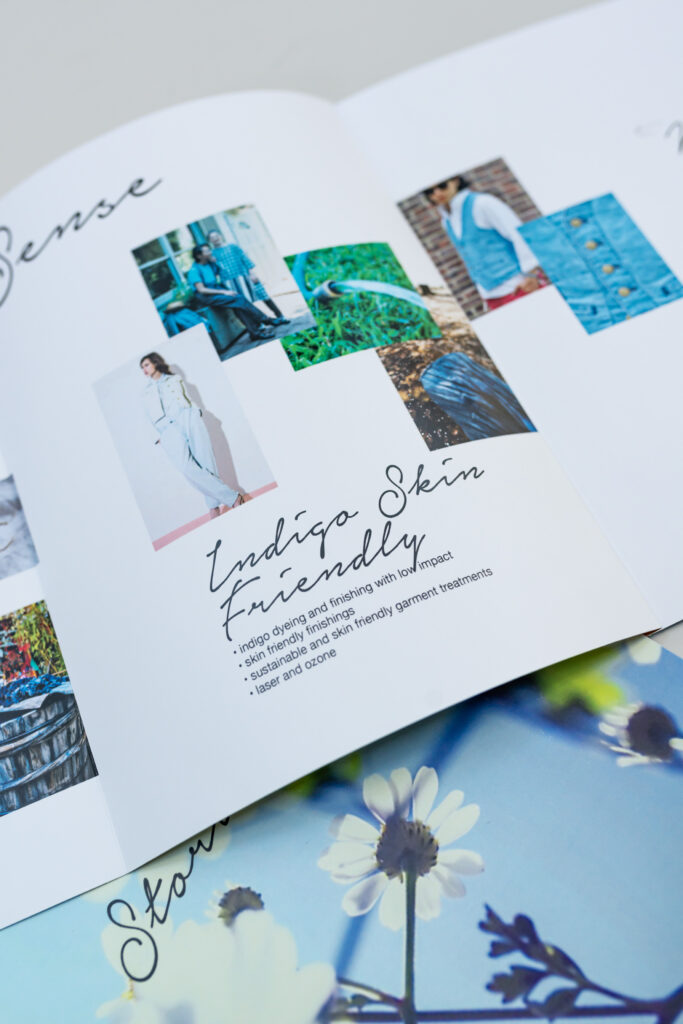
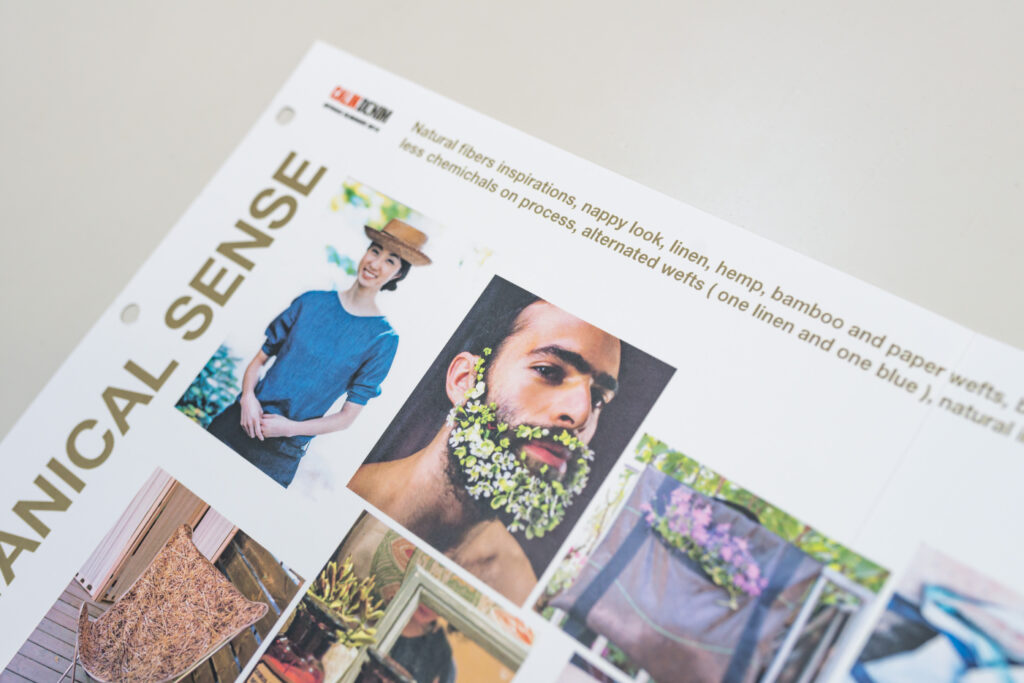
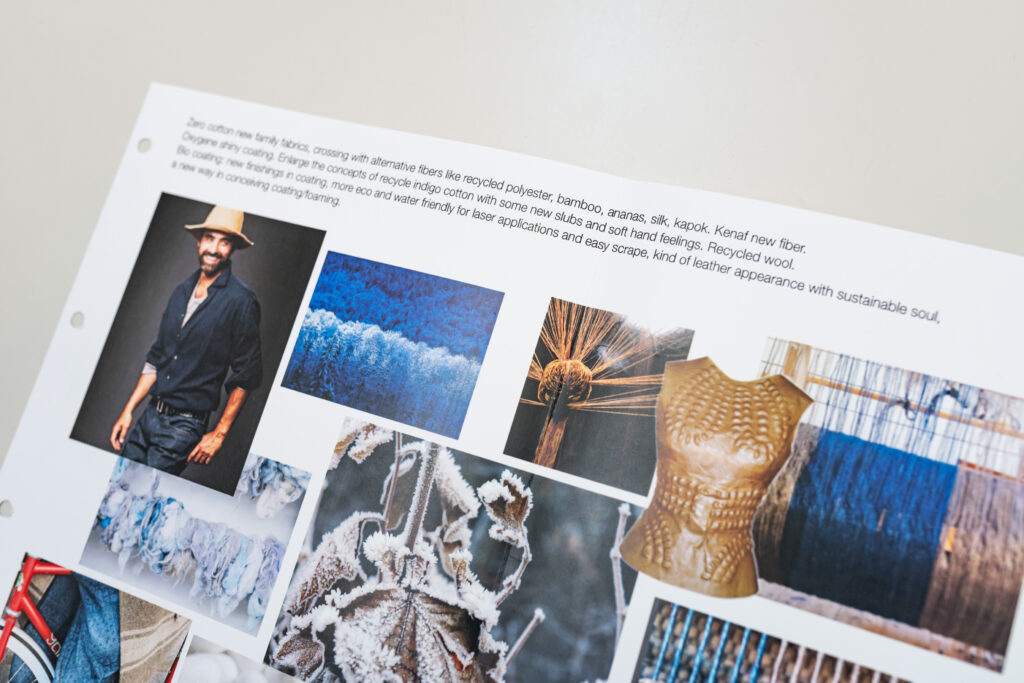
mood board and trend research
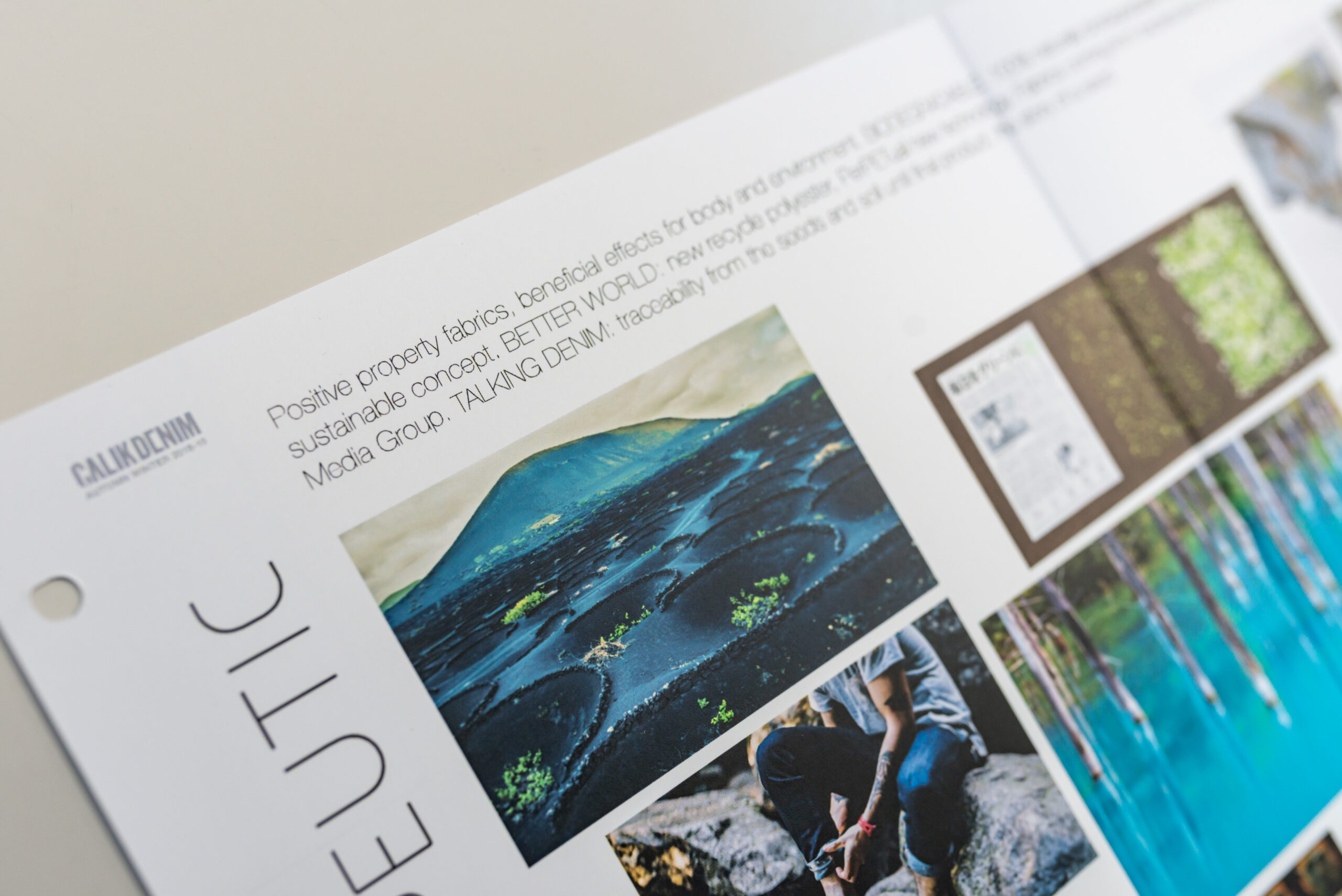
mood board and trend research
Our Perspective as Textile Consultants
From our privileged vantage point in the textile industry, we see a clear direction: end users are investing more in things that improve their psychophysical balance. And this also influences brands’ demands on material manufacturers.
For our clients, this means three things:
- Understanding the needs of the new audience focused on wellbeing to anticipate requests and guide material development.
- Integrating comfort, performance, and sensorial quality into fabrics, because wellbeing is also perceived through touch, softness, thermoregulation, antibacterial properties and durability.
- Developing collections that convey a more balanced lifestyle through aesthetic codes, color choices, finishes, and materials consistent with this new cultural identity.
Wellbeing is not an accessory trend: it is the new value infrastructure of the fashion market.
Those who understand it today will drive innovation in the coming years.
A Vision Built on Two Decades of Pioneering Work: An Invitation to Explore Our Portfolio
As consultants, Meidea’s strength lies in our future-driven perspective, a mindset refined through more than 20 years of pioneering projects in fashion and textiles around the world. Long before wellbeing became a mainstream value, we supported companies in integrating advanced fibers and technologies designed to improve both personal comfort and environmental impact.
Some of the materials we helped introduce or promote in their early stages, such as Hemp, Seacell, Linen, Lyocell, TENCELTM, Circulose®, Modal, Bamboo, Crabyon, Milkofil, Antibacterial and Moisture management treatments, are now widely recognized for their benefits in performance and wellbeing.
Today, we continue to pursue this direction with the same commitment: collaborating with brands, dyers and textile producers to enhance existing resources, accelerate innovation and integrate wellbeing into every stage of product development.
If you are exploring how to align your next collection with the future of wellbeing, we invite you to discover our portfolio, a curated selection of projects that reflects our vision, our methodology and our ability to anticipate what people will be asking for in the years ahead.
Strat now to develop your wellbeing collection with us!