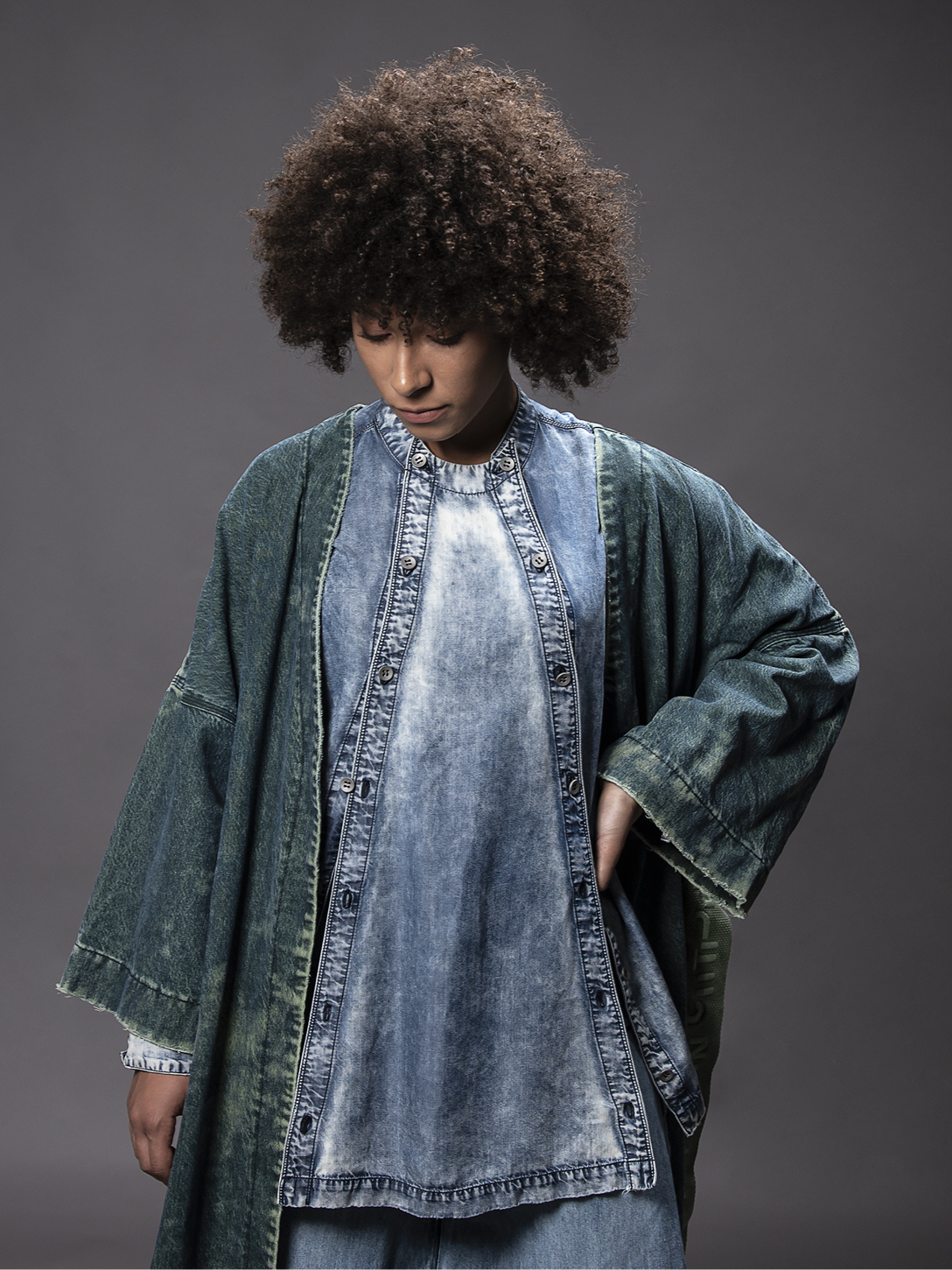
New paths for creativity and sustainable innovation in denim
Denim has always been more than a fabric.
It is a material in constant evolution: a surface that records time, experience, and transformation.
At the heart of this transformation lies indigo, a dye unlike any other. Its unique chemical nature allows it to fade, evolve, and respond to treatments in ways that no other color can replicate. This natural instability is precisely what makes indigo so powerful: it turns denim into a living canvas.
For designers, textile developers, and laundries, indigo offers a field of endless experimentation. Each wash, each abrasion, each technological intervention becomes a creative gesture that rewriting the fabric and revealing new identities.
From our perspective as textile consultants, experimentation is not simply a creative exercise. It is a methodology for innovation, rooted in observation, craftsmanship, and technological exploration.
Experimentation as a method
Since the beginning of our consultancy journey in 2004, experimentation has been part of our daily practice.
Seeing, touching, testing, and testing again, learning from masters, artisans, and technicians, has allowed us to build an archive of experiences that informs every new project.
Every garment, every textile collection, and every product concept begins from this accumulated knowledge.
Denim, in particular, invites reinterpretation.
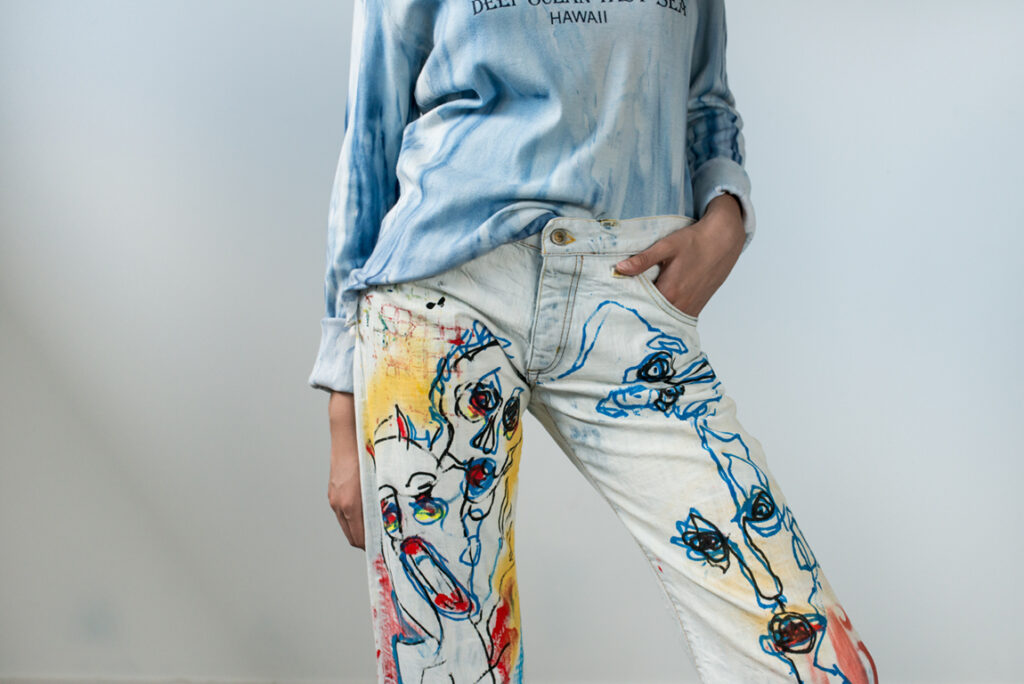
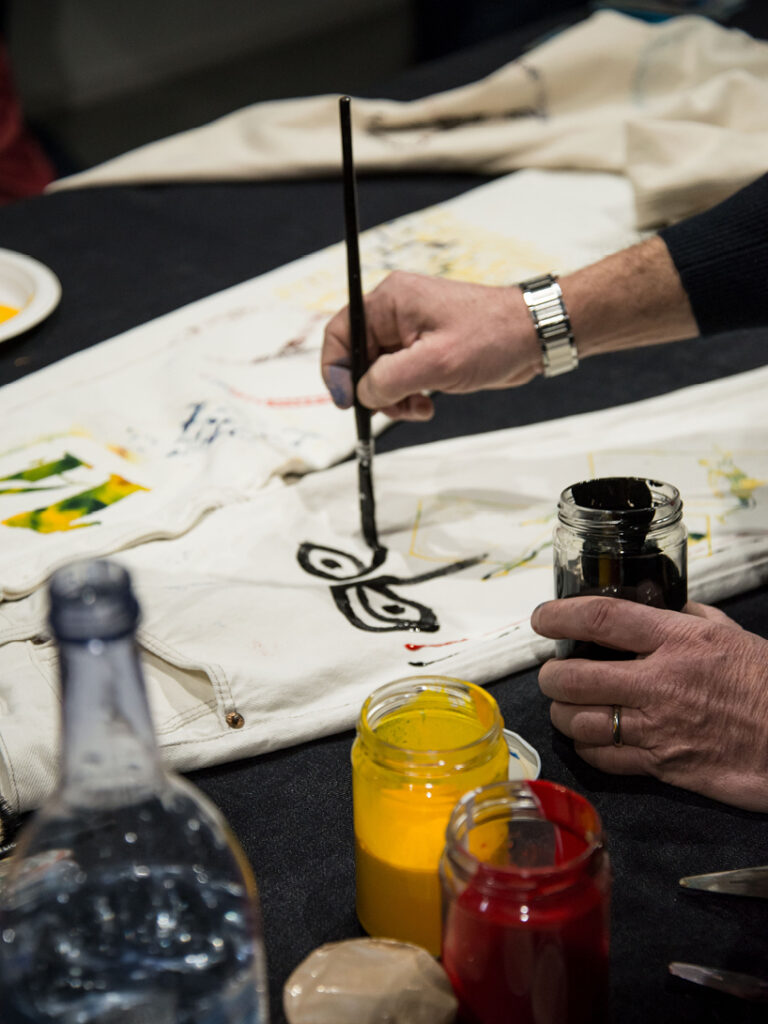
Like a painter working on a canvas, we approach the material as something that can be transformed through processes, textures, and time.
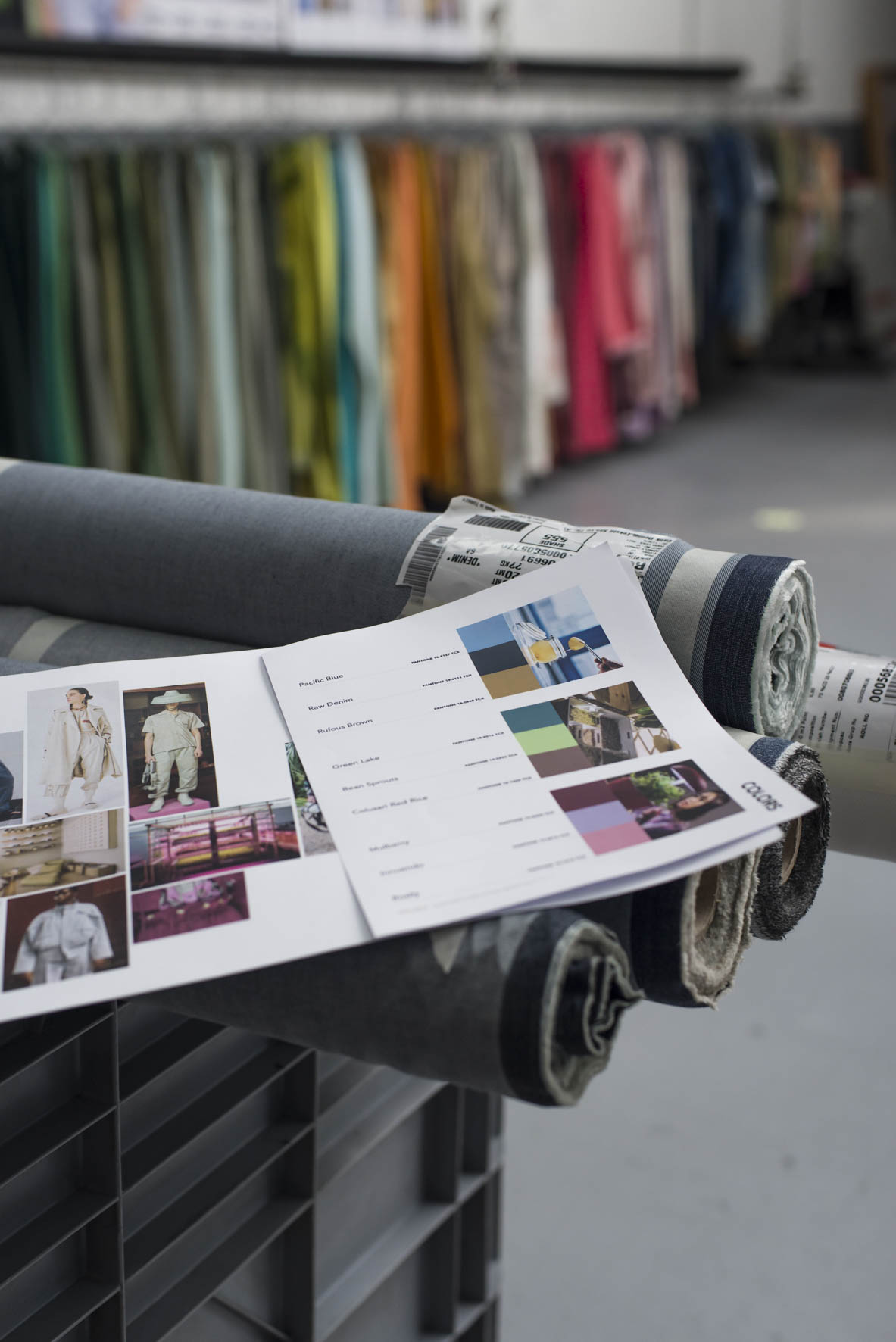
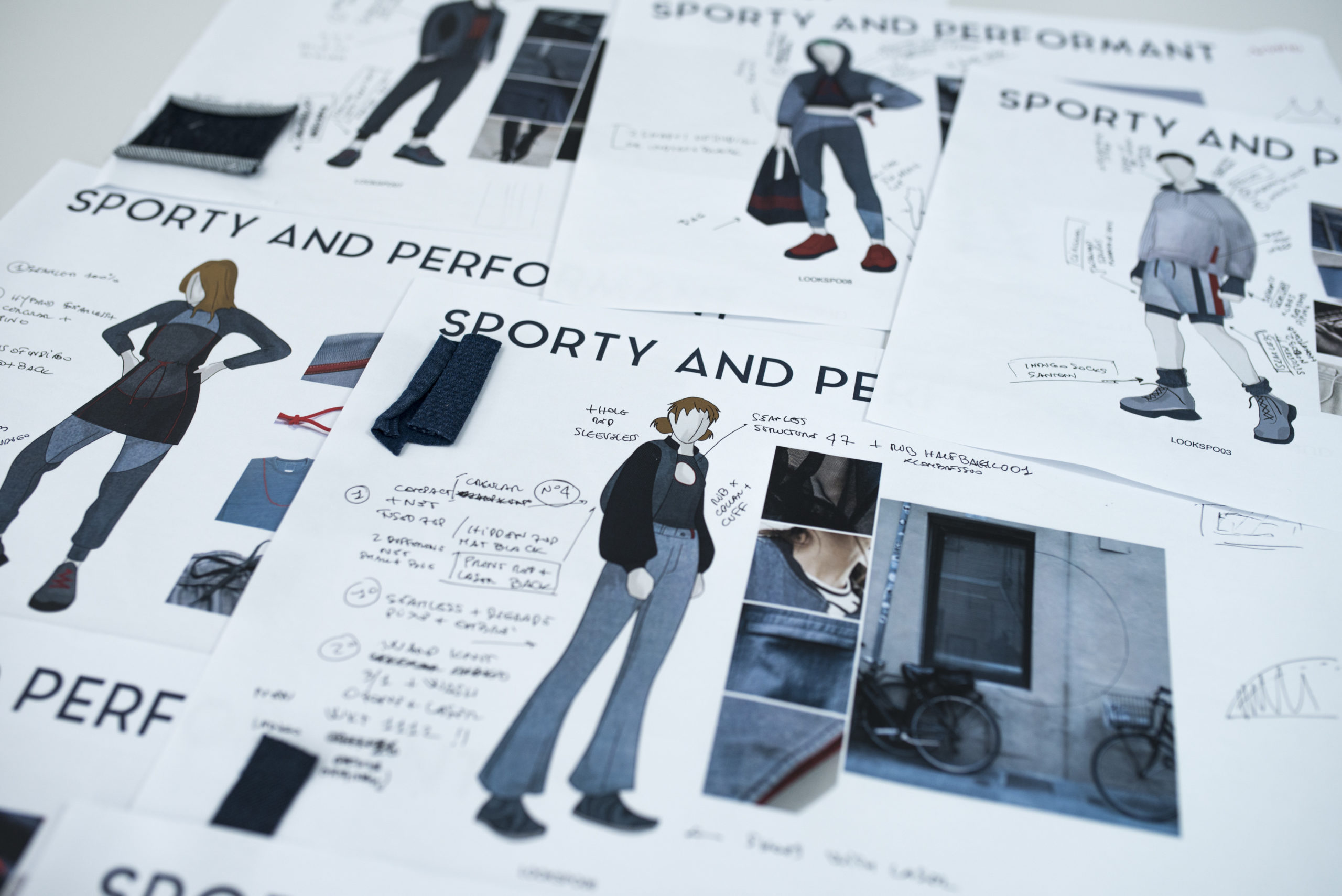
Our creative process often starts with research: street observations, historical archives, artistic influences, and manual experimentation with materials. From there, technology and innovative sustainable tools expand the possibilities even further.
Experimentation becomes a dialogue between heritage and future.
We want to share with you a simple, step-by-step guide to inspire your own vision of experimentation and explore new creative avenues on the living canvas that is denim.
The experimenting path
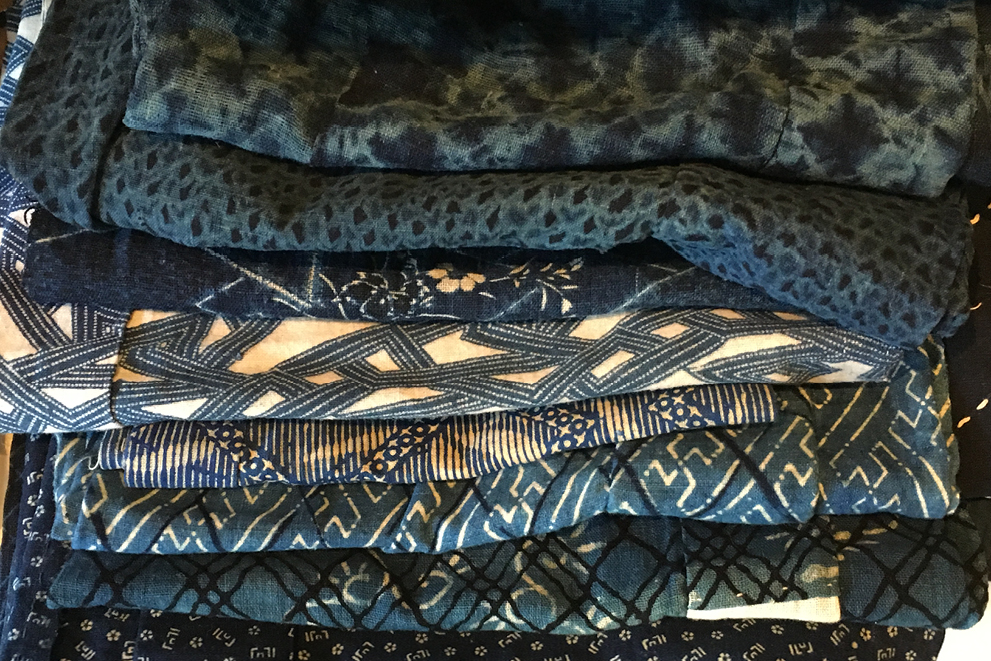
1. Eyes on the world
Creativity rarely emerges in isolation.
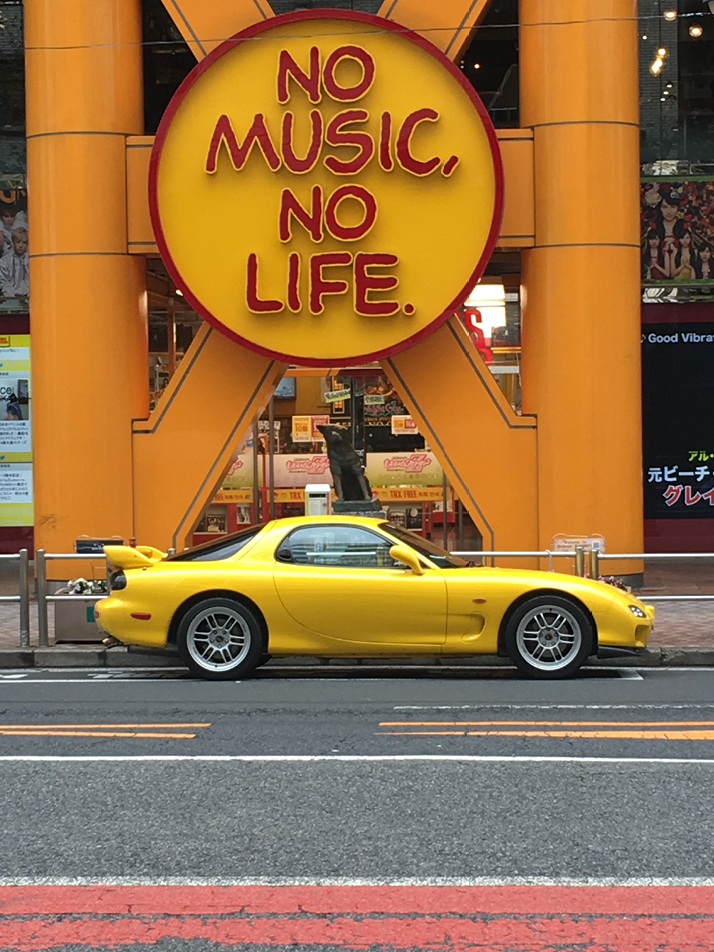
Travel, cultural encounters, and exposure to different disciplines continuously stimulate new ideas. Observing street style, art exhibitions, craft traditions, and urban environments allows to detect visual signals that later translate into material research.
Denim itself has always been shaped by culture: from workwear to counterculture movements, form music to art, from streetwear to luxury reinterpretations.
Understanding these cultural layers is the first step toward meaningful innovation.
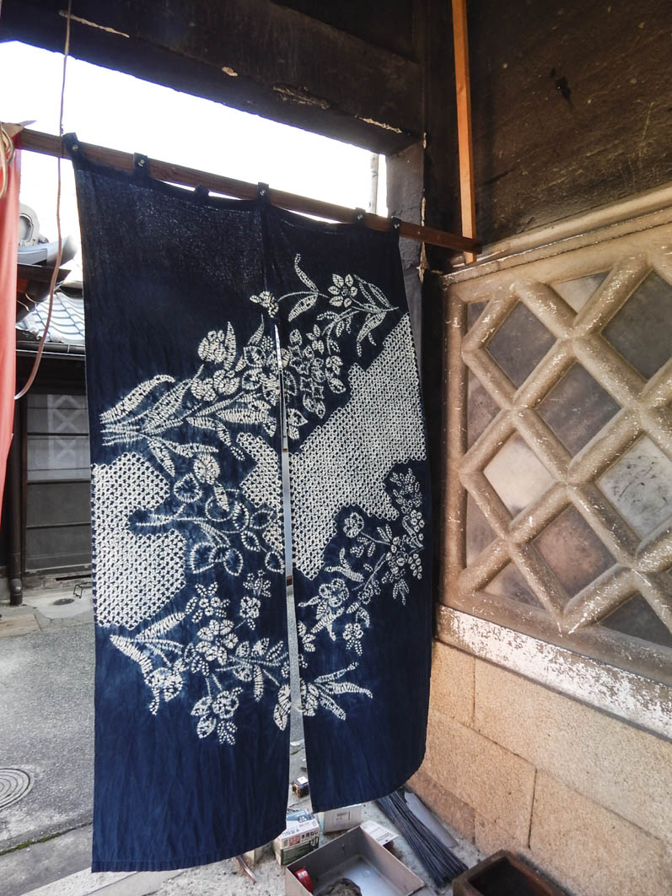
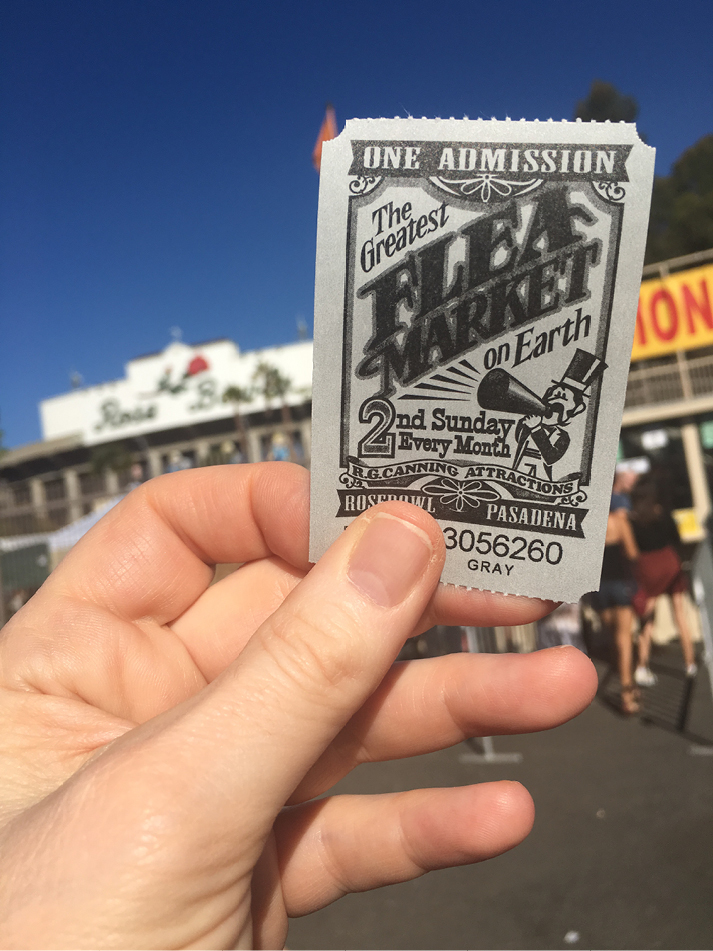
Rose Bowl Flea Market LA – Meidea Trend Research
2. Creativity and technical knowledge
True experimentation requires knowledge.
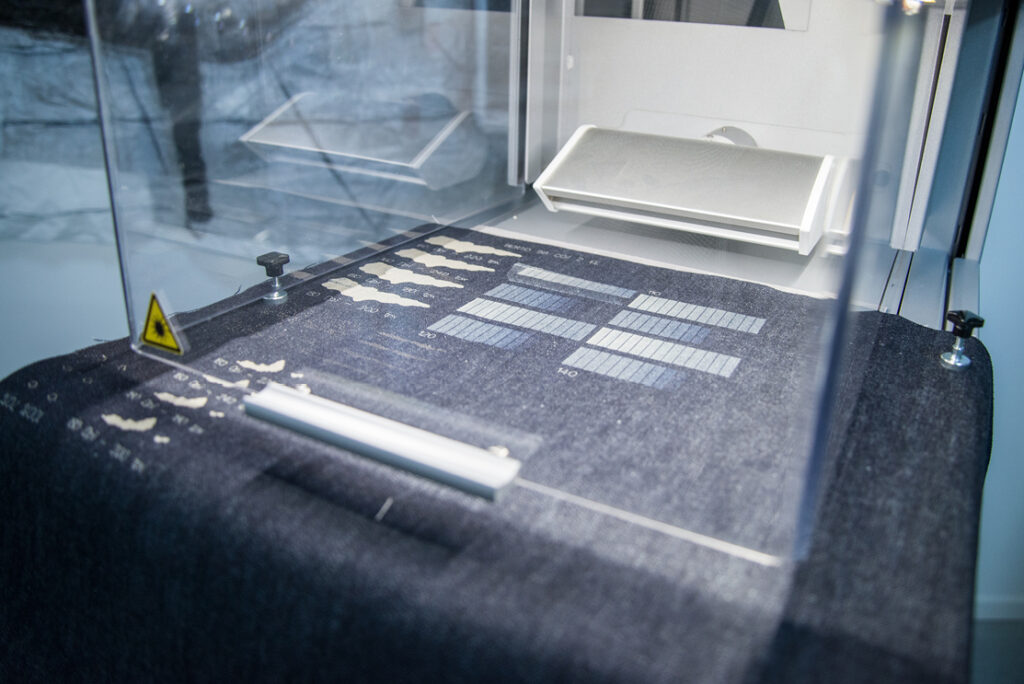
Craftsmanship, the deep understanding of fibers, weaving structures, dyeing, and washing techniques, remains essential. But when this expertise meets new technologies, the results can redefine the possibilities of denim.
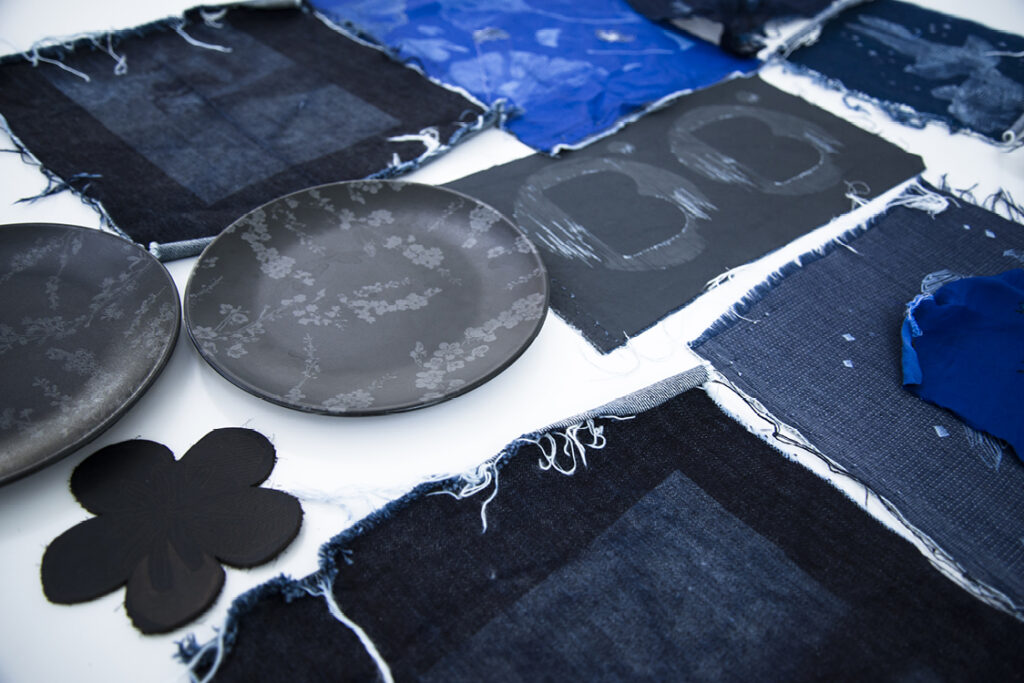
Today, digital tools, laser technologies, advanced enzyme treatments, and innovative dyeing processes allow designers and laundries to create effects that were unimaginable only a decade ago.
The combination of craft intelligence and technological precision enables fabrics and garments to develop unique identities.
3. Nature as inspiration and direction
Nature continues to be one of the most powerful sources of inspiration for textile experimentation.
Natural textures, erosion patterns, mineral surfaces, plant pigments, and organic irregularities all influence contemporary denim aesthetics.
At the same time, nature also guides the industry toward more eco-practices: encouraging the adoption of natural dyes, biological processes, and circular production methods.
Indigo itself originates from nature, historically extracted from plants such as Indigofera tinctoria. Rediscovering and reinterpreting these natural processes is becoming increasingly relevant for the future of textile production.
Eco innovation in indigo dyeing
While indigo is historically rooted in natural dyeing traditions, modern industrial processes have often relied on chemical synthesis and resource-intensive dyeing techniques. As sustainability is a priority, researchers and industry innovators are developing new methods to reduce environmental impact while maintaining creative freedom.
One promising direction is the development of bio-based indigo produced through microbial fermentation, where engineered bacteria convert renewable carbon sources into indigo dye without toxic chemical intermediates. This biotechnological approach has demonstrated dyeing performance comparable to conventional indigo while avoiding hazardous byproducts.
SOURCE: https://pubs.rsc.org/en/content/articlehtml/2025/gc/d5gc01293g
Other research is exploring enzymatic and nitrogen-assisted dyeing technologies, which improve dye uptake and stability while reducing chemical consumption, energy use, and carbon emissions during the dyeing process.
SOURCE: https://www.sciencedirect.com/science/article/abs/pii/S0143720825001482
Meanwhile, European research initiatives such as the GREENDIGO project are developing fully bio-based dyeing methods using enzymes to generate indigo directly on the textile fiber, eliminating the need for harmful reducing agents and supporting a cleaner textile value chain.
SOURCE: https://cordis.europa.eu/project/id/101257710
These innovations demonstrate that sustainability and creativity are no longer opposing forces. Instead, they are becoming two sides of the same experimental process.
Creative denim finishing: where art meets technology
The finishing stage of denim production remains one of the most exciting spaces for experimentation.
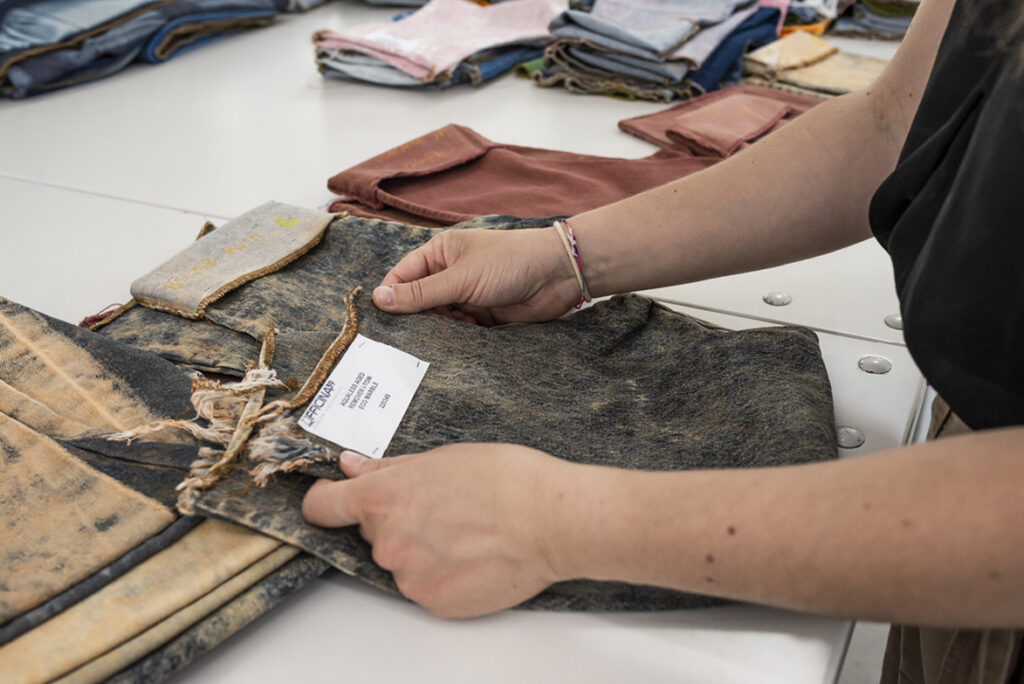
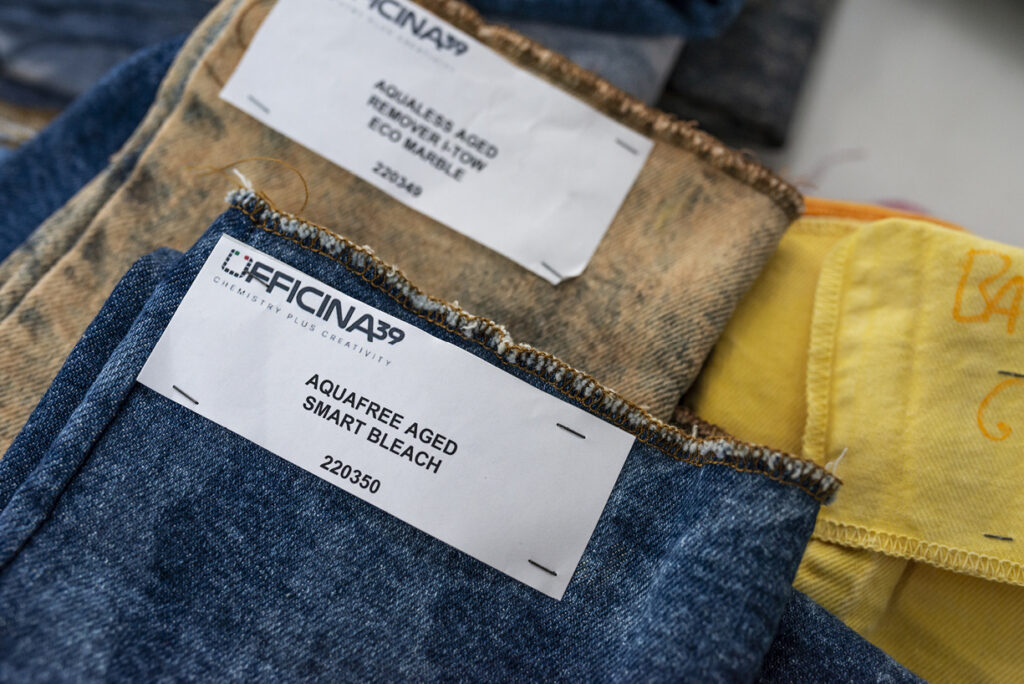
Advanced technologies now allow laundries to create artistic surfaces while drastically reducing environmental impact.
Some of the most innovative approaches include:
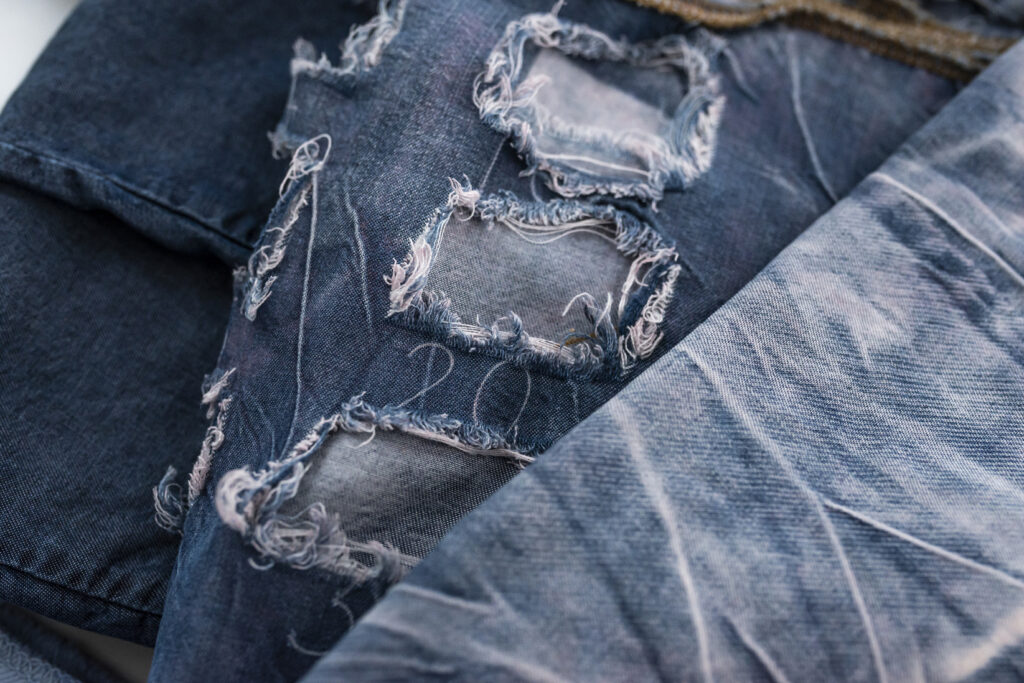
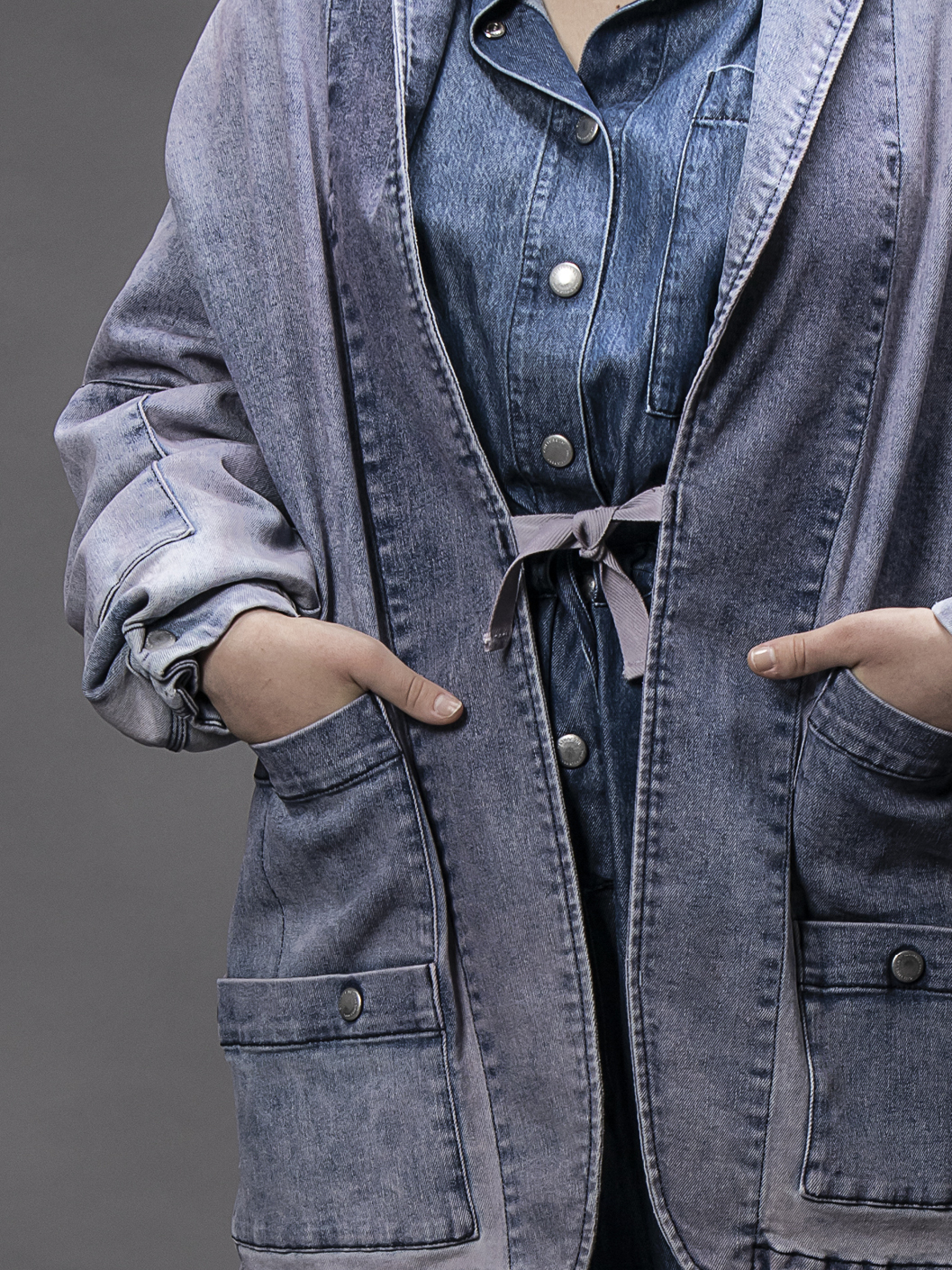
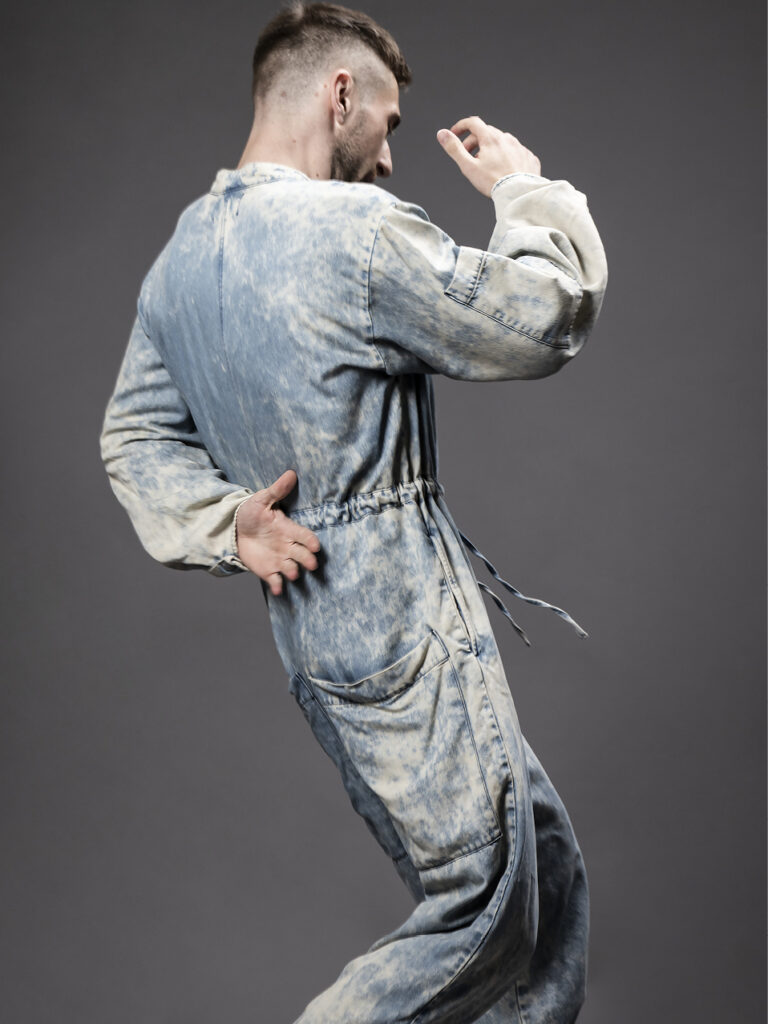
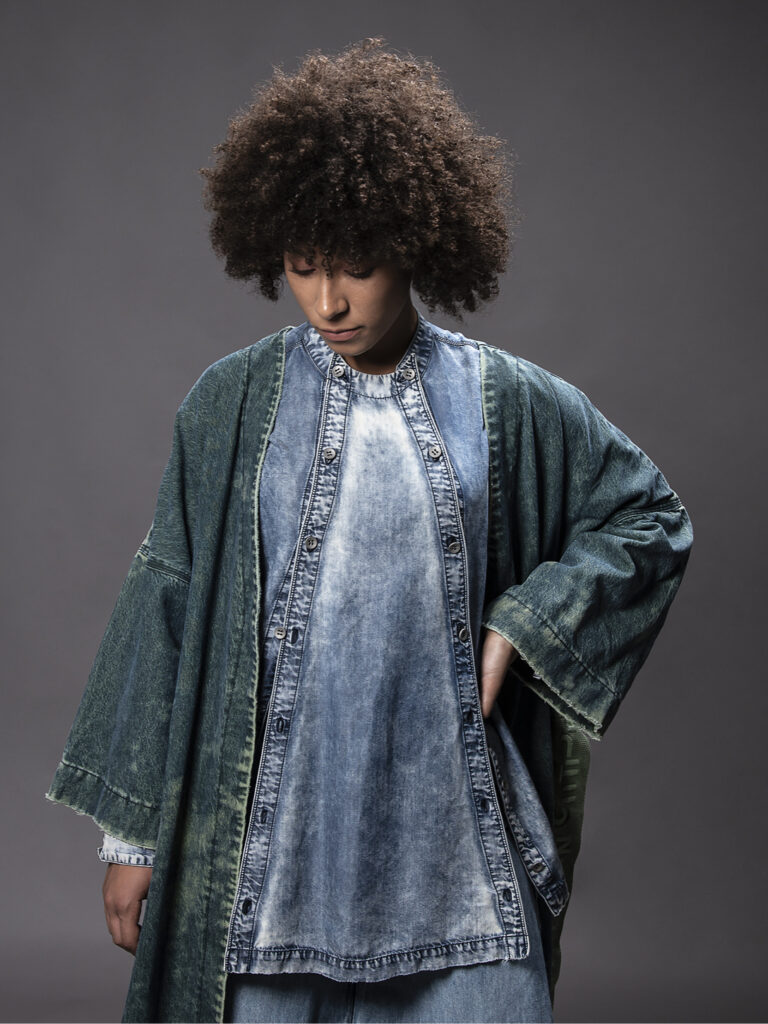
- Laser finishing, enabling precise fading patterns without water or chemicals
- Ozone washing, which replaces traditional bleaching agents with ozone gas
- Enzyme treatments, using biodegradable catalysts to create natural abrasion effects
- Eco-fading processes, reducing water and chemical consumption
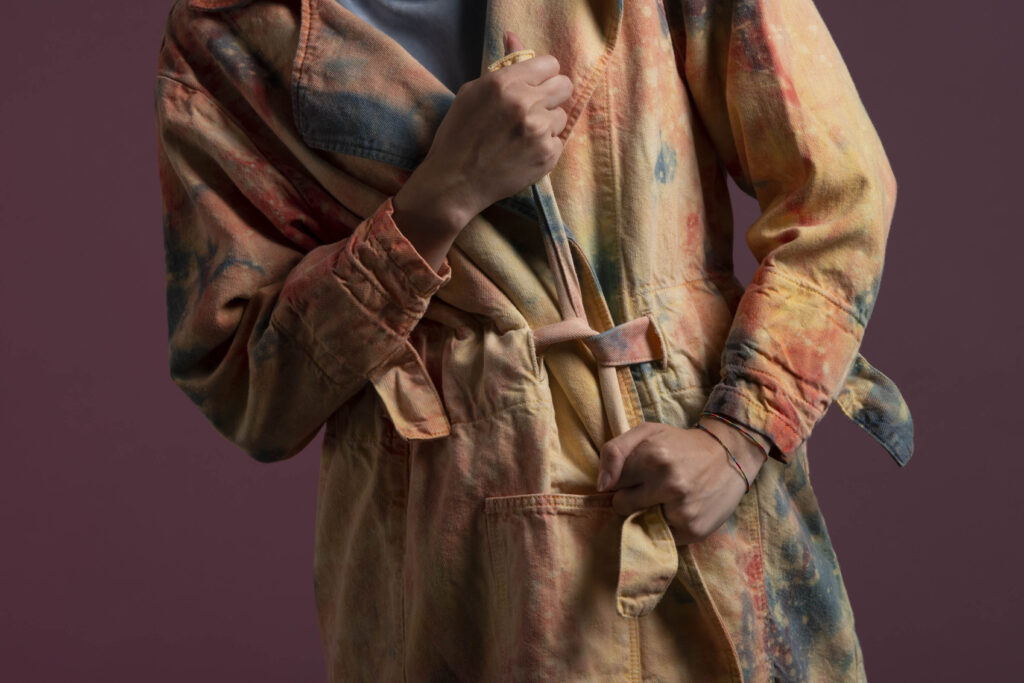
Together, these methods open new possibilities for storytelling through denim.
Inspirations for finding your own way
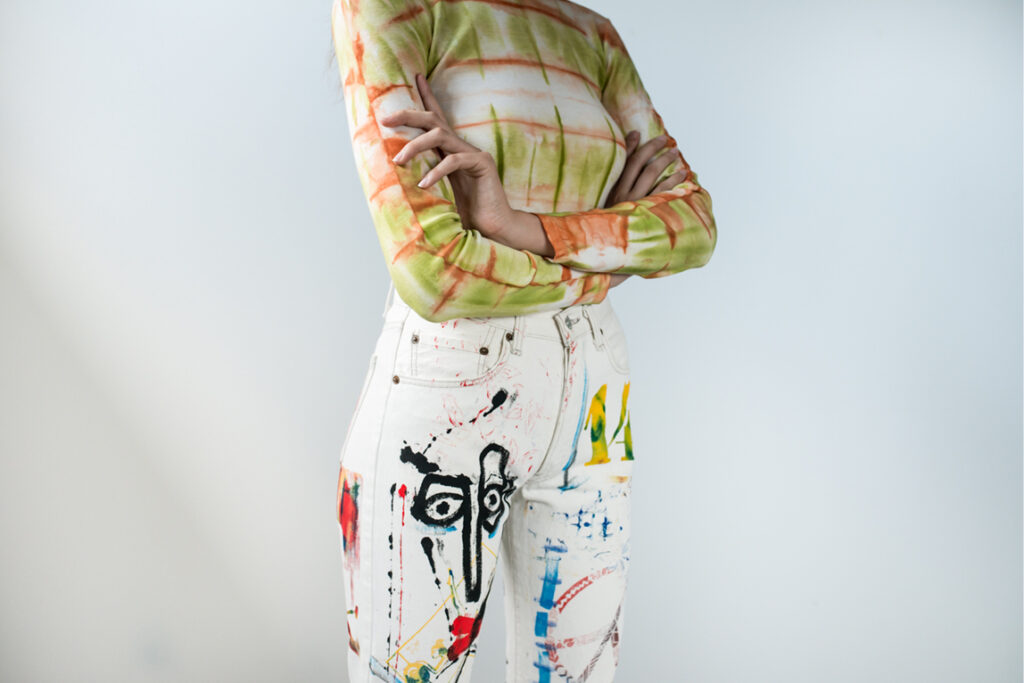
Experimentation in denim is ultimately about exploring new paths.
Some of the most inspiring directions emerging today include:
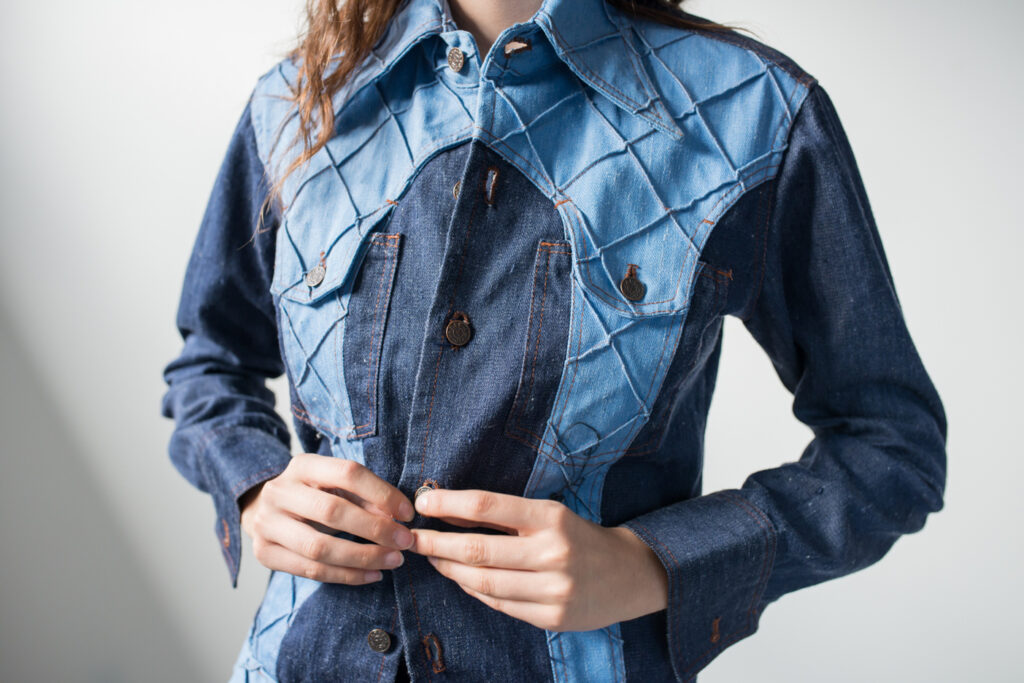
- craftsmanship and artisanal techniques
- artistic interventions on denim surfaces
- upcycling and circular design approaches
- eco-fading finishing techniques
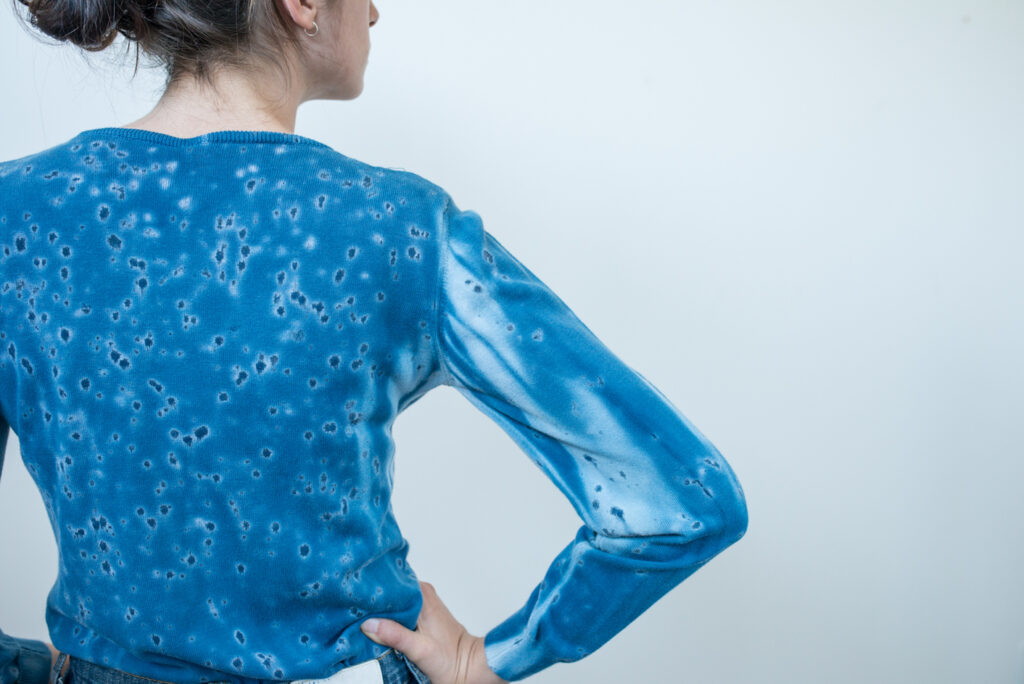
- textures inspired by natural landscapes
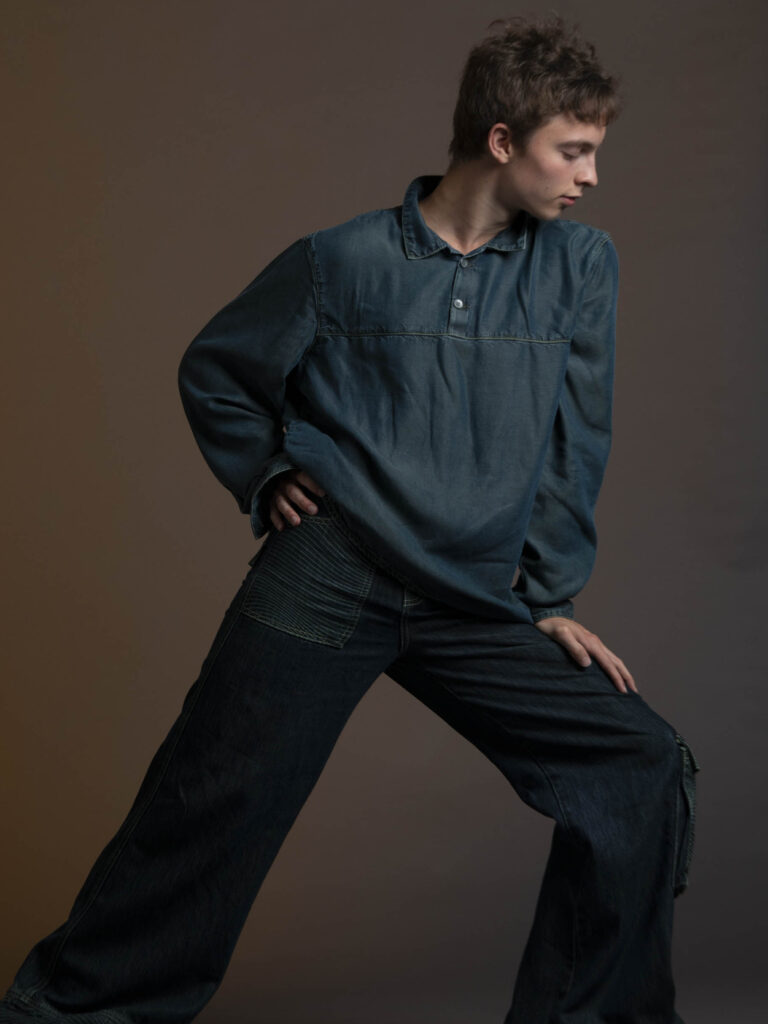
- deep indigo authenticity and tonal variations
- tactile surfaces that enhance sensory experience
These elements transform denim from a simple garment into a creative medium.
Our perspective as textile consultants
For us, experimentation is not an occasional exercise.
It is a continuous process of observation, testing, and collaboration with designers, mills, and laundries.
Indigo remains one of the most powerful materials in this journey. Its natural fading behavior, its connection to craft traditions, and its compatibility with modern sustainable technologies make it an ideal platform for creative exploration.
By combining cultural research, material knowledge, and technological innovation, denim can continue evolving while remaining true to its authentic identity.
Because in the end, experimentation is what allows fashion to move forward.
Want to dive deeper into fashion insights?
In our latest articles, we’ve explored in detail the power of trends, artisanal practices and much more.
To learn more, click on these links:
Craft in the fashion industry: Tradition, Innovation, Future
Shibori in fashion design: a bridge between heritage and innovation