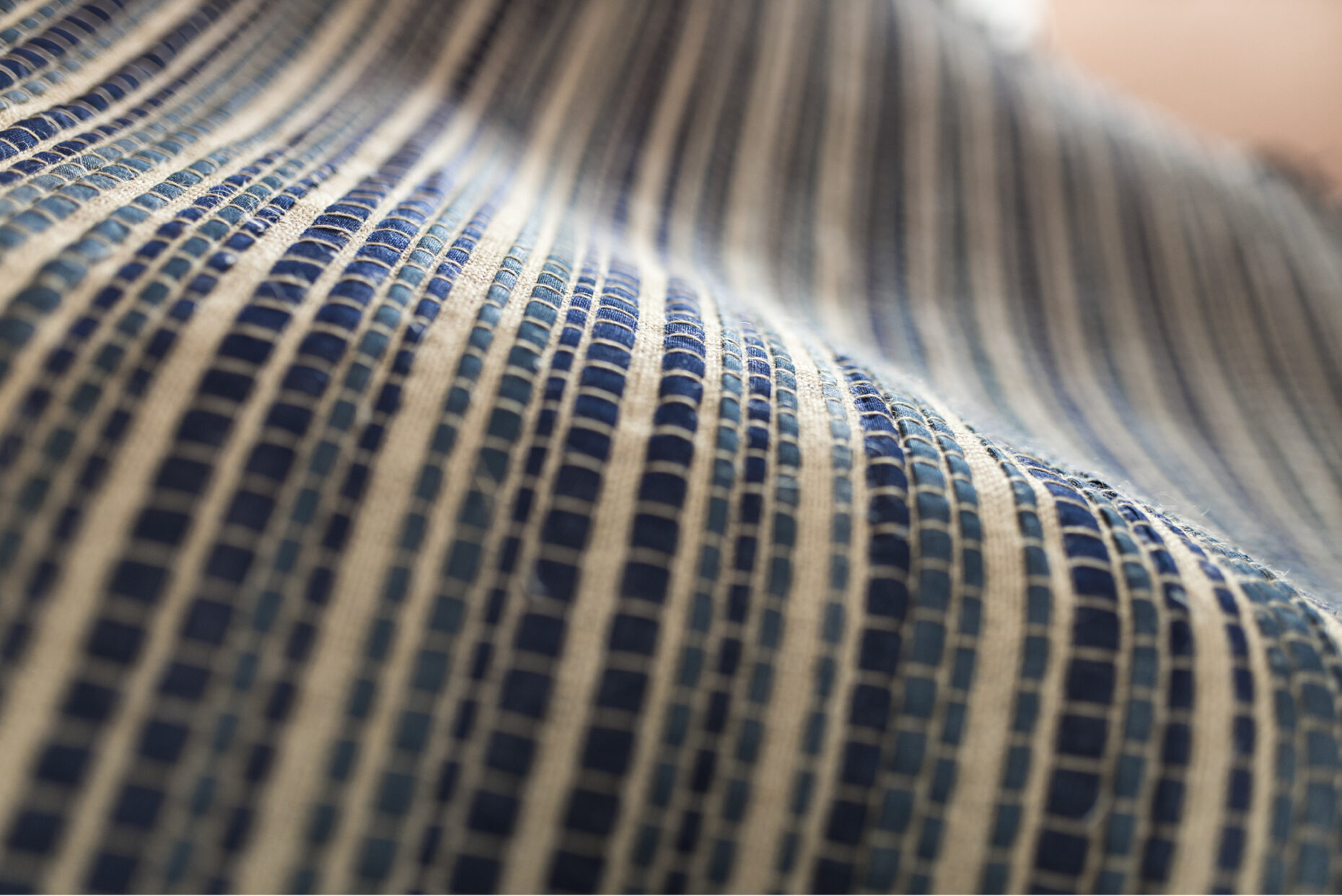
The return of hand-loom weaving in international fashion maisons
What was once considered a craft at risk of extinction, hand-loom weaving is now emerging as a powerful design language, embraced not only by slow fashion advocates but by major fashion houses, luxury brands, and forward-thinking textile producers. This revival reflects a deeper cultural shift: aware clients and creatives alike are seeking meaning, material authenticity, and human connection in the clothes they wear.
Long overshadowed by mechanized production, this craft is re-emerging in collections that celebrate uniqueness, heritage, and slow fashion aesthetics: values increasingly prized by designers and end users alike.
Although not always overtly labelled “hand-loom,” woven textiles are increasingly visible in luxury and high-end fashion contexts.
“Iconic fabrics like Harris Tweed, have been adopted by brands including Chanel, Prada, Ralph Lauren, Vivienne Westwood and even sportswear collaborations, underlining how historical weaving techniques can be recontextualized in contemporary design.” Source: The Times
Why Hand-Loom it’s growing
- brings uniqueness, tactility, and visual depth
- supports transparent and local supply chains
- offers high-value fabrics for premium markets
- integrates seamlessly with digital design tools (pattern development, yarn simulation, jacquard files)
How fashion is reinterpreting it
- textured surfaces inspired by kilims, Andean, African or Indian weaving traditions
- natural fibers such as organic cotton, linen, hemp, and regenerated wool
- limited-edition artisanal fabrics for runway and elevated RTW collections
Challenges & opportunities
Despite its rise and its slow fashion appeal, hand-loom weaving continues to compete with machine-made fabrics due to higher production costs, longer delivery times, and, above all, the end users’s lack of awareness of materials and production. However, these very challenges contribute to its exclusivity and value proposition, especially for brands and producers willing to invest in authenticity and artisanal narratives to stand out from the mass market.
The growing public demand for ethically produced, sustainable and unique garments creates a fertile environment for hand-loom weaving to prosper. As more designers and brands embrace this craft, its integration into fashion ecosystems will likely deepen, contributing to material diversity, cultural continuity, and distinctive design vocabularies.
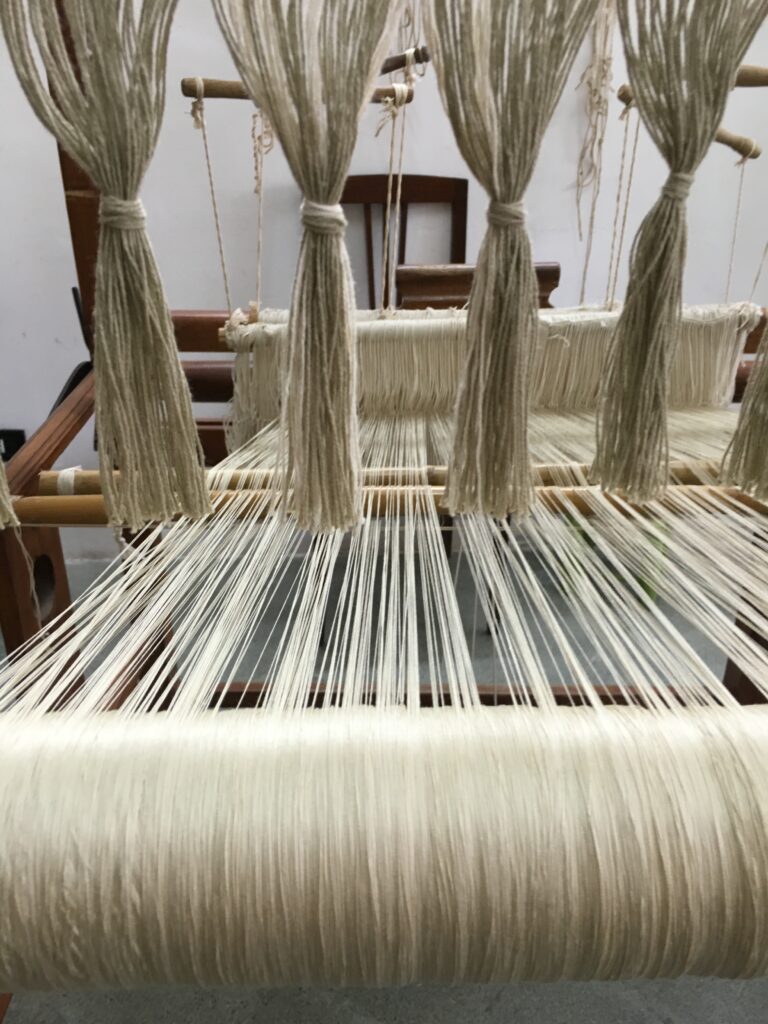
BLU’N ME & TESSITURA LA COLOMBINA
A project that blends Italian creativity and hand-loom craftsmanship
THE CONCEPT: “Contaminations”
A term that in this period has always been associated with something negative, we use it as a push for new creative stimuli. Being contaminated by the quality, high professionalism and history of Tessitura La Colombina had lead to develop very interesting refined pieces.
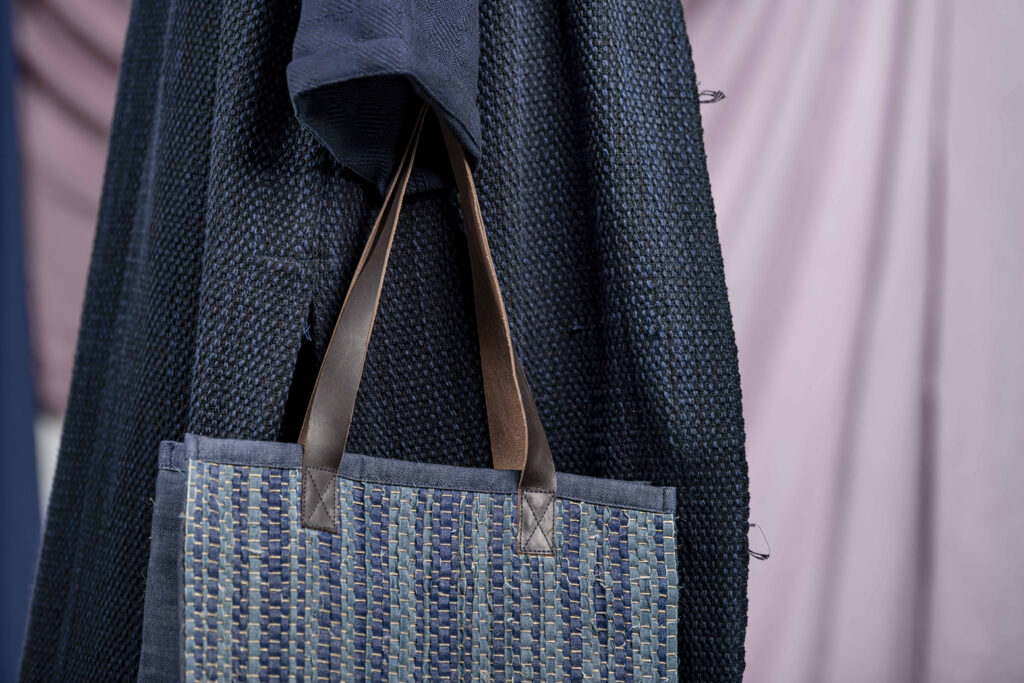
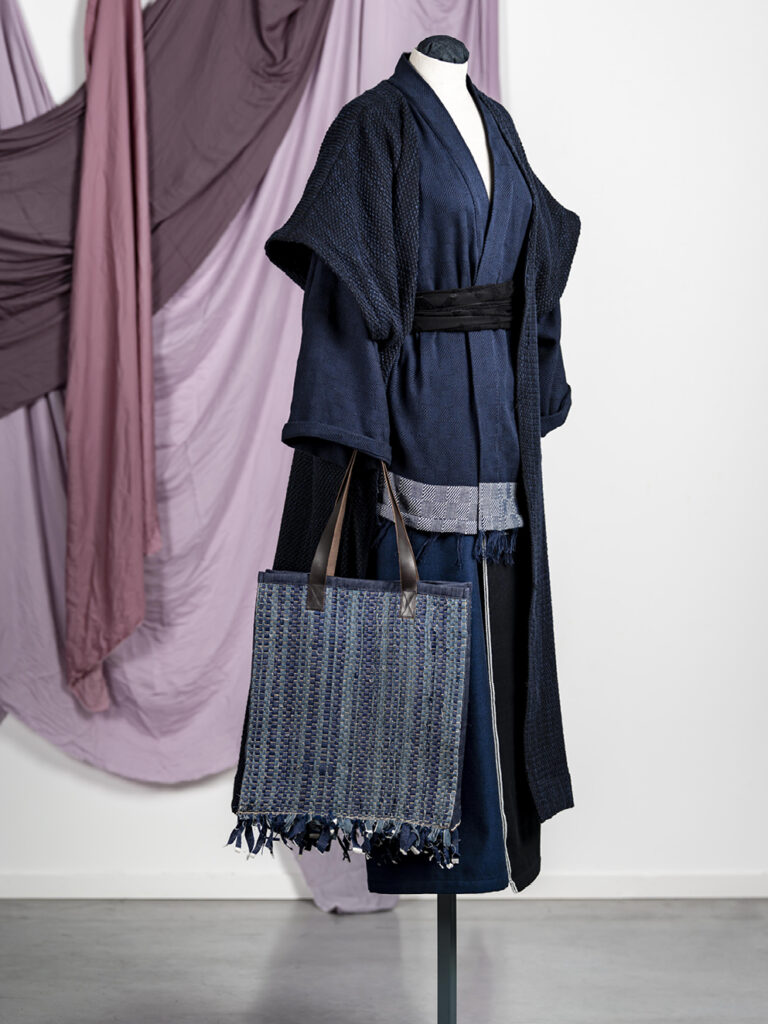
Following our BLU’N ME brand philosophy, the garments and accessories are designed in-house using and re-evaluating each piece to avoid waste, with a unique touch and customized finishes. – Meidea
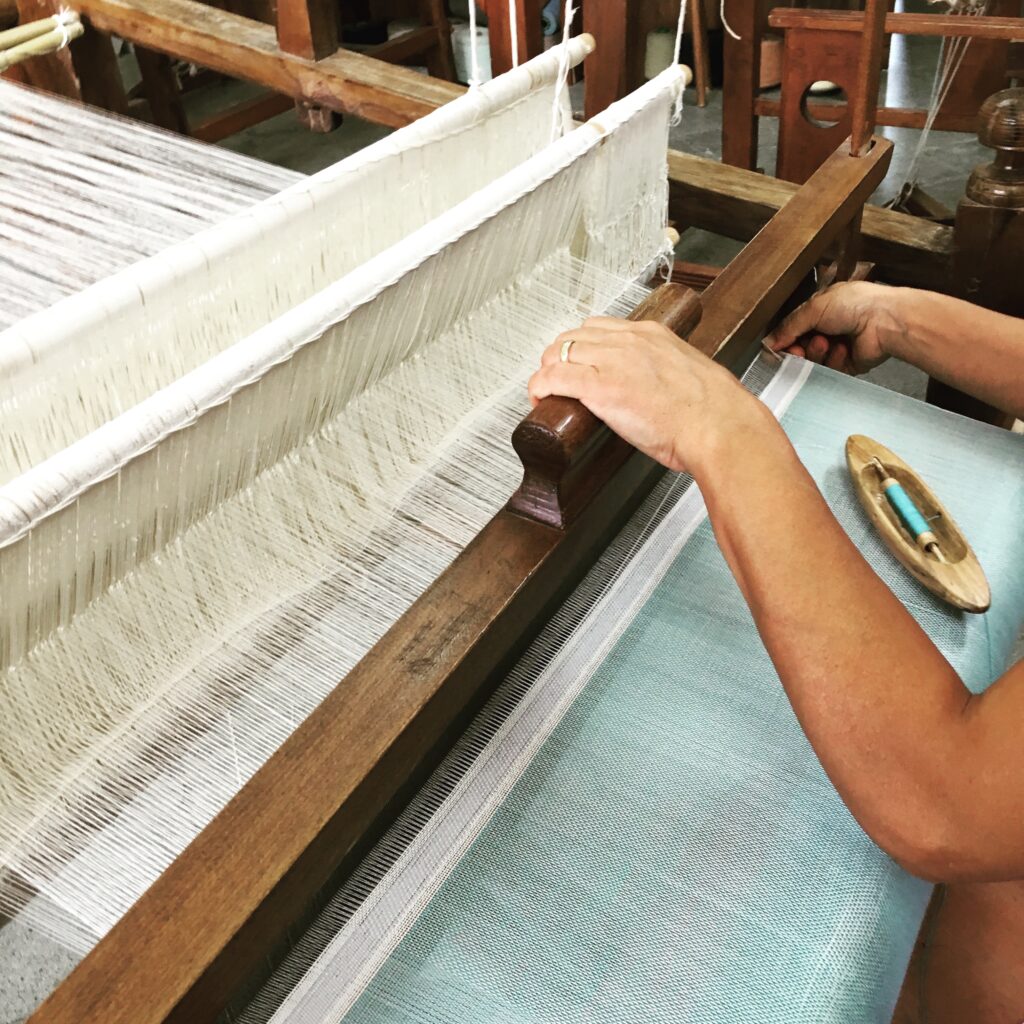
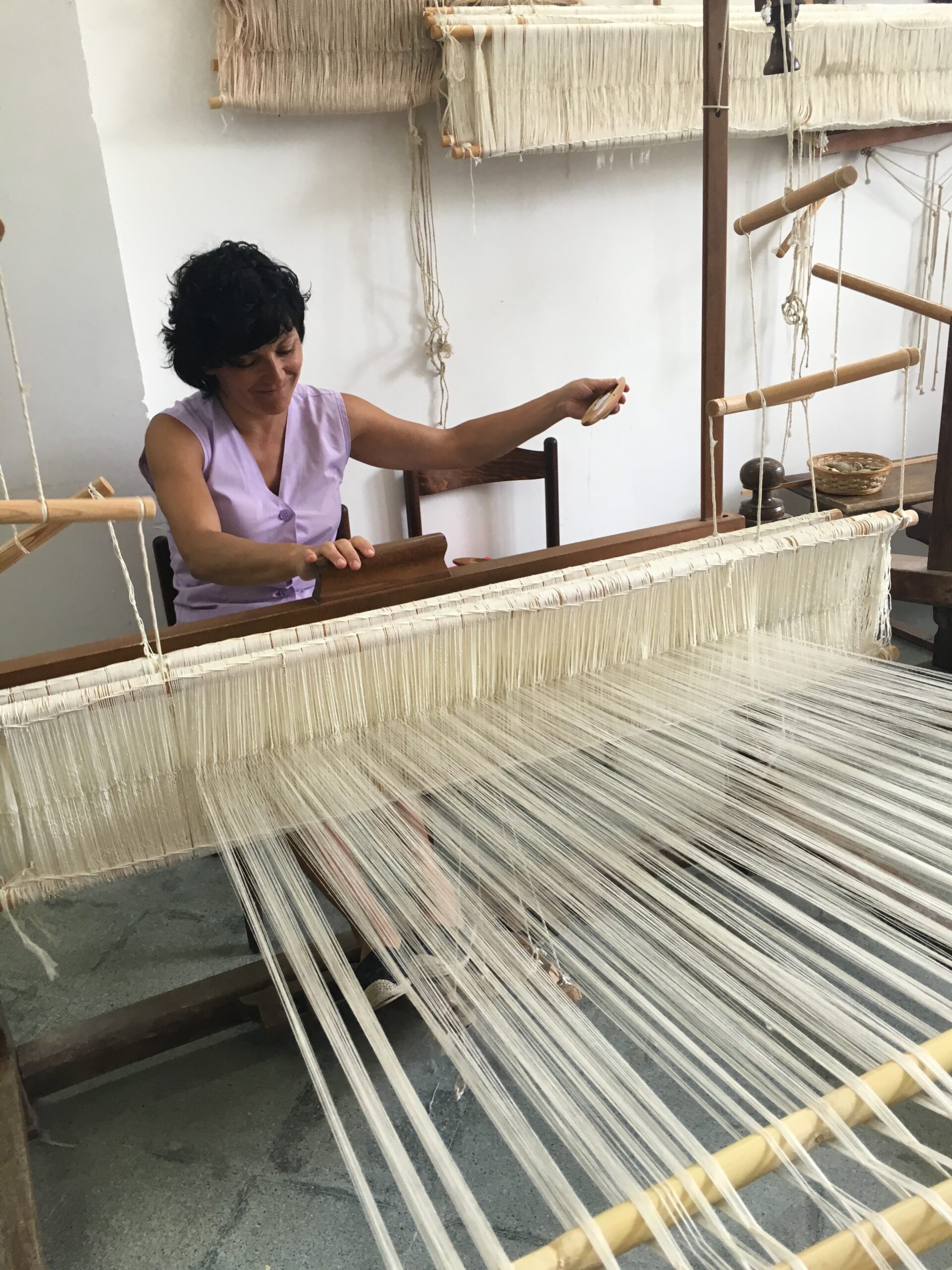
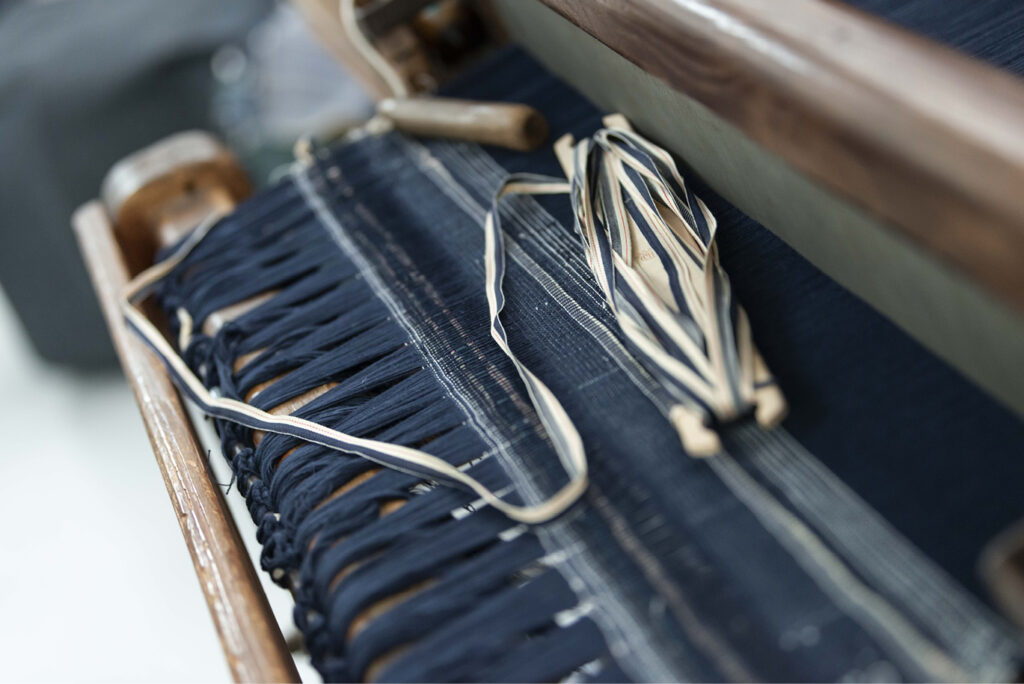
“The wooden looms from the mid-1800s are the heart of our firm; come into to the courtyard and listen to the sound: it is like hearing a heartbeat. There are 14 “orthogonal” hand-looms, which came into the company thanks to the foresight of our grandmother Erina, who wanted to introduce them shortly after the war. We work with our looms to make sure something is not lost and working at the slower pace which we have chosen to produce our textiles today.”
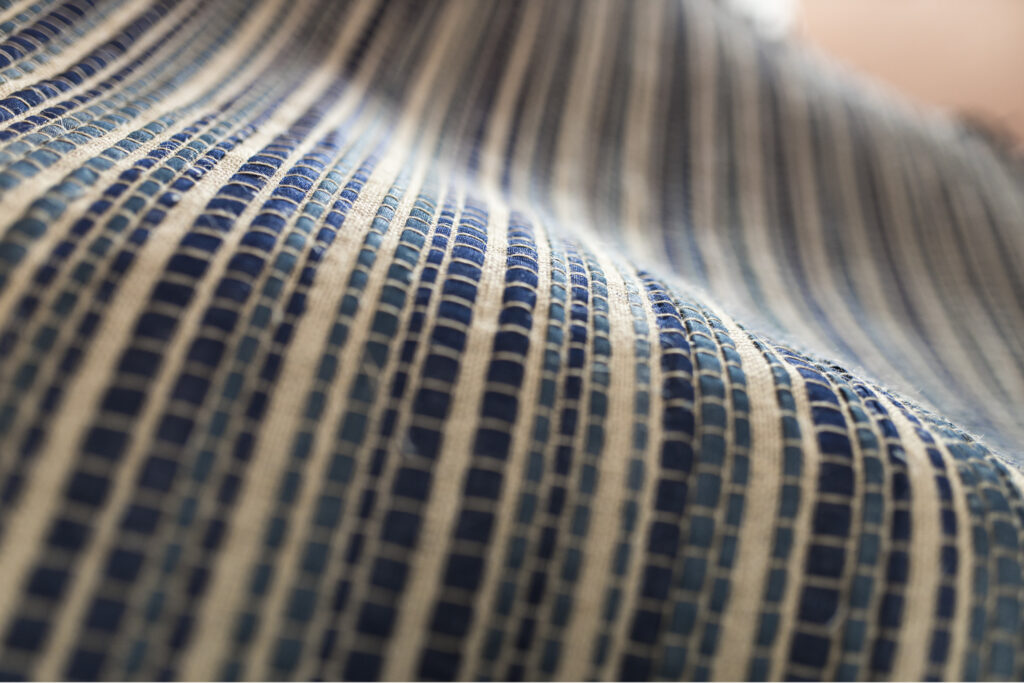
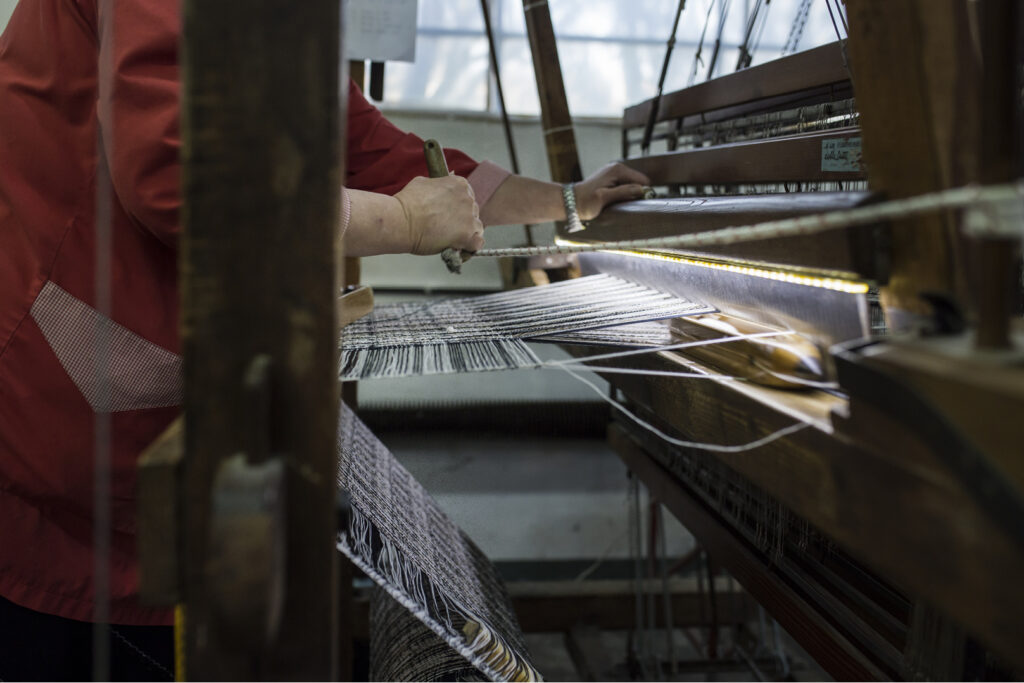
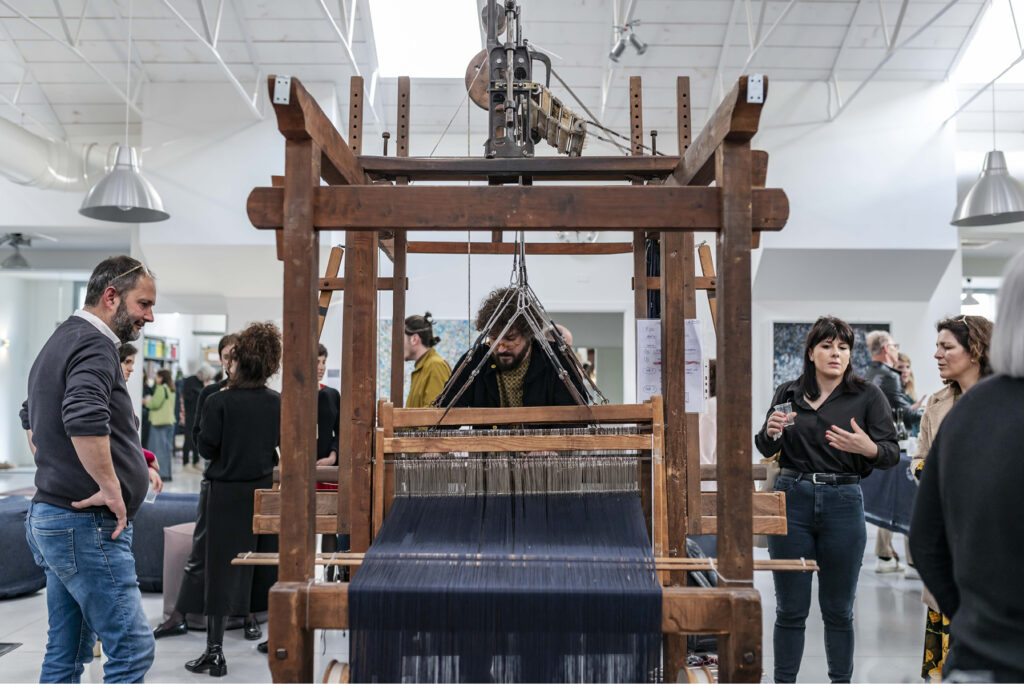
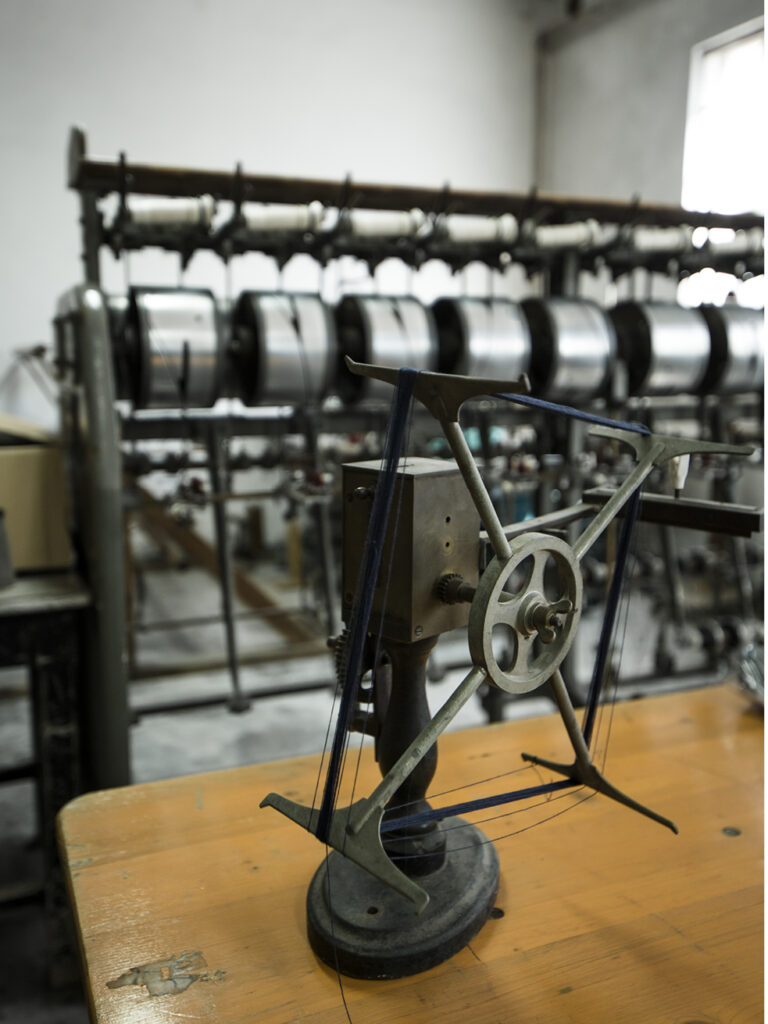
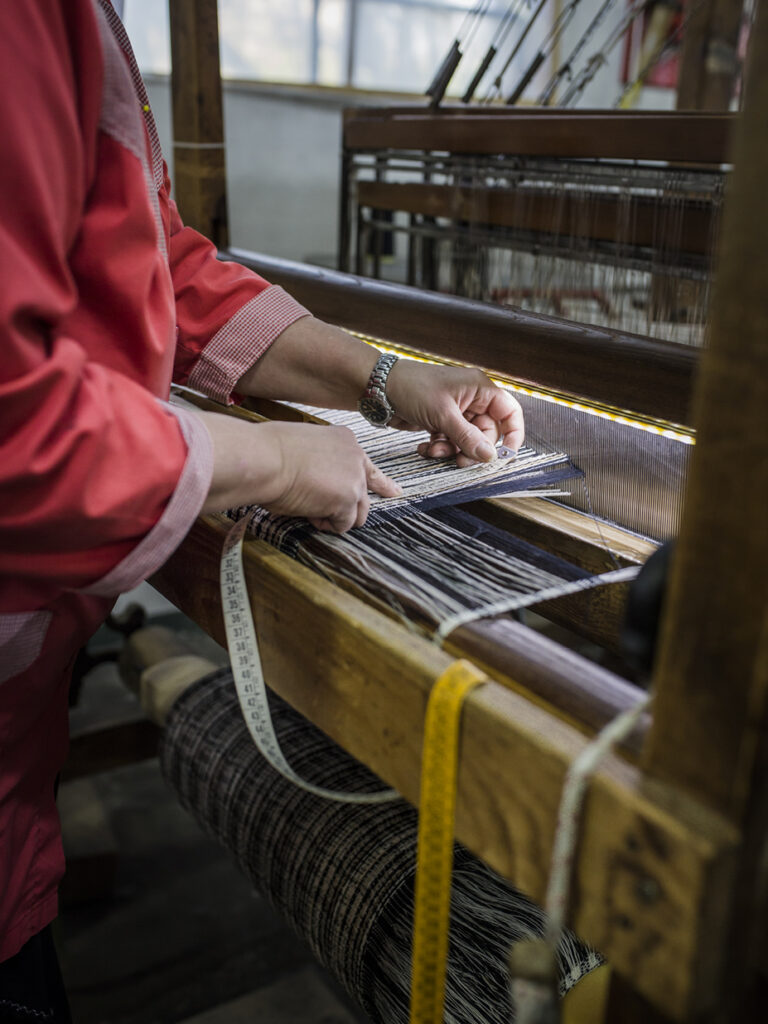
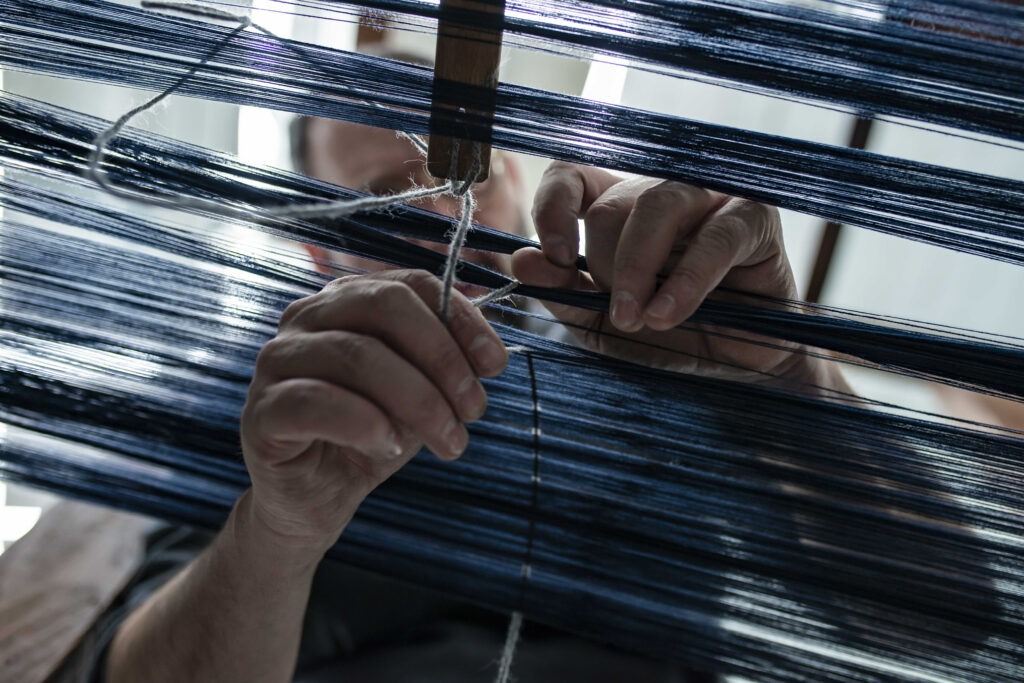
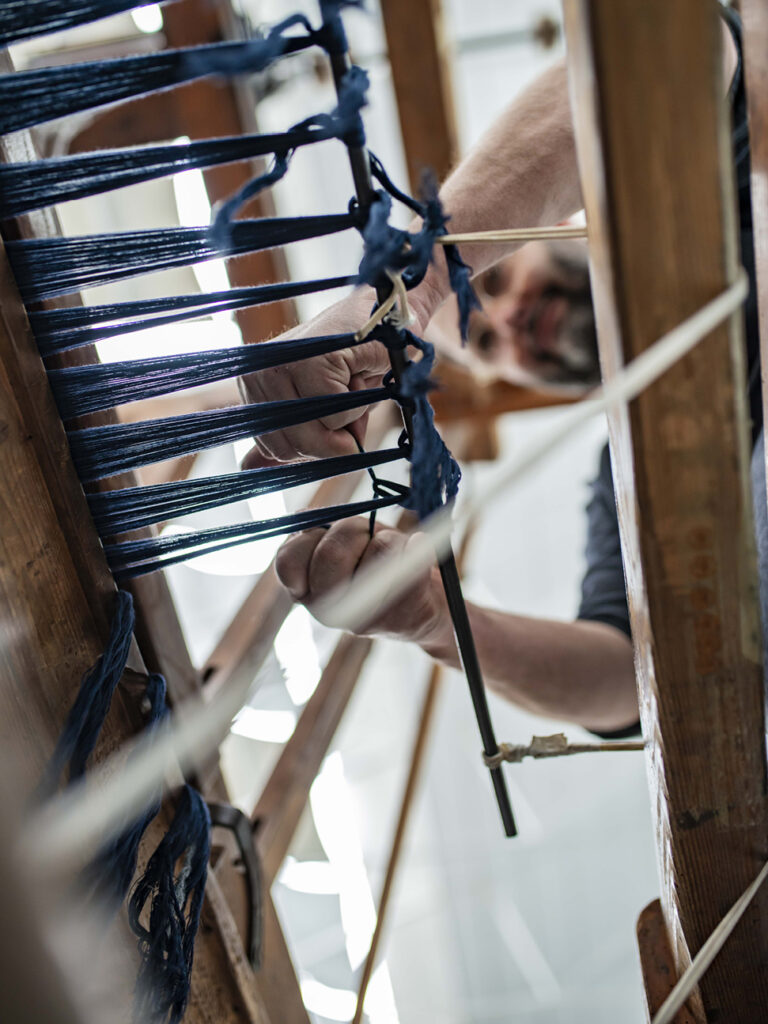
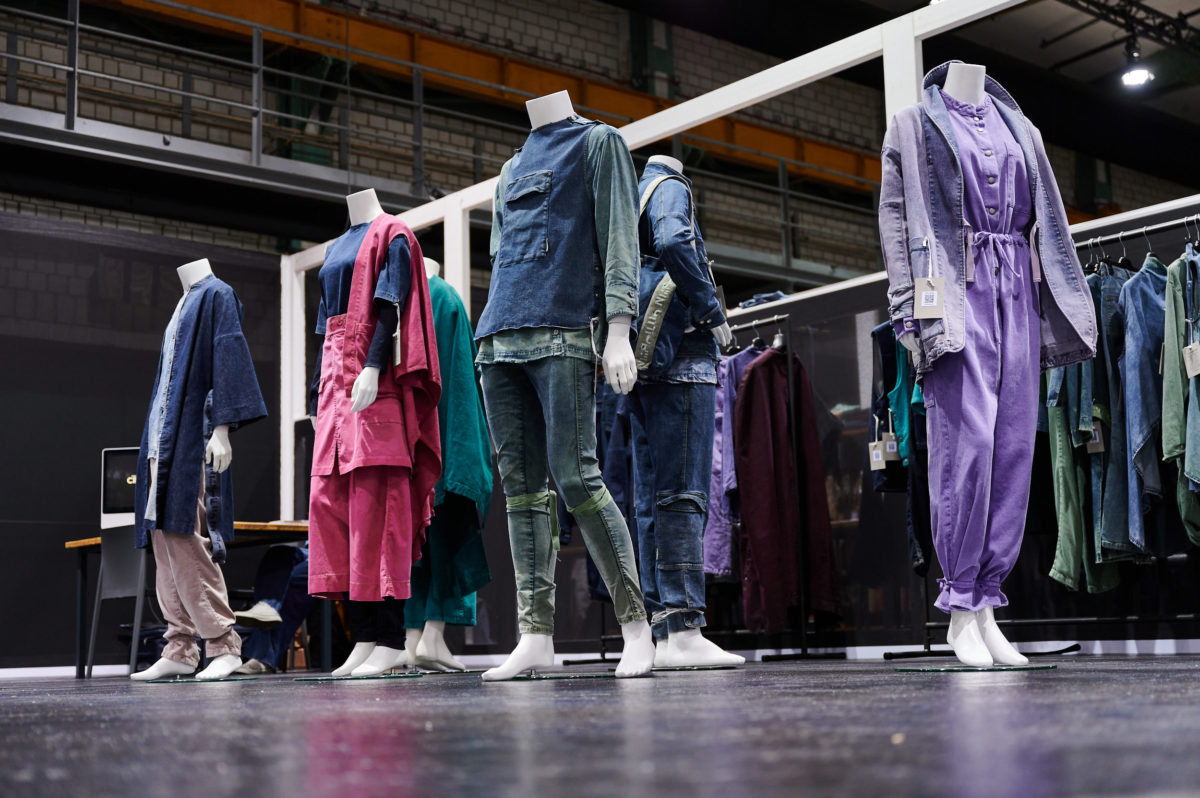
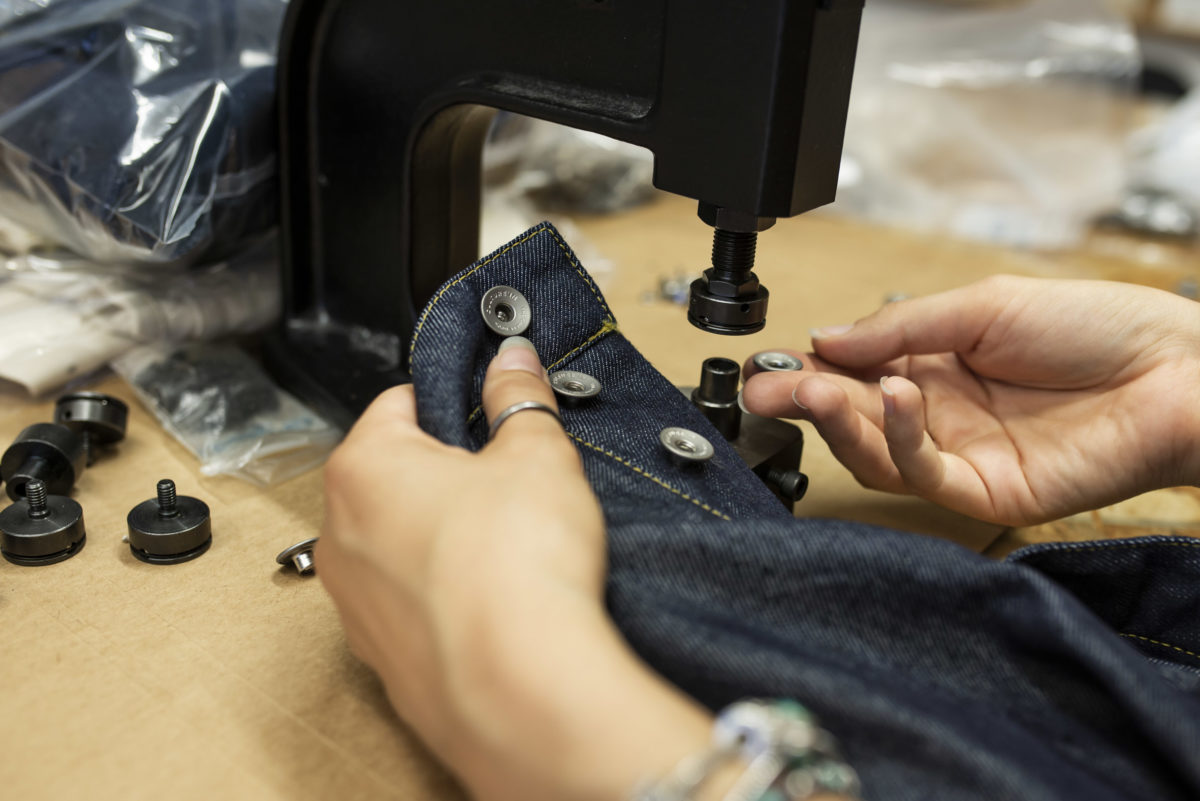
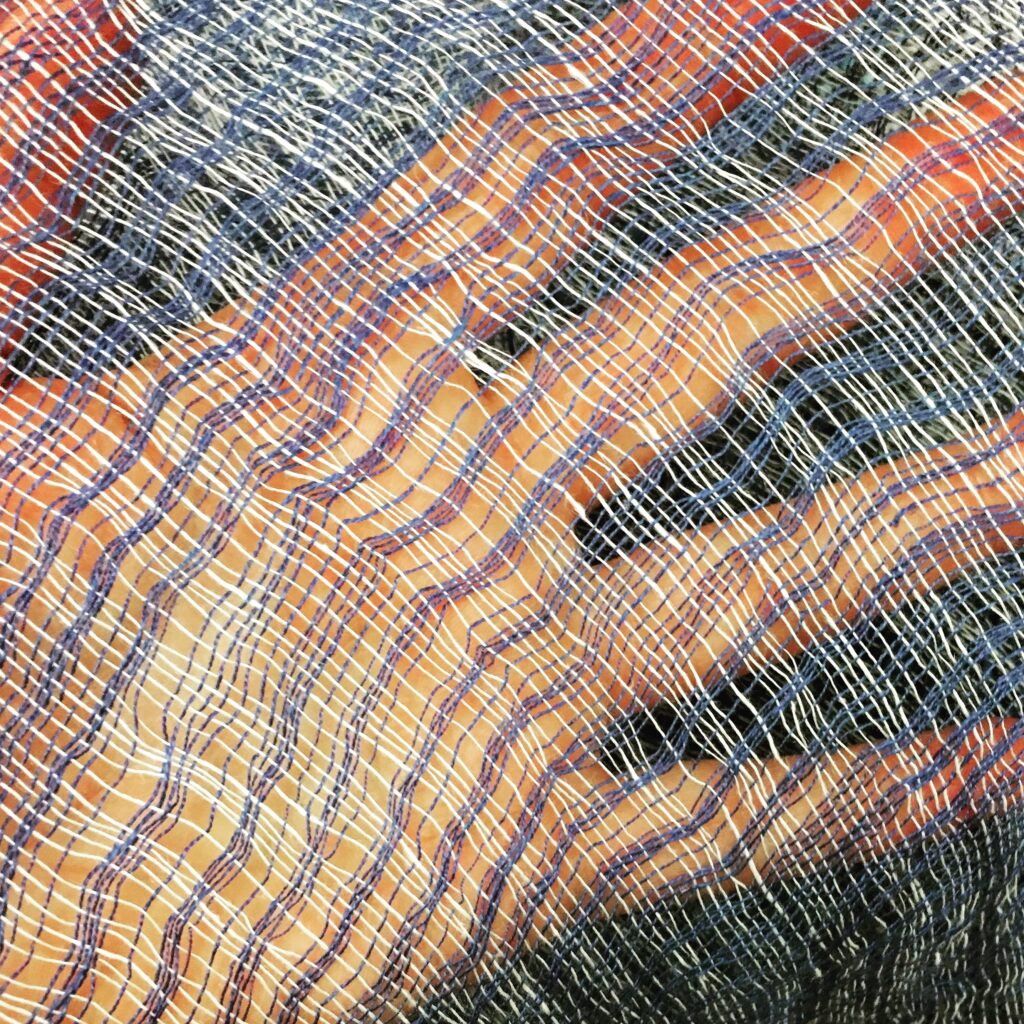
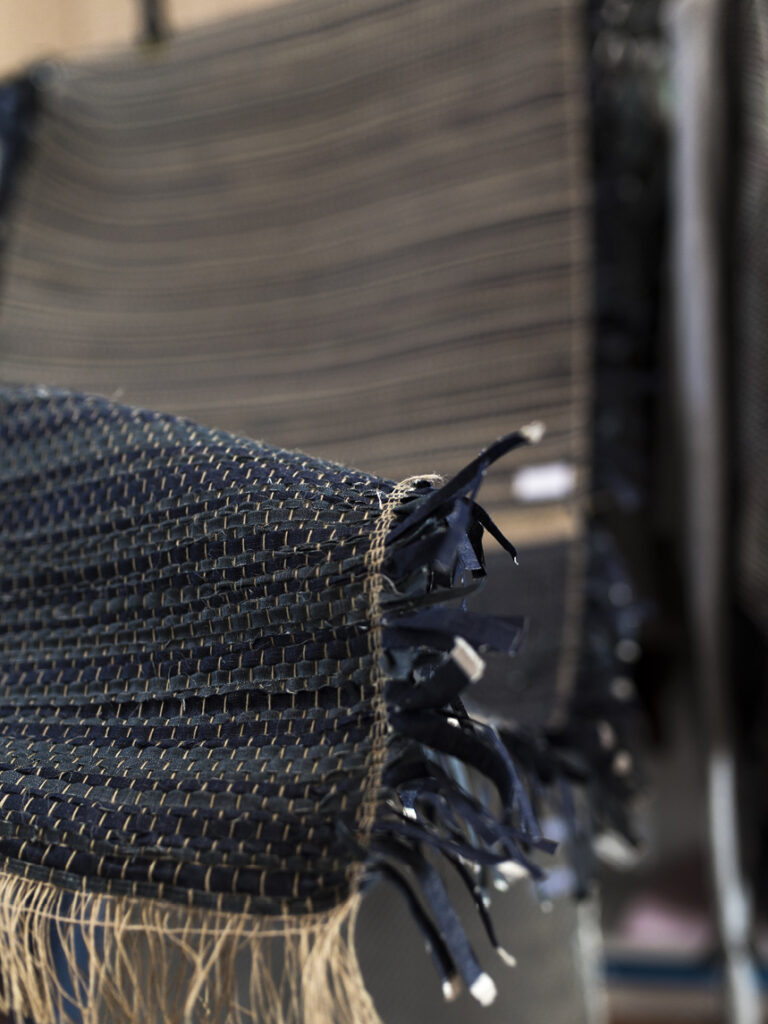
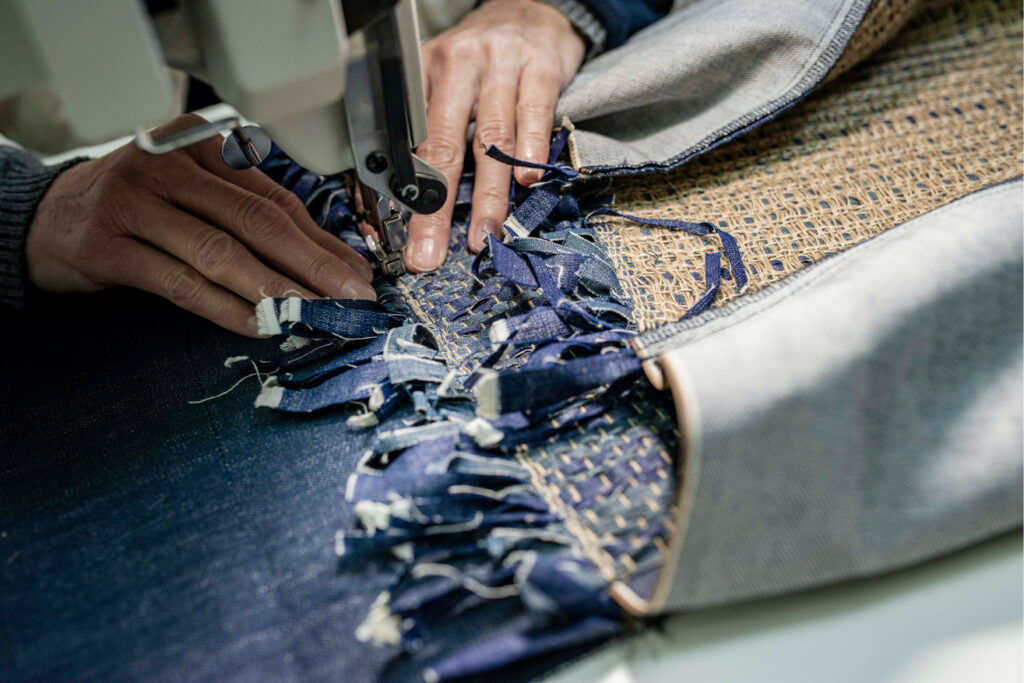
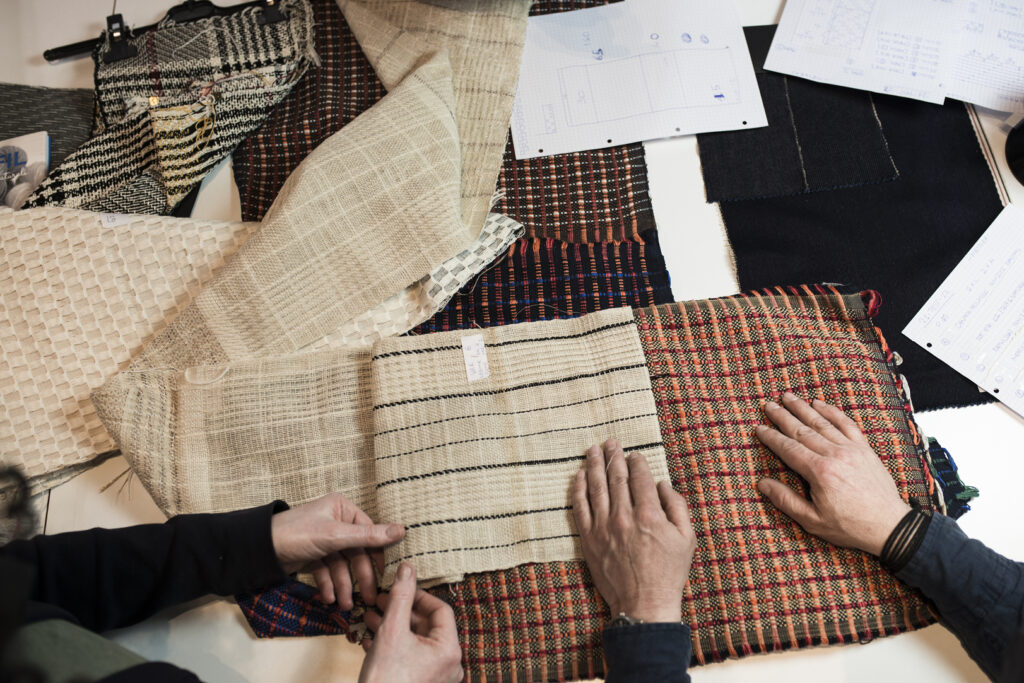
In the pictures: backstage in Atelier, meetings with Tessitura La Colombina Team and the final outfit.
Hand-loom weaving’s return to relevance in international fashion maisons reflects a broader rethinking of what luxury, quality, and innovation mean today. It underscores a shift from mass uniformity to material distinction, from mechanized efficiency to human narrative.
For brands, textile producers, denim mills, and laundries alike, embracing hand-loom weaving offers pathways to: enrich product identity with cultural depth; respond to conscious consumer demand; integrate sustainability into design; co-create with artisan communities.