Traditional craft, innovation, future
Over the past few years, the fashion industry has entered a profound phase of transformation; one that is reshaping aesthetics, materials, production models, and cultural narratives. While technological innovation has accelerated processes and expanded creative possibilities, it is craftsmanship, “the craft”, that has emerged as one of the most influential and strategic drivers of contemporary design.
Across runways, showrooms, fabric fairs, and production facilities, traditional craft techniques are experiencing a remarkable revival. Shibori, Batik, hand-loom weaving, artisanal finishing, natural dyes, ancestral patterns, and upcycling practices are now core components of collections ranging from luxury maisons to niche designers and premium mass-market brands like COS (2024), which last year collaborated with Tabata Shibori.
Craft today is not a nostalgic return to the past. It is a forward-looking approach that redefines the relationship between material, human touch, and innovation: activating new opportunities for brands, textile producers, denim mills, and laundries.
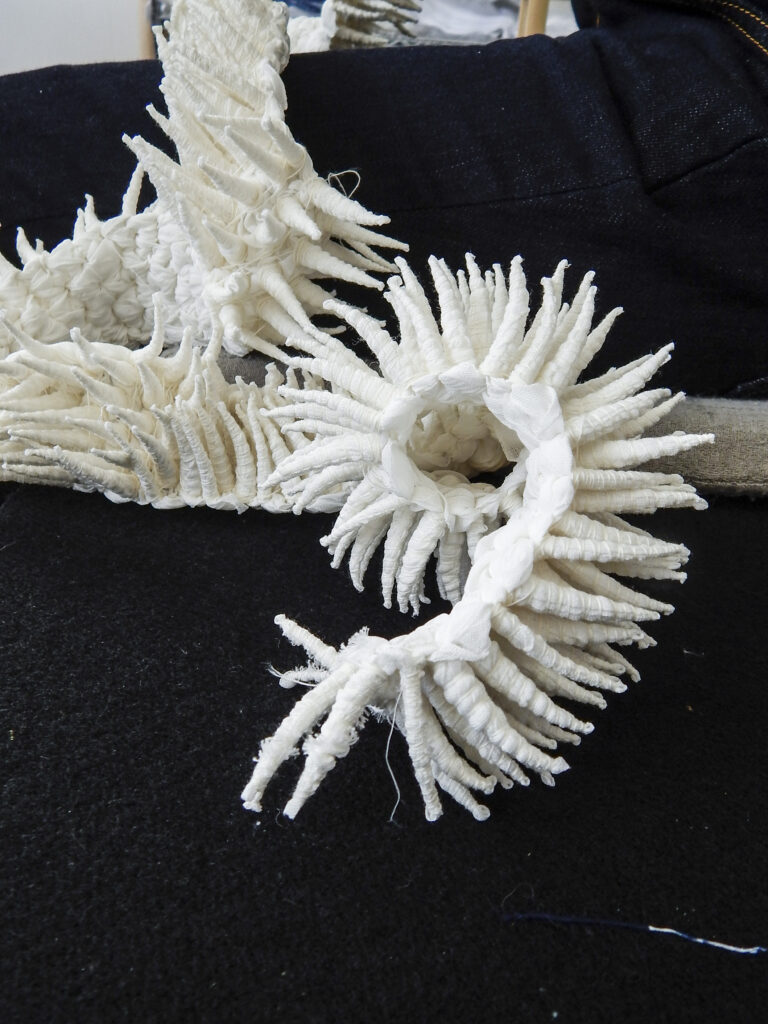
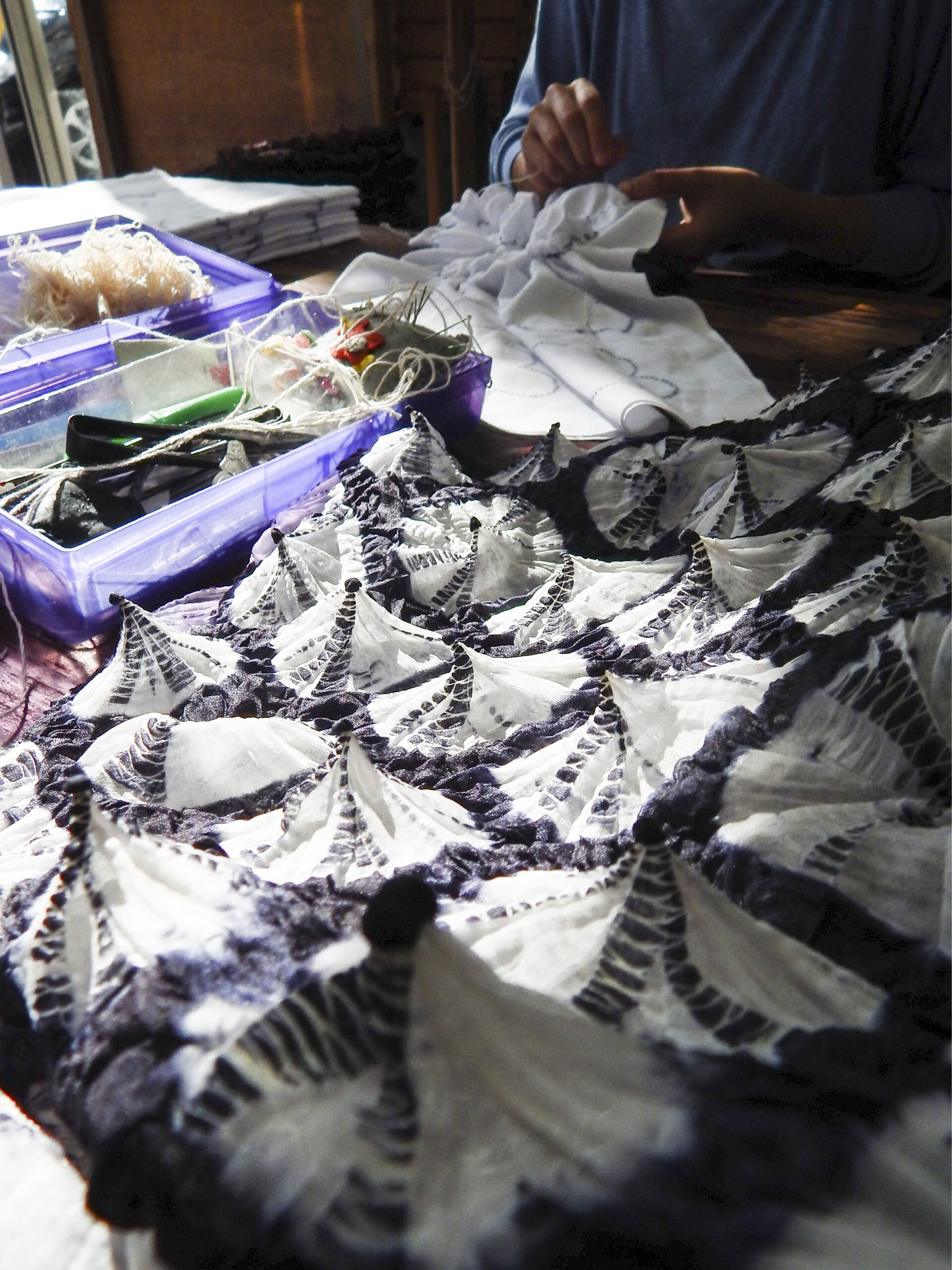
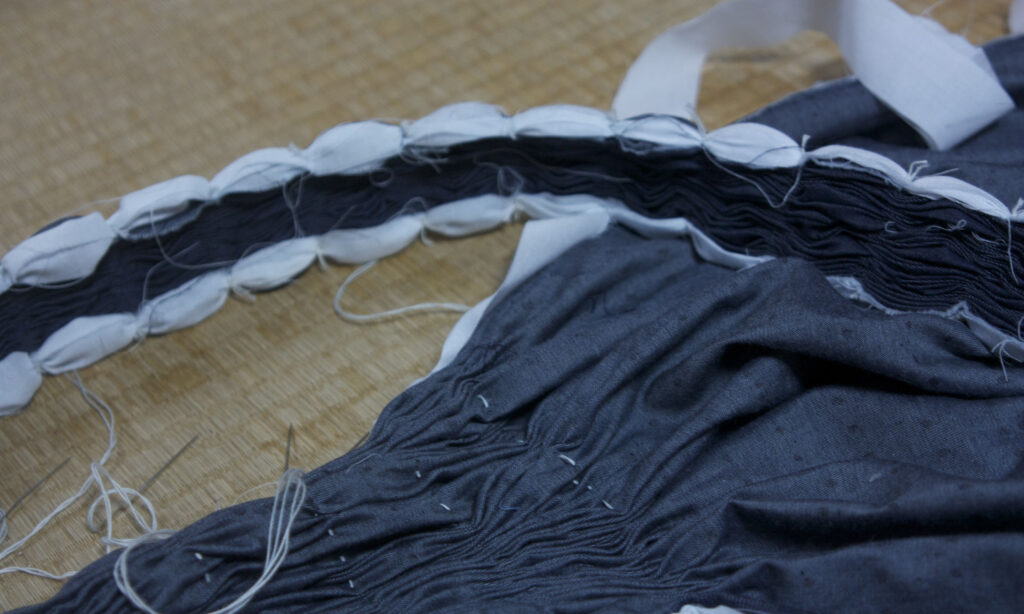
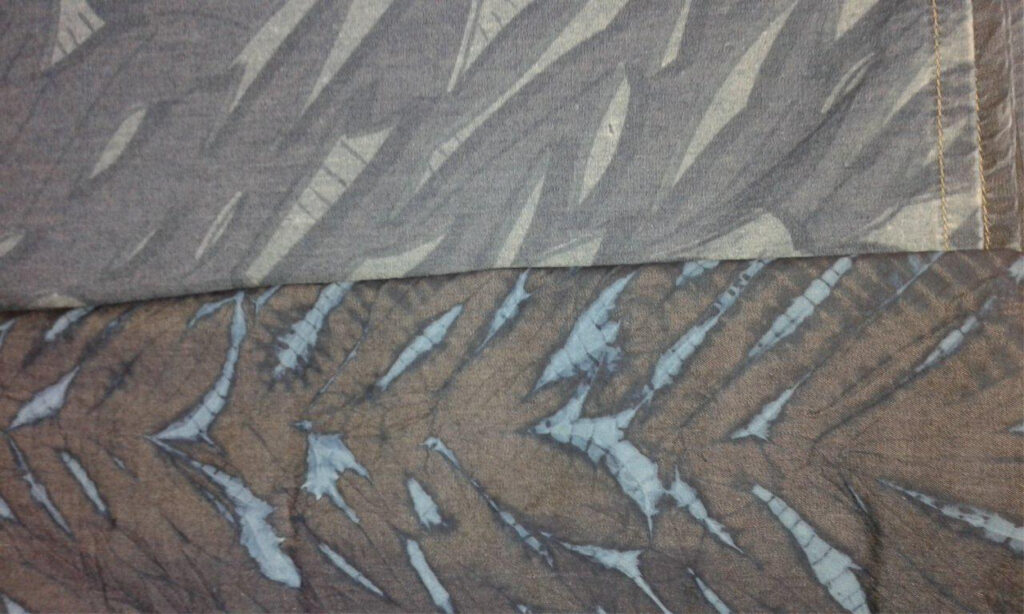
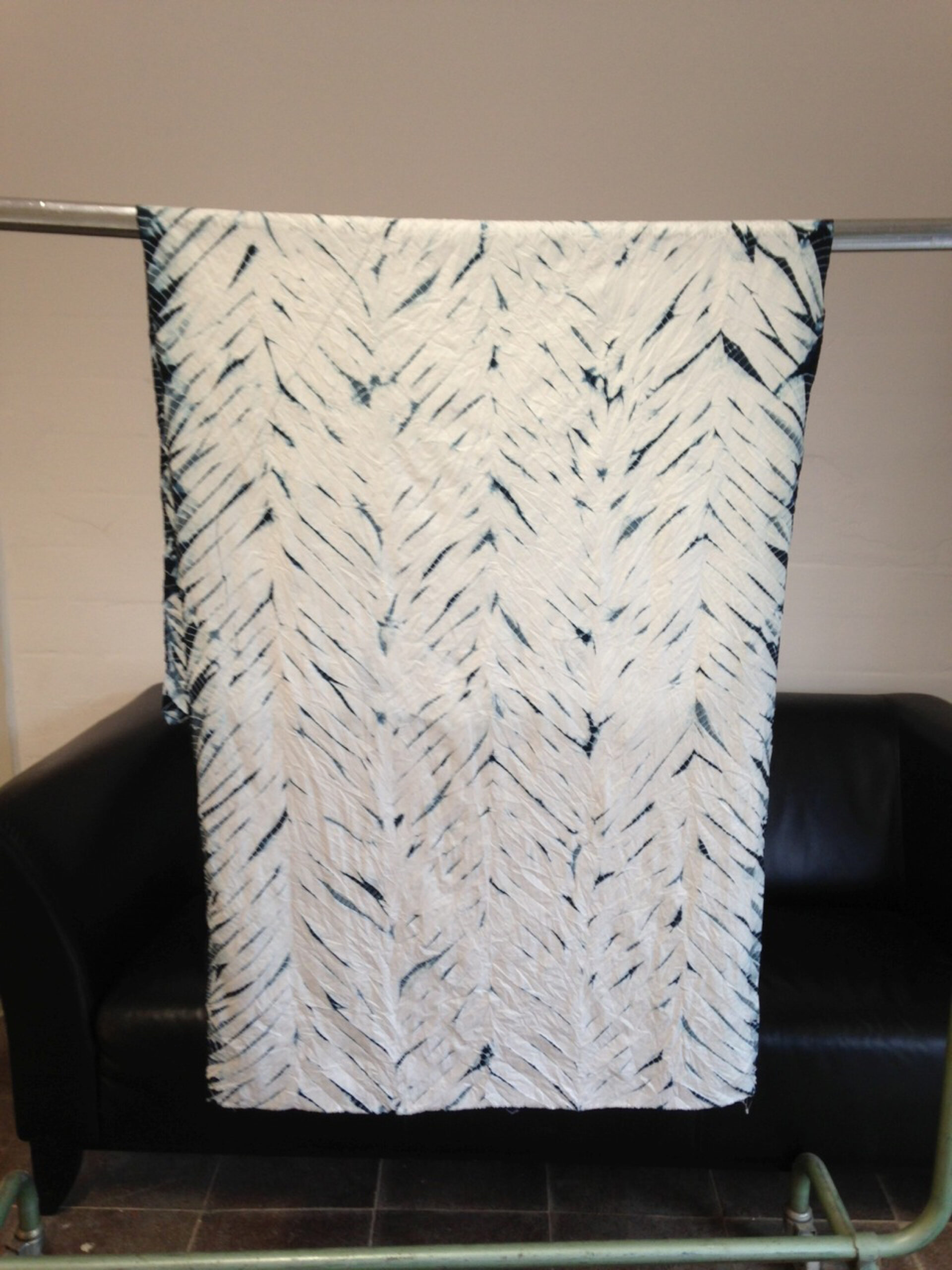
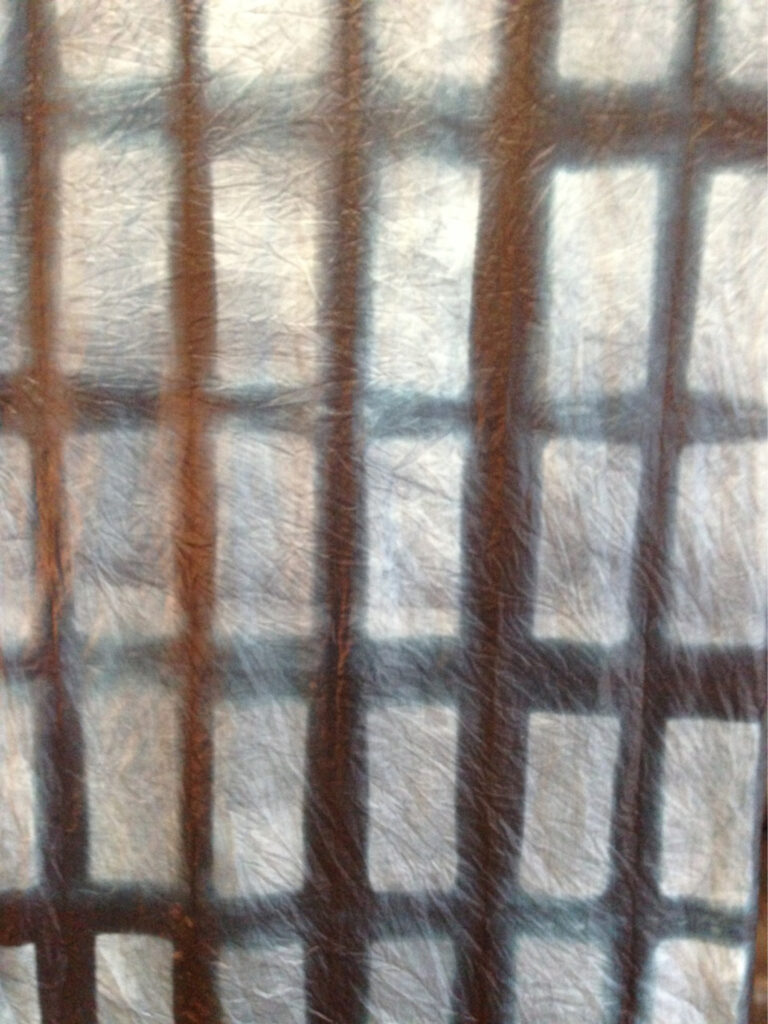
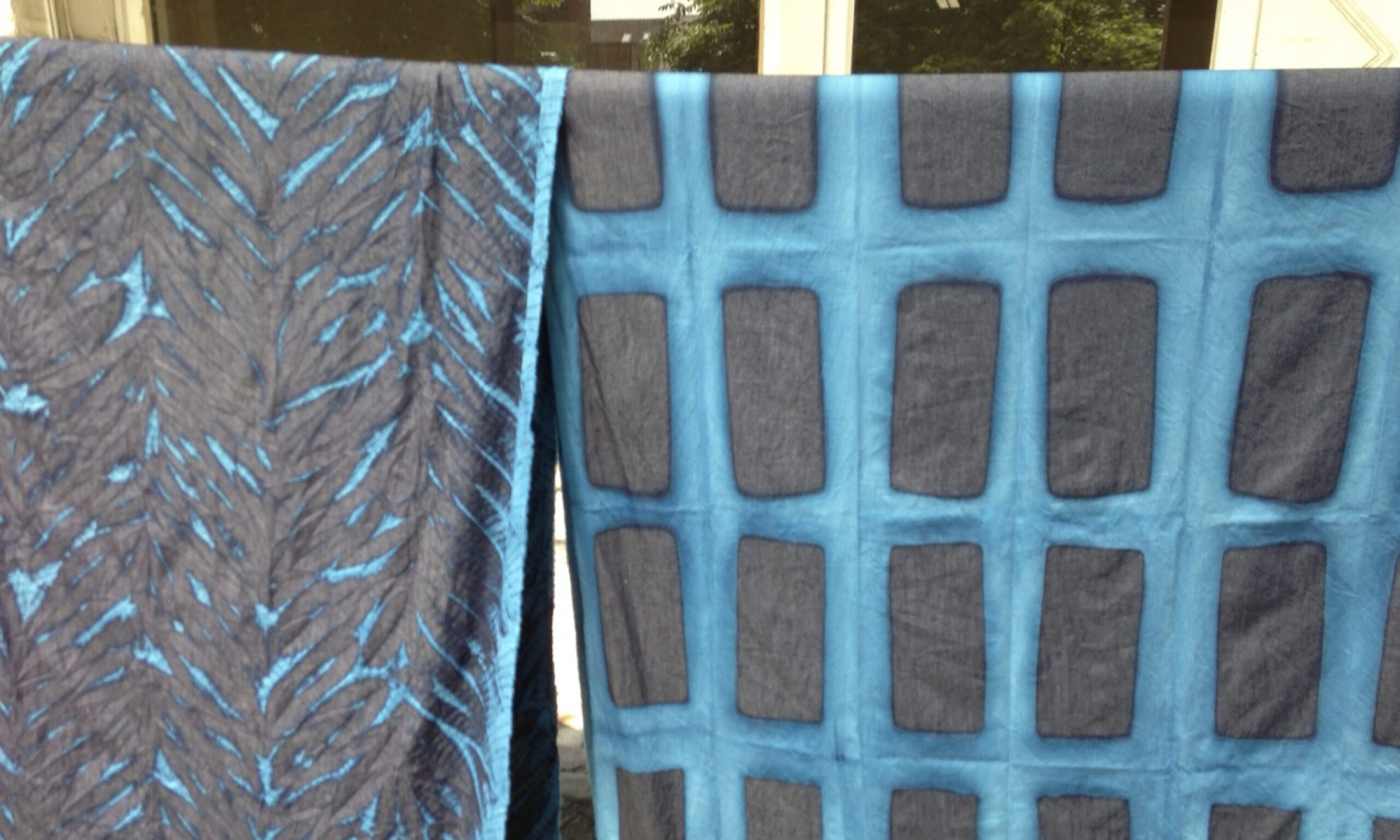
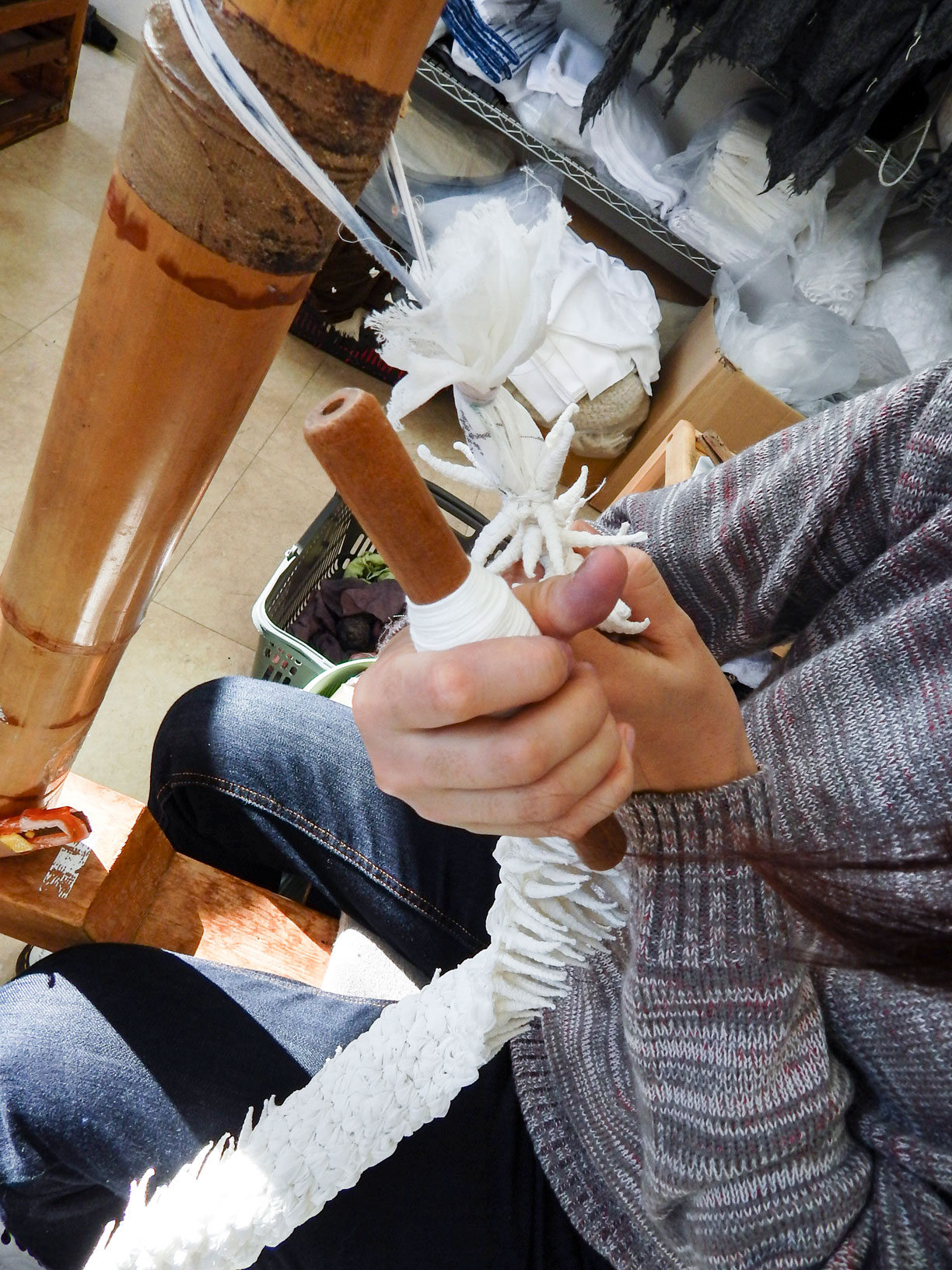
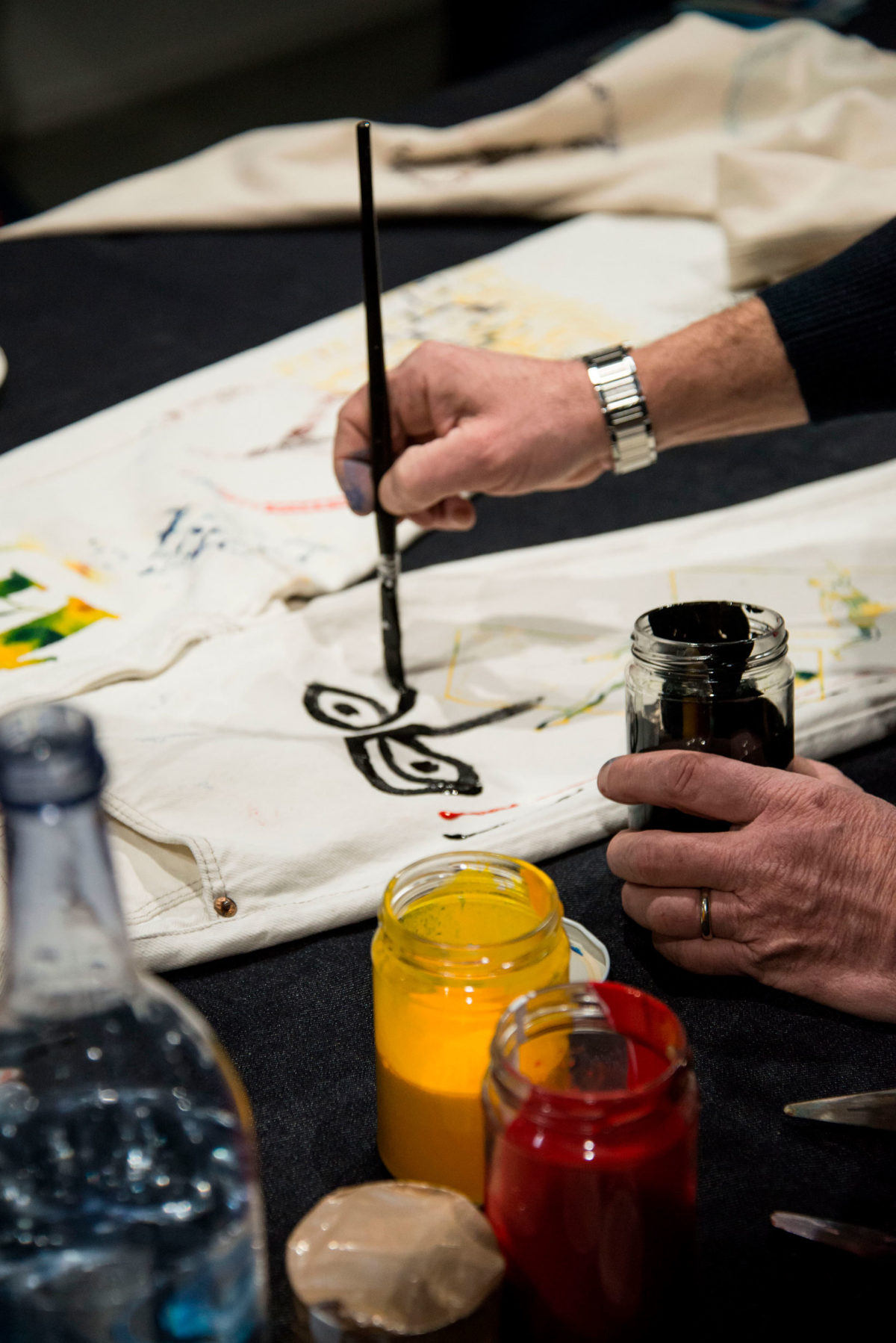
In the photos: Shibori Workshop with Hiroshi Murase – Arimatsu, Japan
The contemporary Shibori: where Japanese Heritage Meets Textile Innovation
Shibori is an ancestral Japanese resist-dye technique based on folding, binding, compressing, or stitching the fabric before dyeing. The result is a unique organic pattern, always different, always expressive.
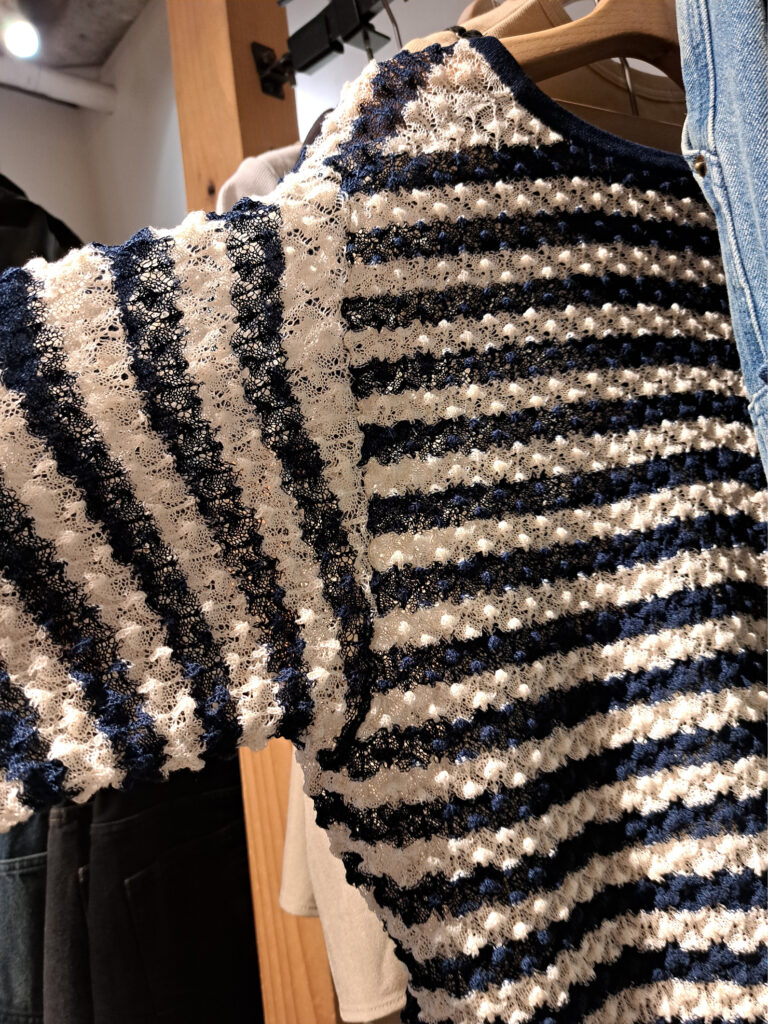
In nowadays, this technique is appearing in major fashion weeks and in collaborations between high-street brands and traditional artisans. Designers are embracing the Japanese resist-dyeing technique for its unique, artisanal aesthetic, sustainable qualities, and 3D textures.
Notable designers who have previously used Shibori in their lines include Vera Wang, Ralph Lauren, and Diane Von Furstenberg.
This type of dyeing fits perfectly with an increasingly popular trend on contemporary runways, the aesthetic of imperfection, connected to the philosophy of wabi-sabi: finding beauty in imperfection and naturalness. This aesthetic embodied by the Shibori technique, often characterized by irregular patterns, offers a stark contrast to the highly refined and curated world of modern fashion.
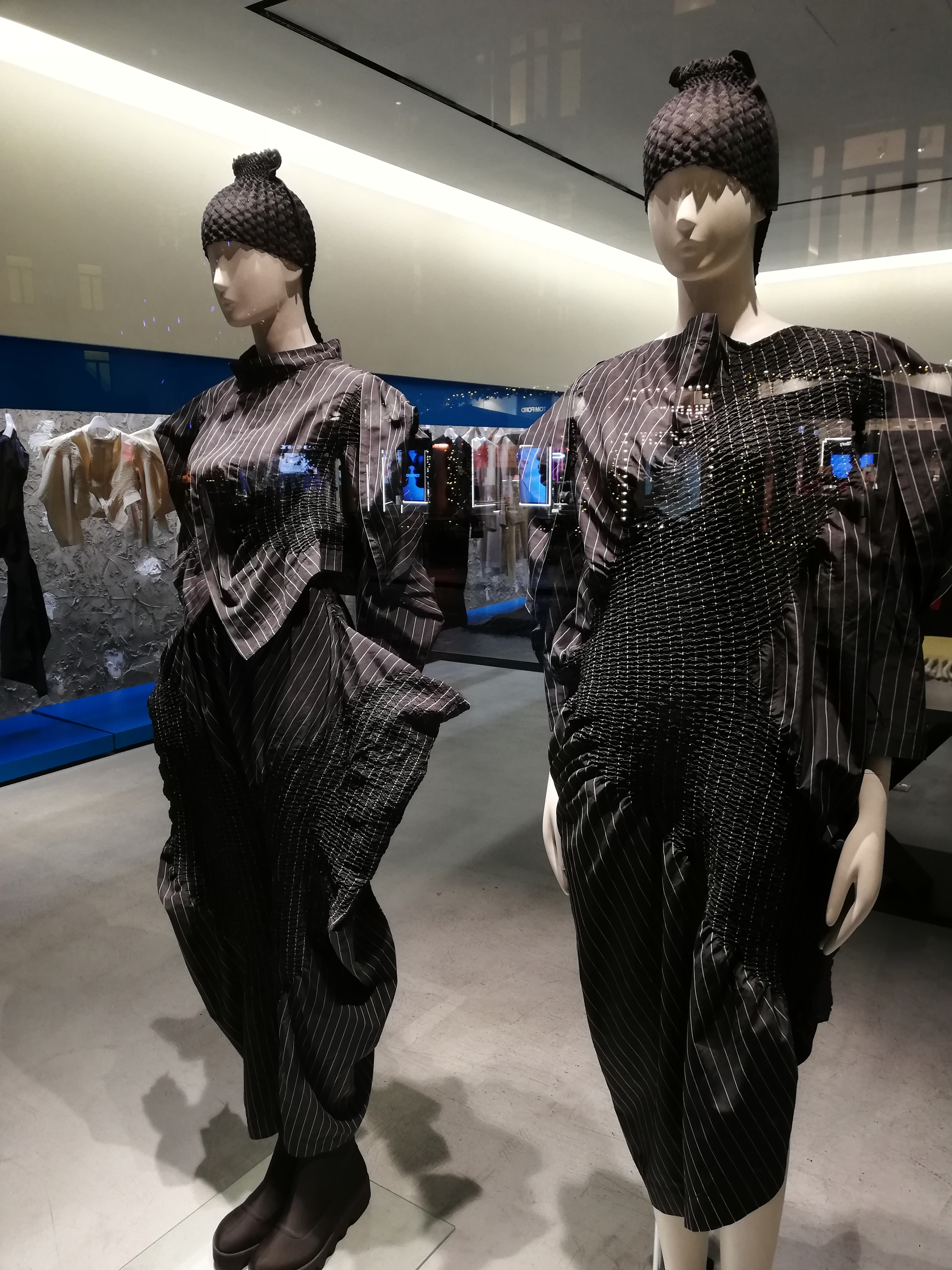
In addition to the traditional indigo dyeing, well known for its deep-rooted tradition in this technique, contemporary designers are exploring Shibori with various colors, materials (silk, organza, denim), and garment types, from flowing caftans to structured corset dresses.
Why it matters today?
- compatible with natural dyes
- visually rich and highly customizable
- ideal for premium capsules and artisanal-inspired collections
The Evolution
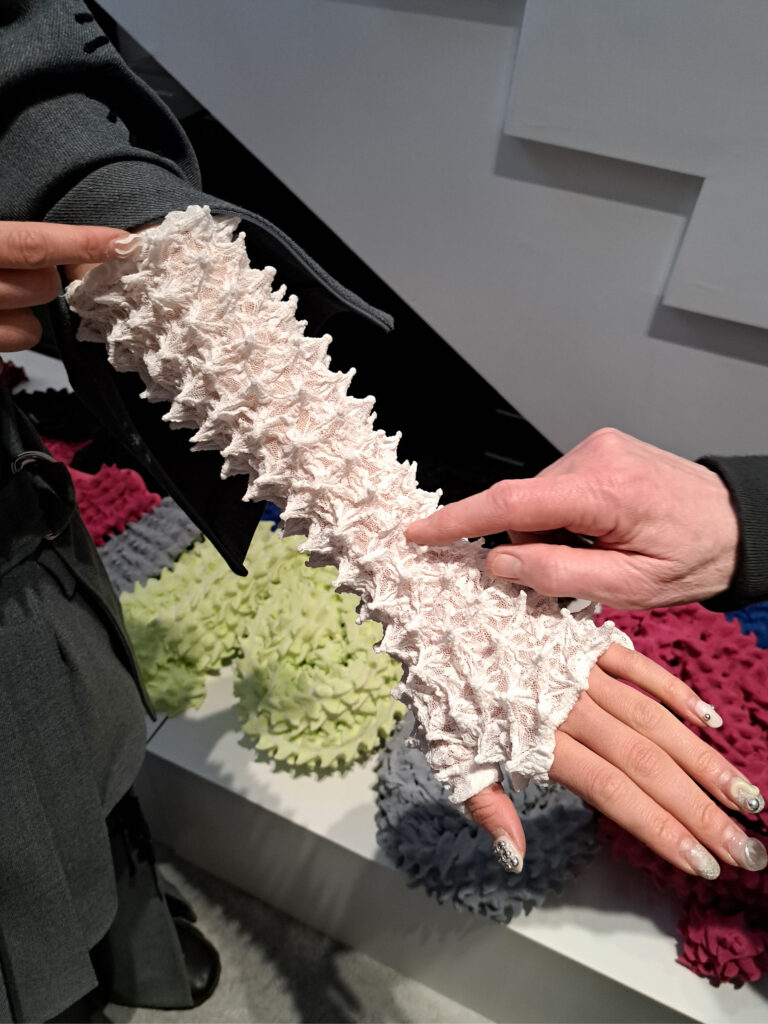
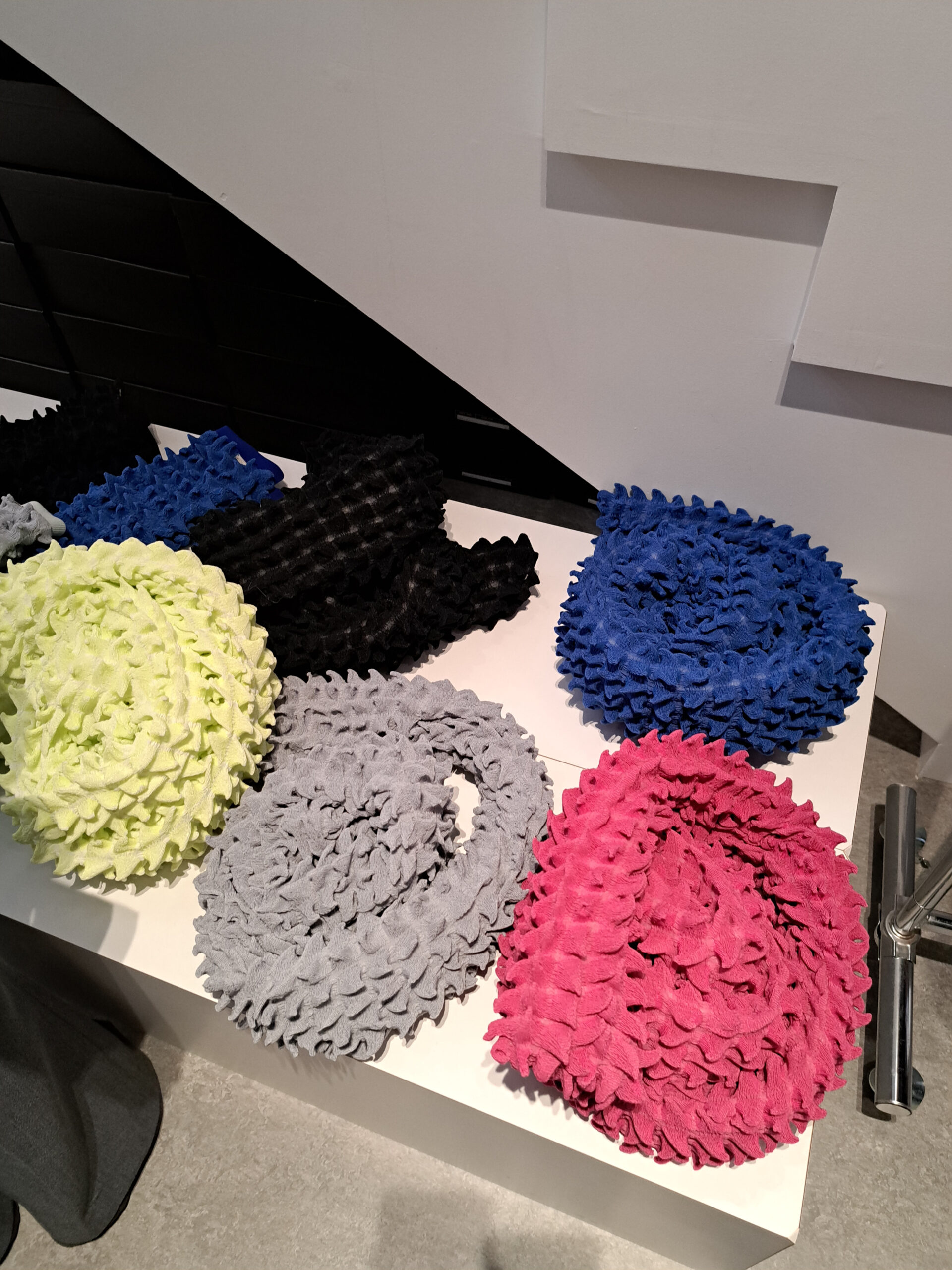
The contemporary evolution of this ancient technique is 3D Shibori which transforms its logic into three-dimensional surfaces. Designers and textile innovators experiment with thermoplastic manipulation add permanent texture and shape to fabrics, creating permanent “memories on cloth” to give sculptural volumes to the fabrics.
3D Shibori combines craftsmanship, innovation, and experimental surface design, offering textile companies and brands new possibilities for unique fabrics and impactful fashion storytelling.
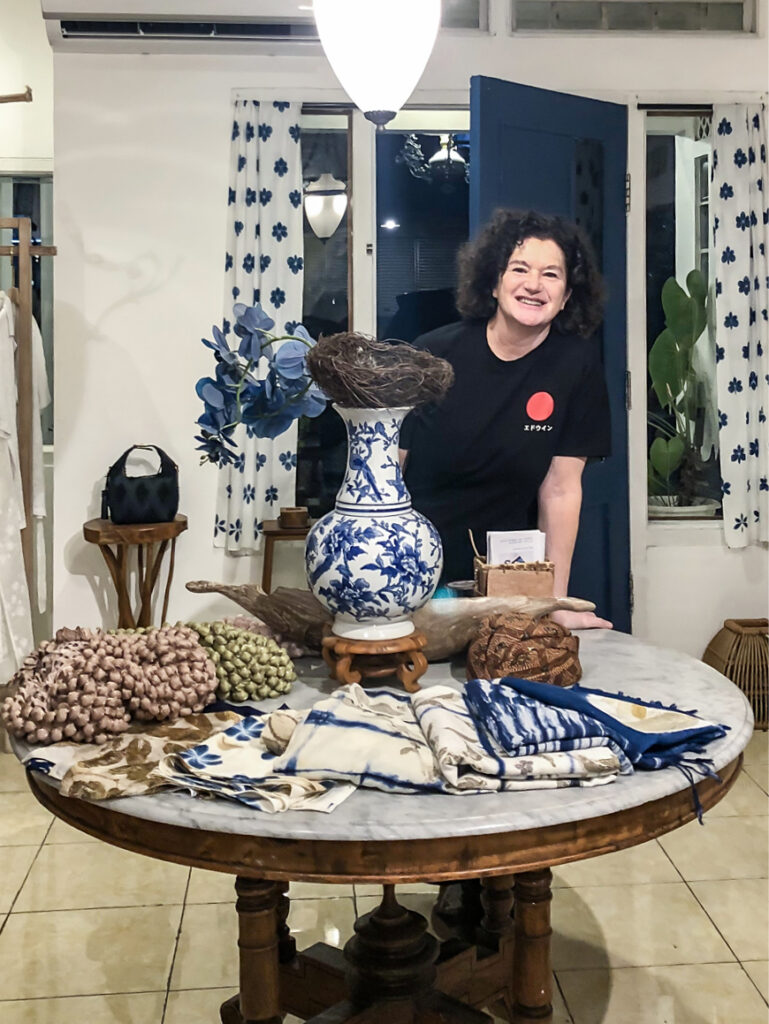
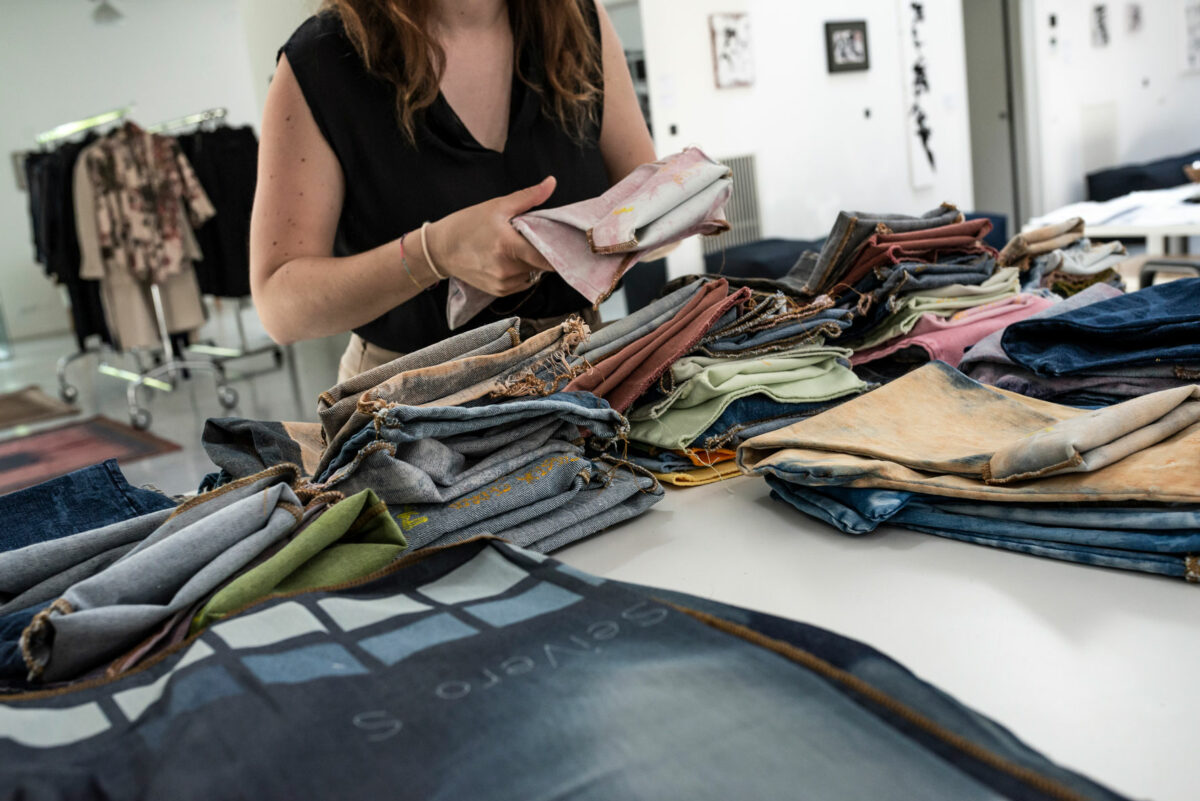
In the photos: Lucia Rosin at Boolao Studio atelier, Indonesia.
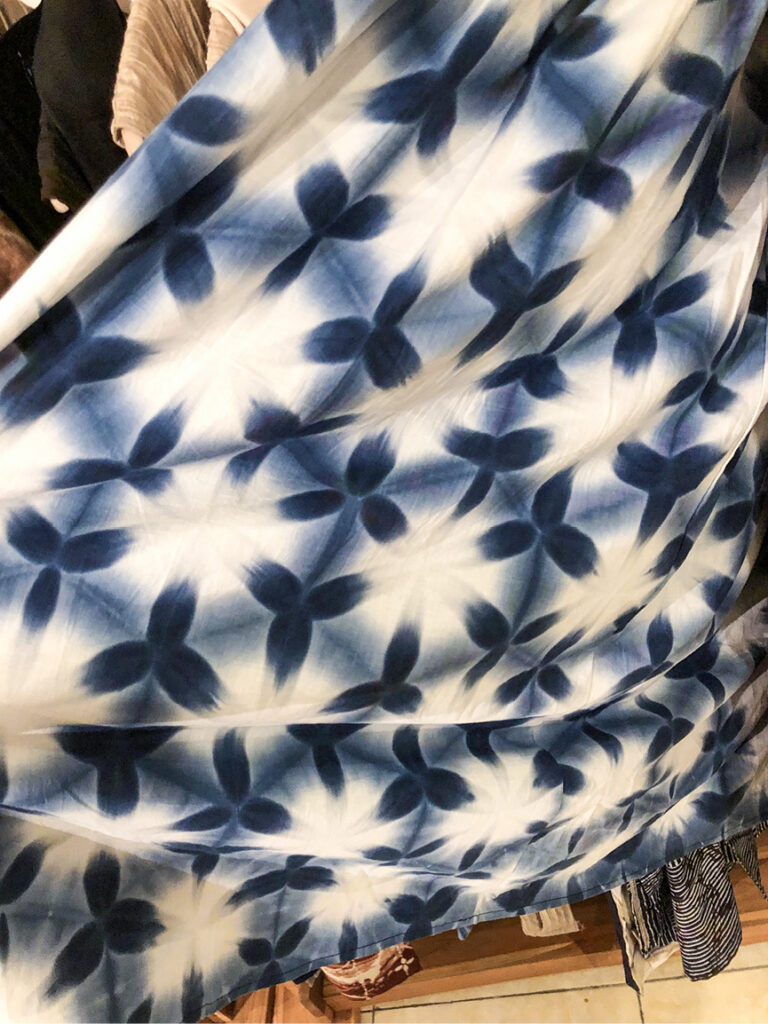
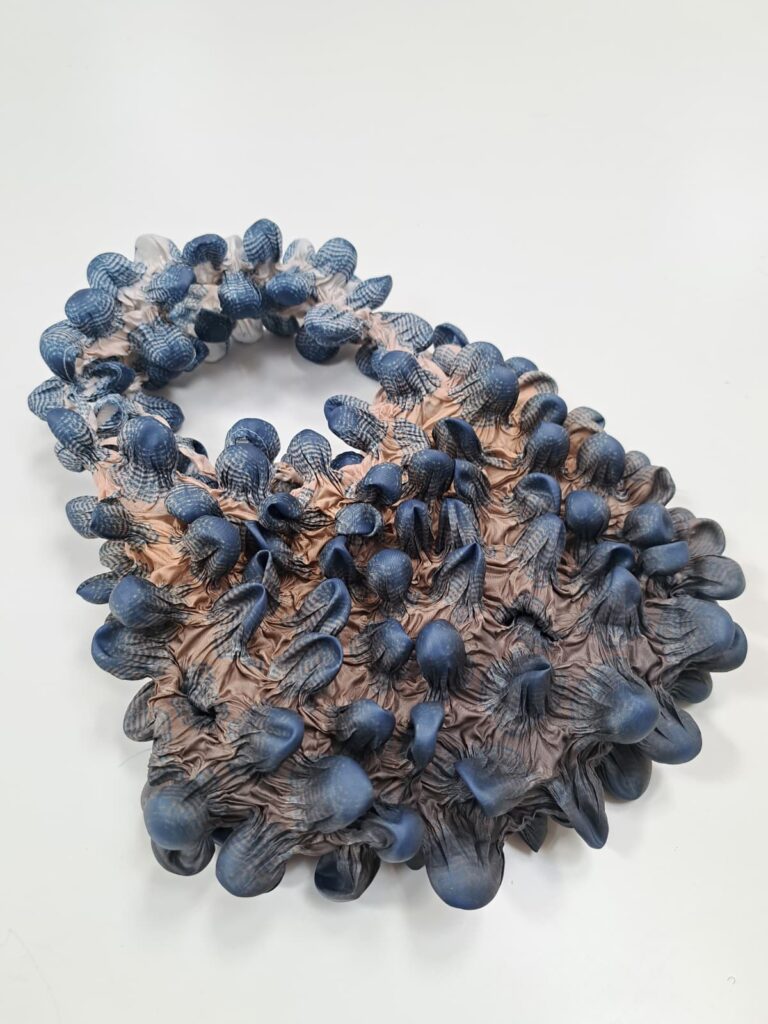
In the picture: Bag by Boolao Studio atelier, Indonesia.
The application of Shibori in denim industry
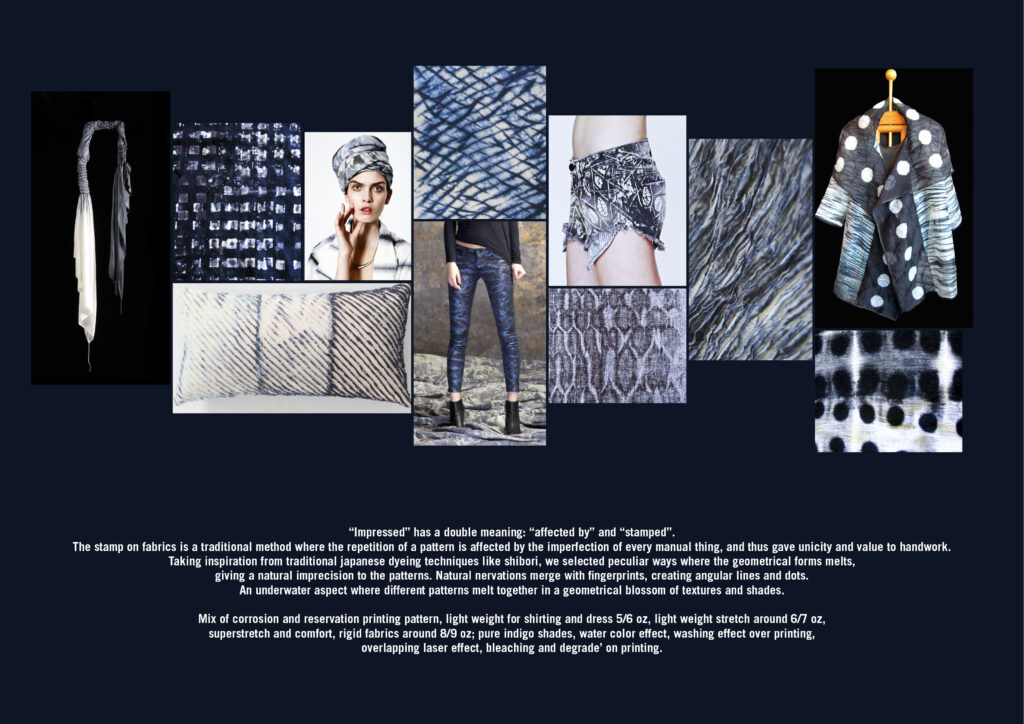
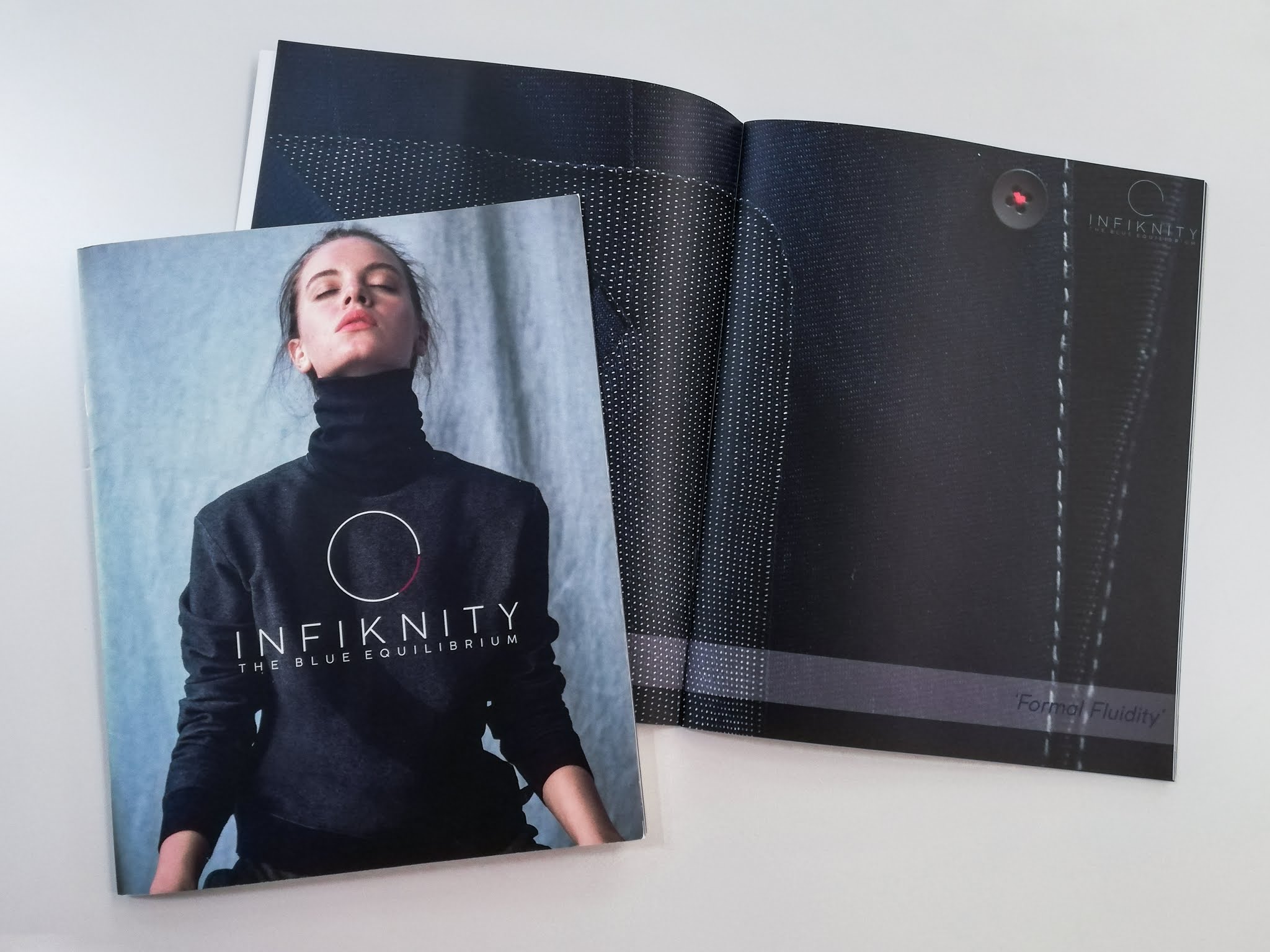
A prediction of what we are now seeing on catwalks was the experience with denim mill Calik Denim in 2013, when the “Impressed Blue” capsule collection predicted these recent trends by presenting the project at Denim Première Vision in Paris.
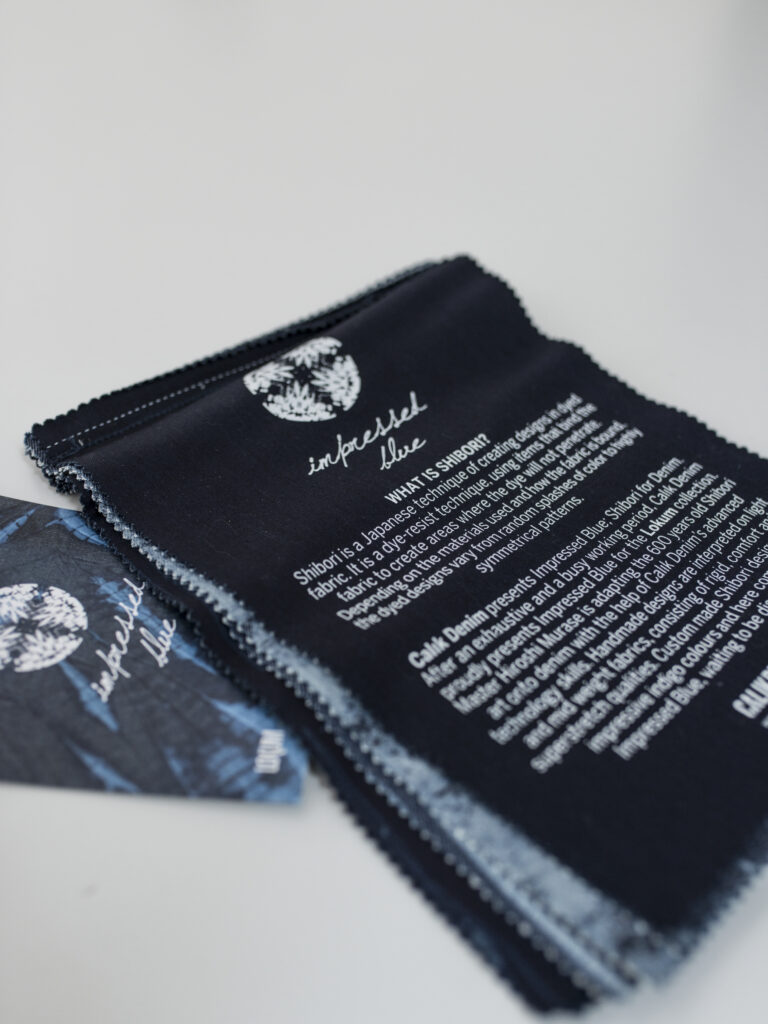
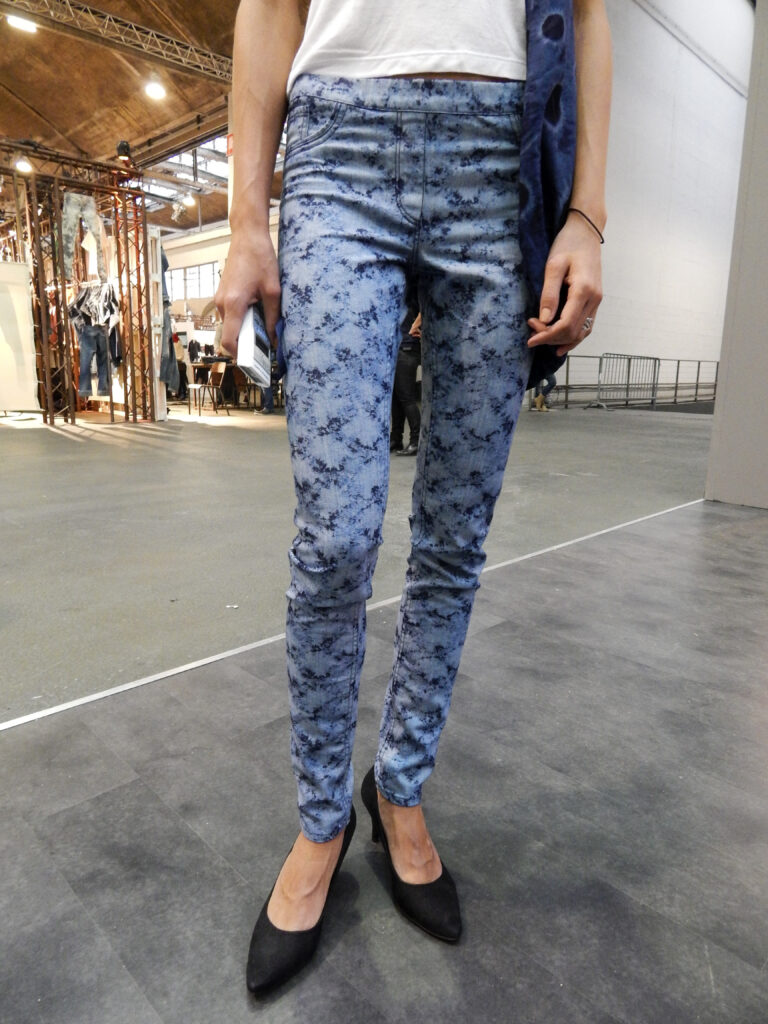
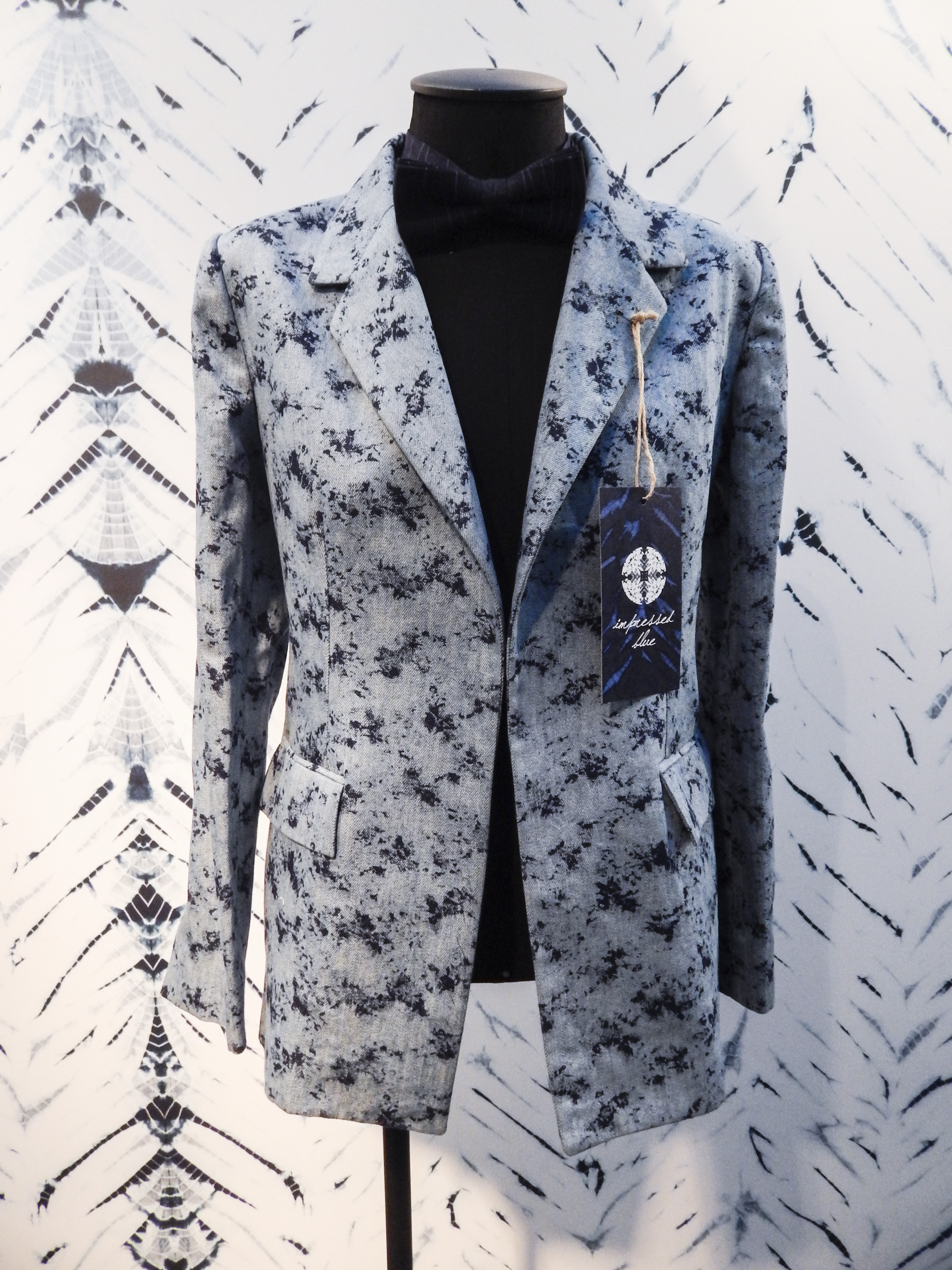
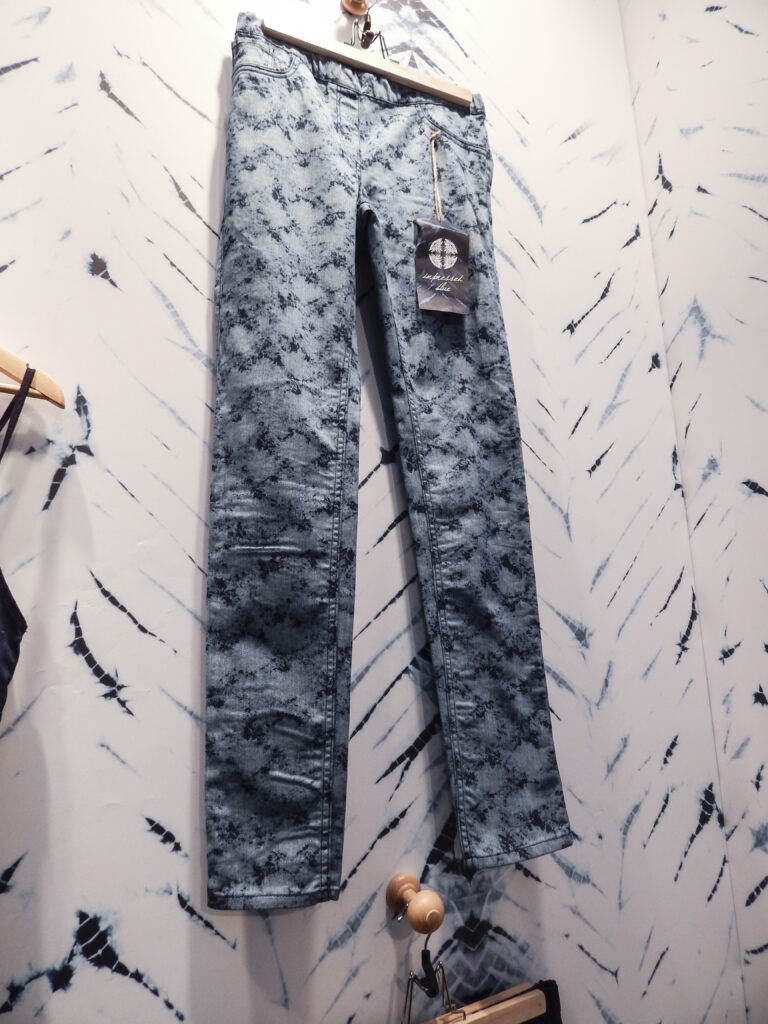
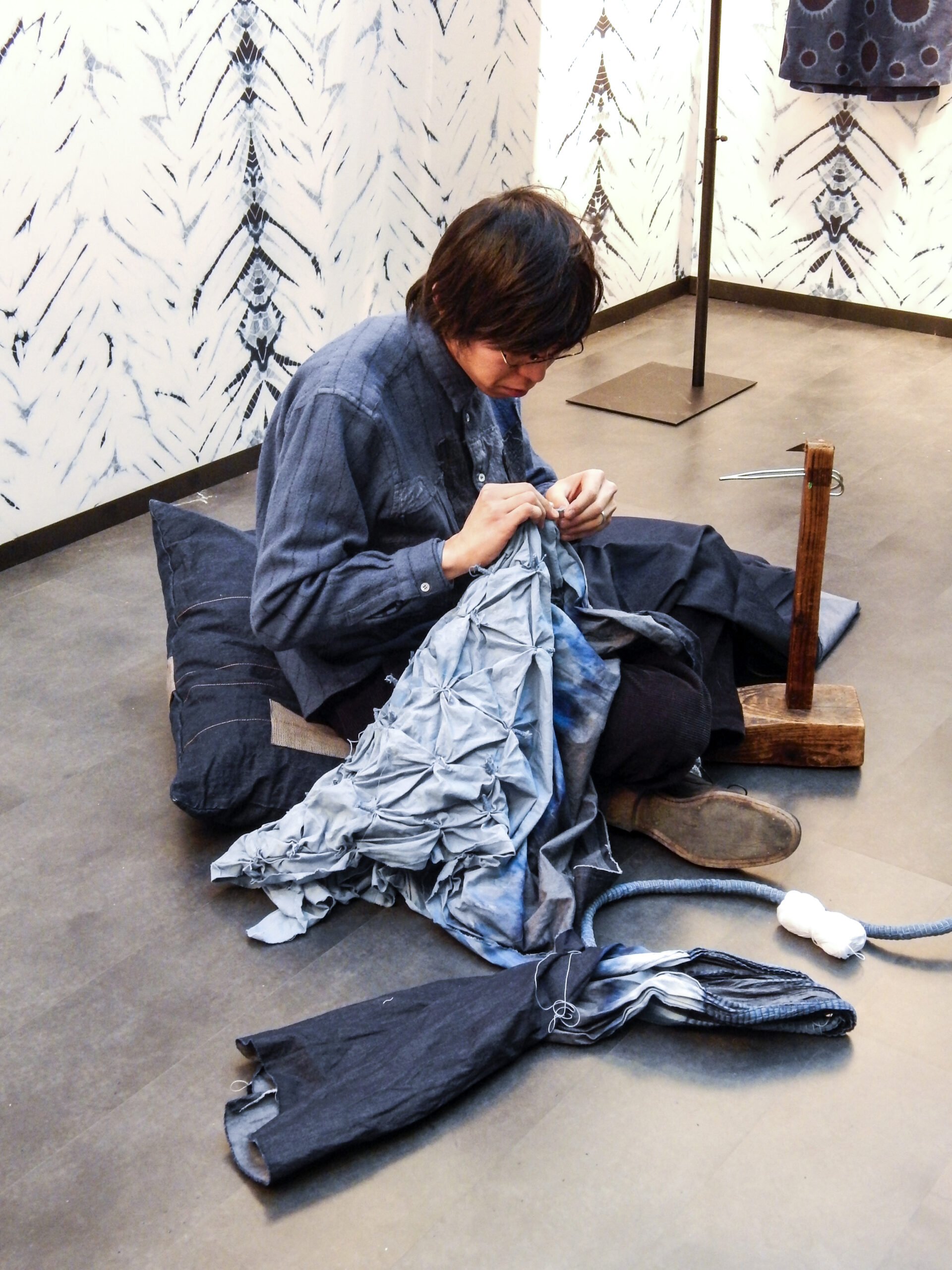
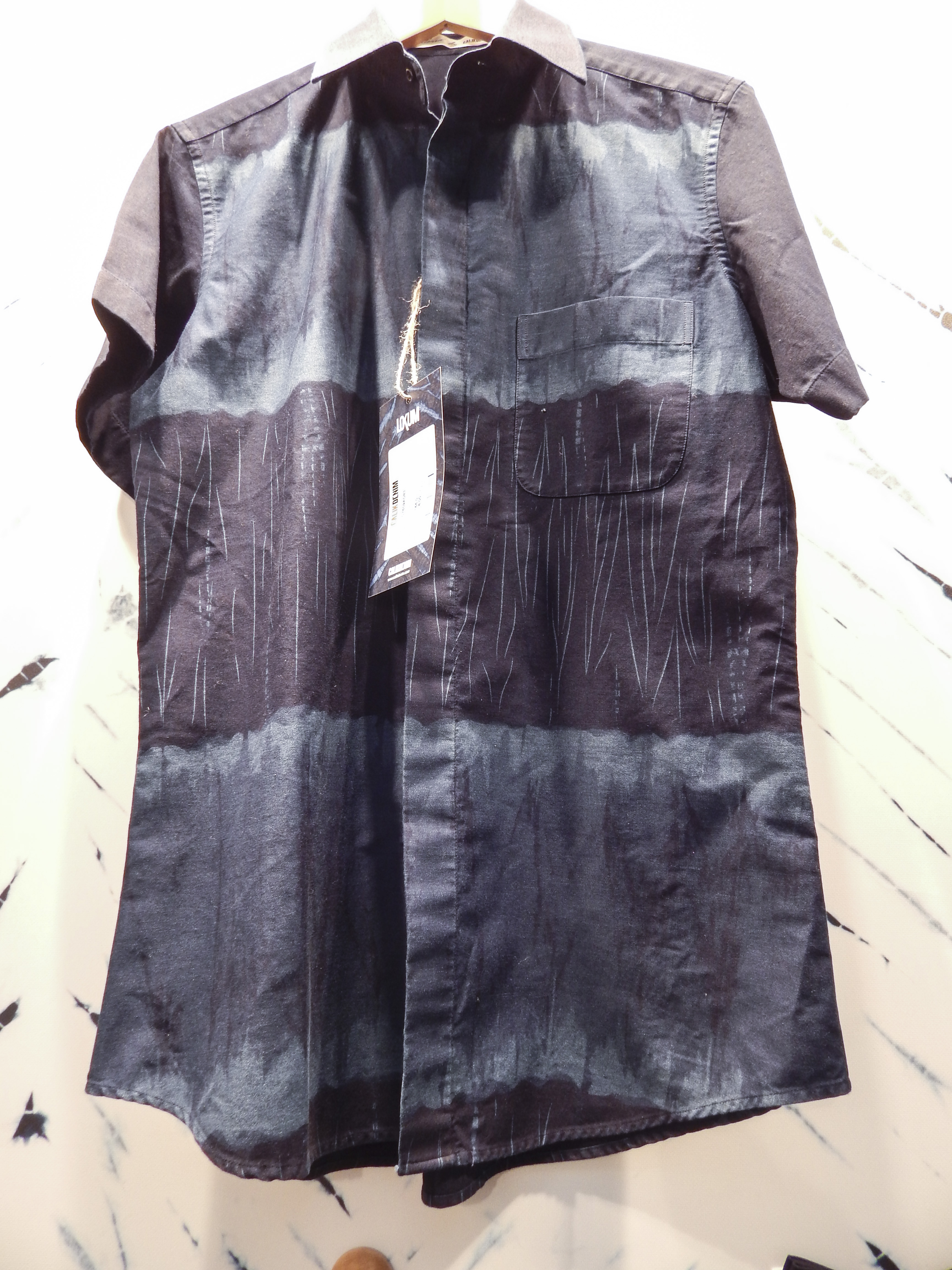
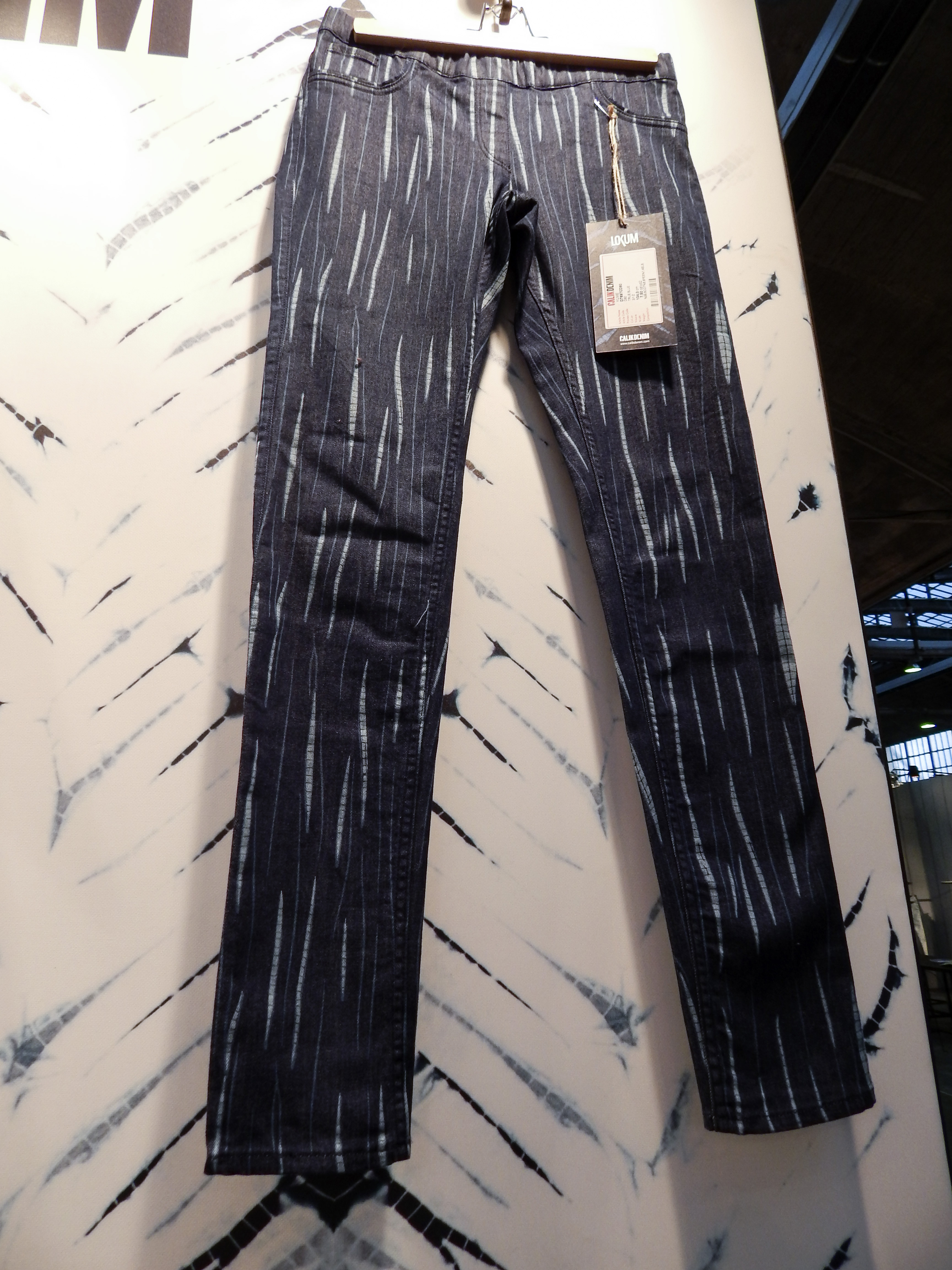
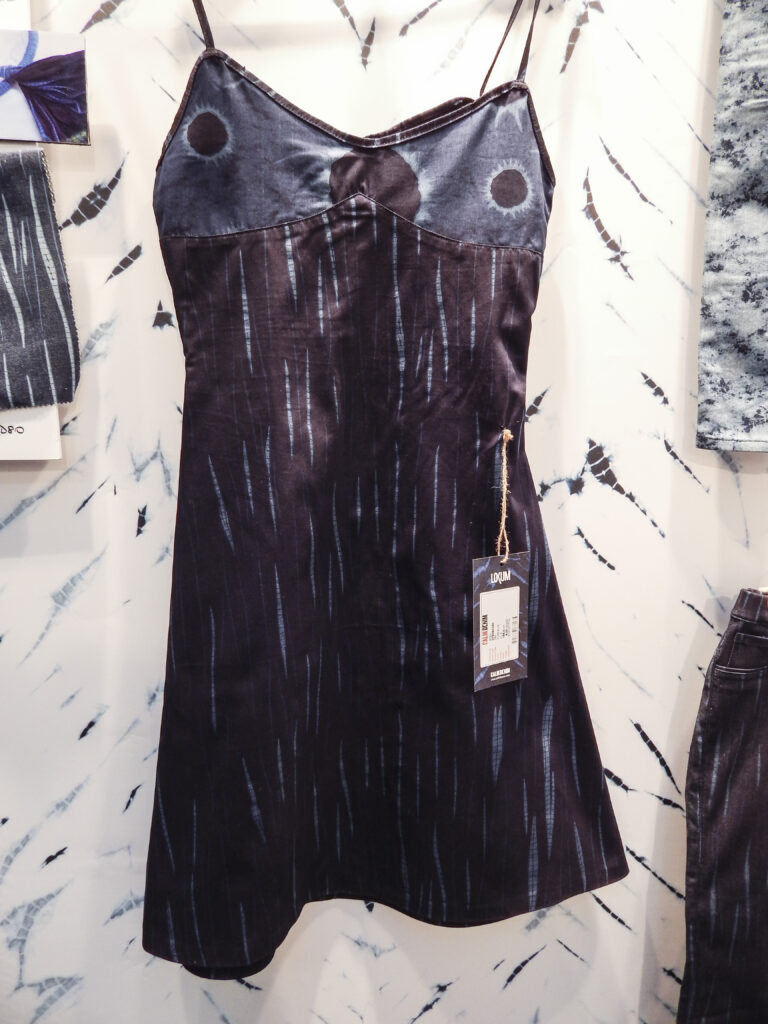
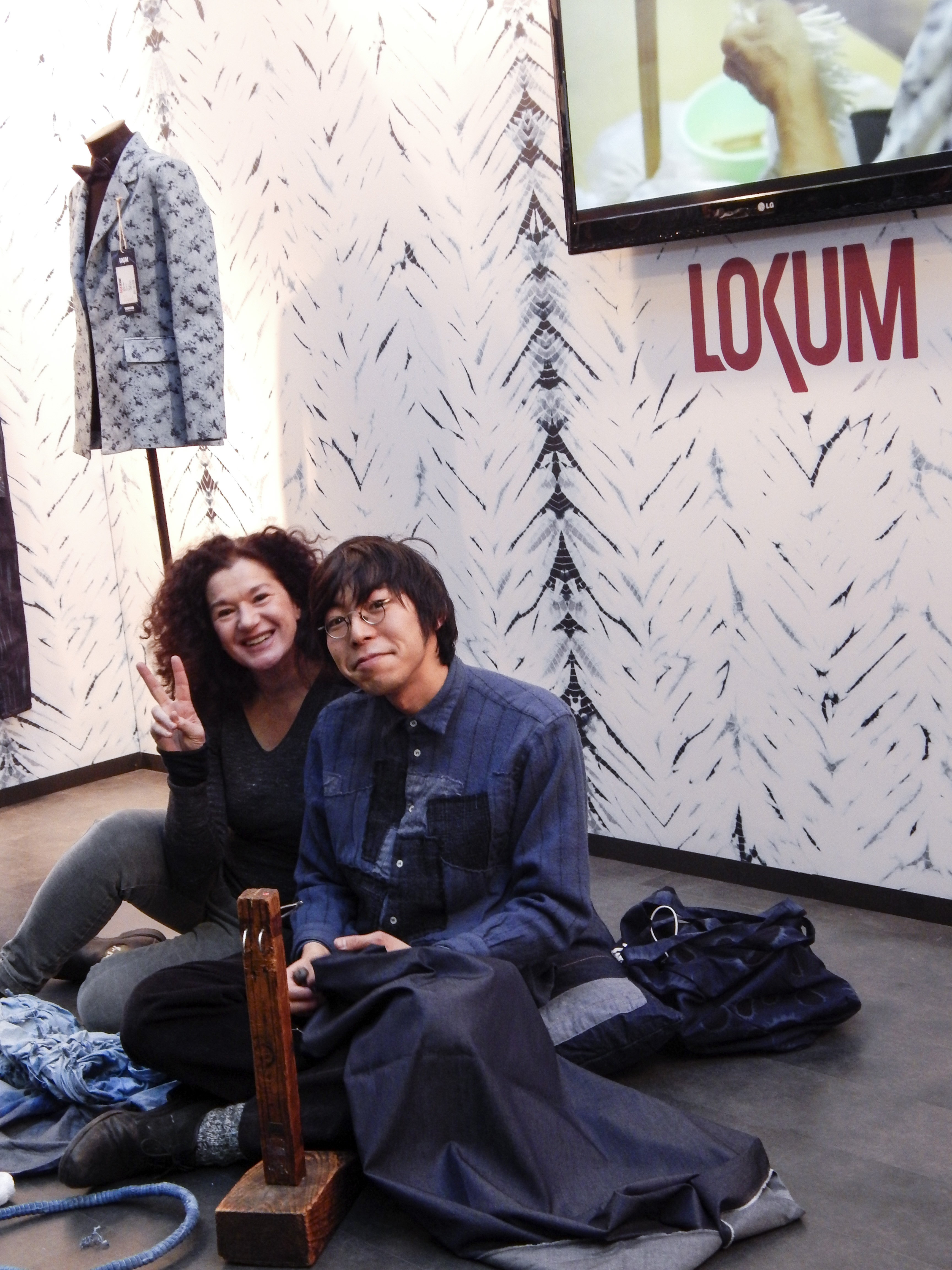
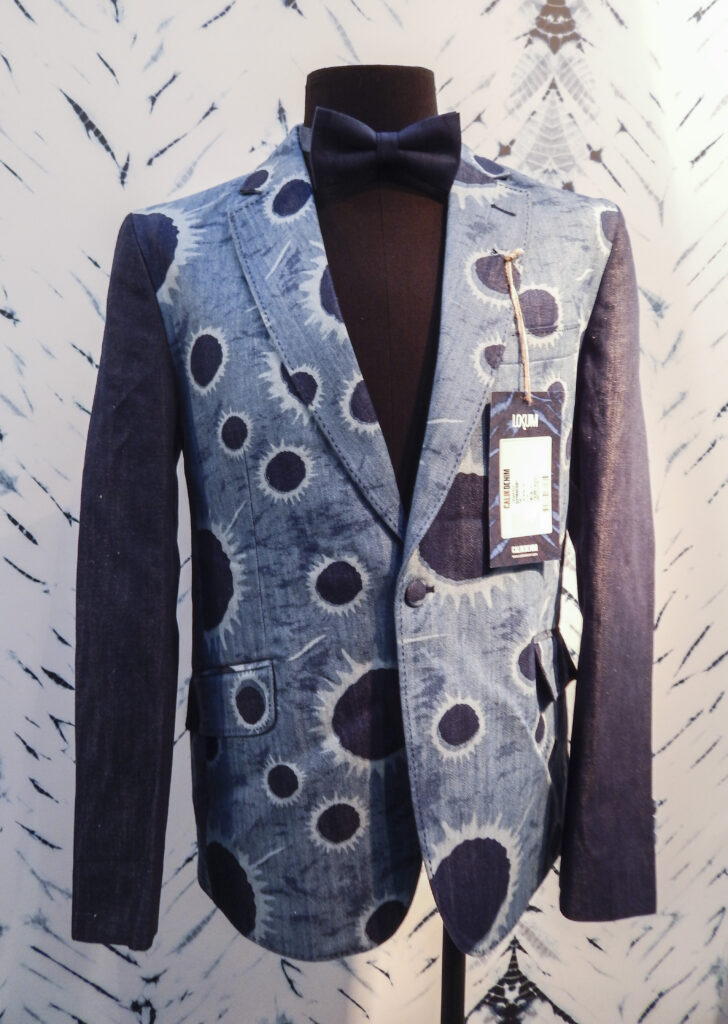
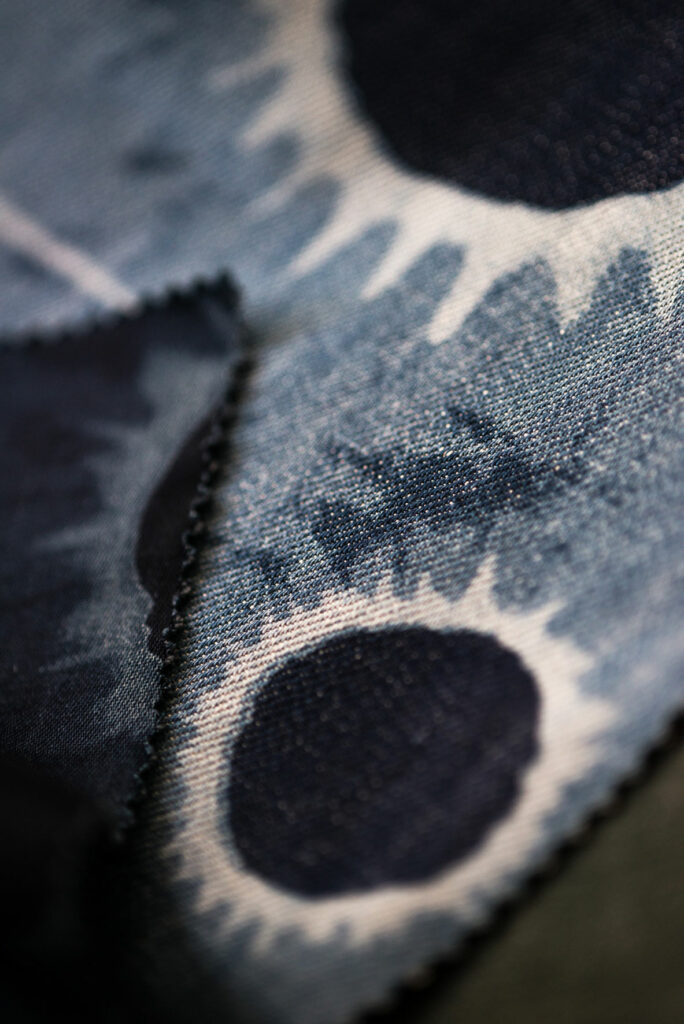
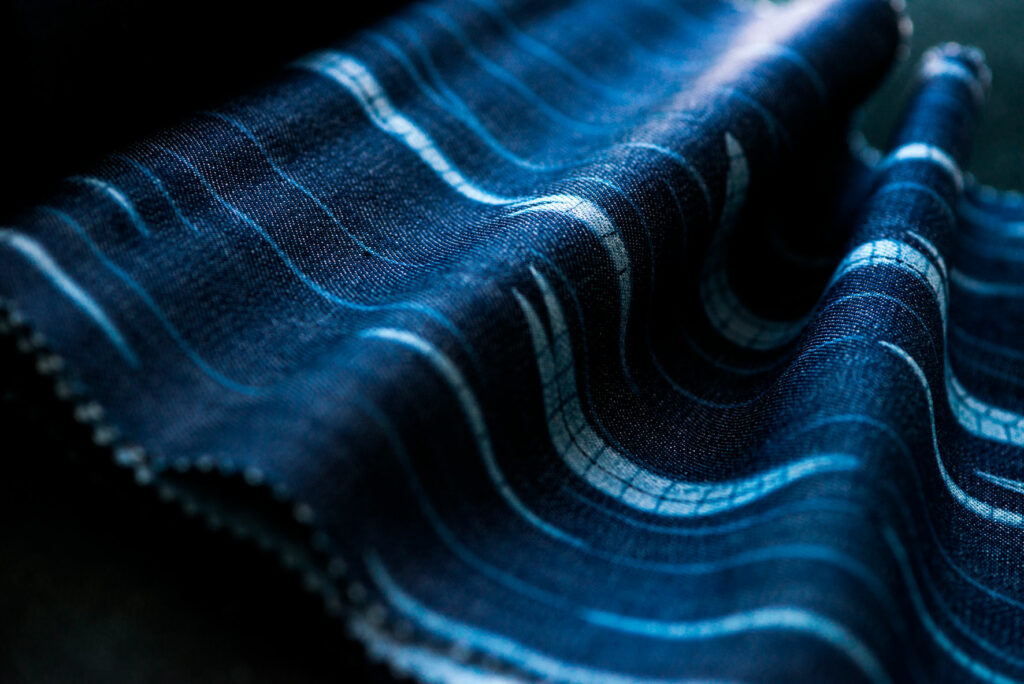
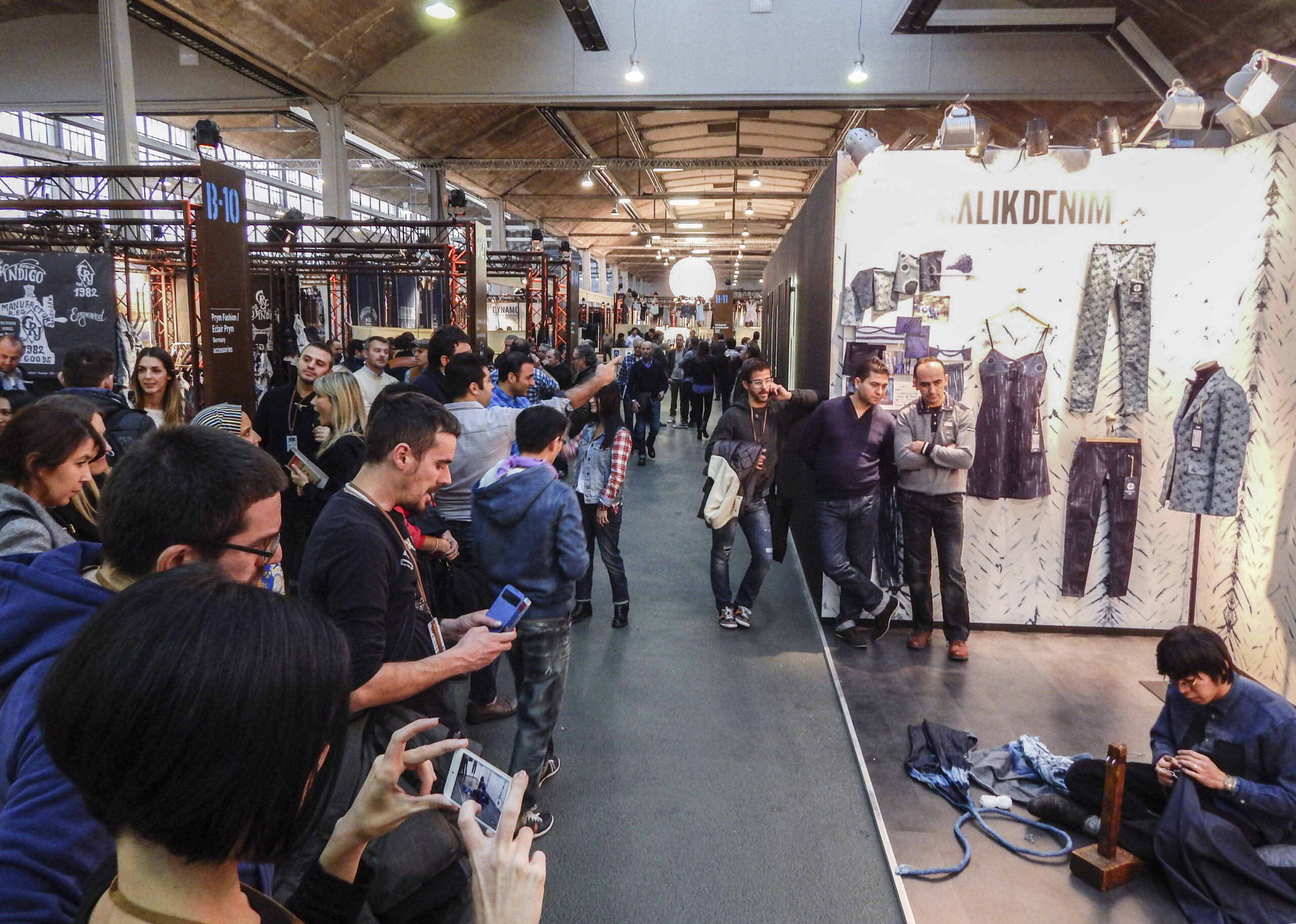
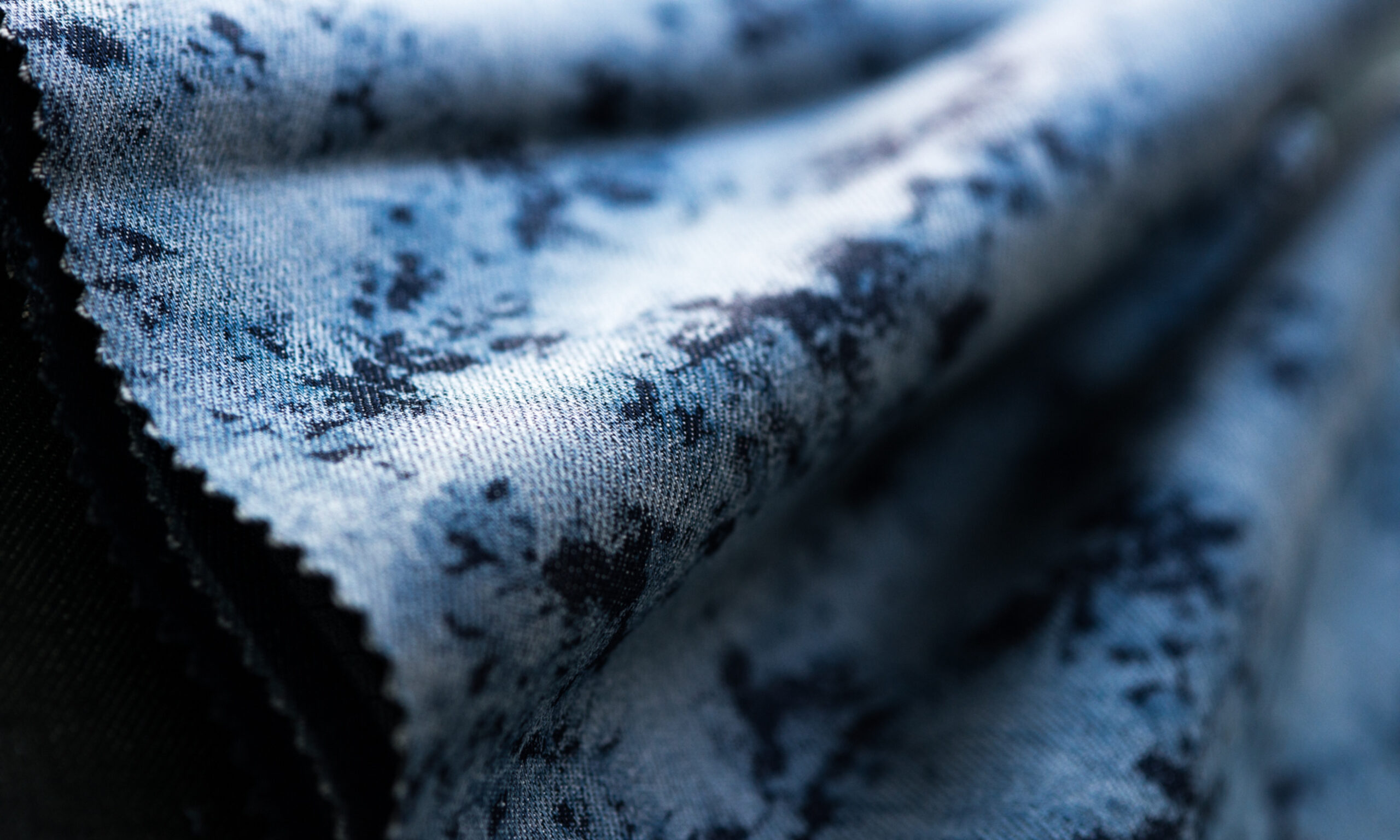
As consultants and far-sighted trend forecasters, we accompanied the company in discovering this 600-year-old technique by collaborating with Shibori Master Hiroshi Murase from Arimatsu, Japan. Through workshop experiences at the Japanese laboratory and the maestro’s coordination, dyeing textures were created that could be replicated using laser technology. Handmade designs were reinterpreted on light and midweight fabrics, maintaining the rigid, comfortable, and superstretch qualities signature of Calik Denim. Custom-made shibori designs met impressive indigo colors and gave birth to Impressed Blue: where artisanship meets industrial application.
THE MOOD BOARD AND CONCEPT
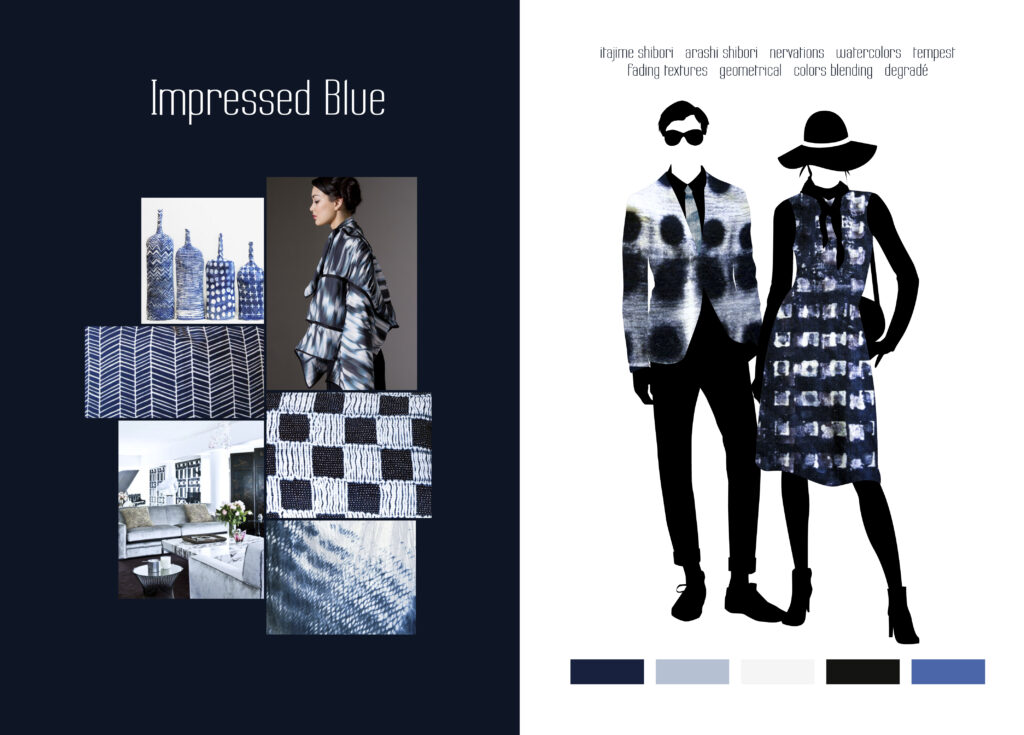
“Impressed” has a double meaning: “affected by” and “stamped”.
The stamp on fabrics is a traditional method where the repetition of a pattern is affected by the imperfection of every manual thing, and thus gave unicity and value to handwork.
Taking inspiration from traditional Japanese Shibori dyeing techniques, we selected peculiar ways where the geometrical forms melts, giving a natural imprecision to the patterns. Natural nervations merge with fingerprints, creating angular lines and dots.
An underwater aspect where different patterns melt together in a geometrical blossom of textures and shades.
Meidea’s point of view
The future of fashion is material, human, and innovative
Craft is not a trend. It is a cultural and strategic shift redefining the way fashion thinks, produces, and communicates. Techniques such as Shibori, Batik, hand-loom weaving, and upcycling respond to today’s need for sustainability, uniqueness, and emotional connection.
At the same time, technology expands their potential.
The future of textiles and of fashion belongs to those who can merge heritage and innovation, where human expertise and digital intelligence co-create the next generation of materials and design.
Comments
[…] Shibori in fashion design: a bridge between heritage and innovation […]
[…] Shibori in fashion design: a bridge between heritage and innovation […]